Spotify Artist Profile Protection is now available to all musicians, giving them greater control over releases appearing under their names. The streaming service announced the expansion Tuesday, November 17, after testing the feature with selected artists for eight months.
The tool addresses problems involving AI-generated impersonations, incorrectly attributed songs and releases uploaded under another musician’s identity. Spotify says these issues have become more pressing as the volume of music submitted to streaming platforms continues to increase.
How Spotify Artist Profile Protection works
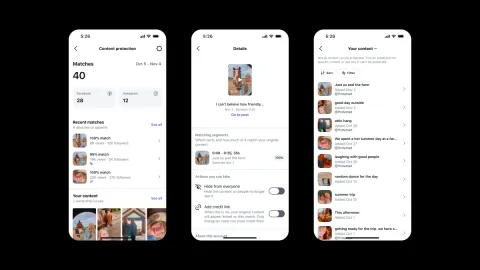
Artists can activate the feature through Spotify for Artists and receive notifications when new music is submitted under their names. If a release belongs to someone else, they can reject the association to prevent it from appearing on their profile.
By default, releases remain scheduled for publication unless the artist intervenes. An optional advanced setting requires musicians to approve or reject each incoming release before it appears on their artist page.
Spotify said thousands of musicians participated in the testing phase, helping the company improve the review process without unnecessarily delaying legitimate releases.
AI-generated music increases impersonation concerns.
The expansion follows growing complaints about AI-generated tracks impersonating established performers. In October, Billboard reported that Sony Music had requested the removal of more than 260,000 deepfake songs from digital platforms, nearly twice the number disclosed in March.
Artist impersonation can mislead listeners, disrupt music discovery, and create disputes over ownership and attribution. Incorrect metadata and shared artist names can also place legitimate recordings on the wrong profiles.
Spotify has already introduced measures addressing AI-generated music, including AI Persona labels and recommendation restrictions for synthetic artist identities.
The new protection feature focuses on attribution rather than determining whether a recording was created using artificial intelligence. It allows musicians to control which releases appear under their names without automatically excluding AI-assisted music.
Spotify says the expanded system is intended to reduce incorrect releases and protect artists’ identities. Its effectiveness will depend partly on how consistently musicians review notifications and manage approval settings.