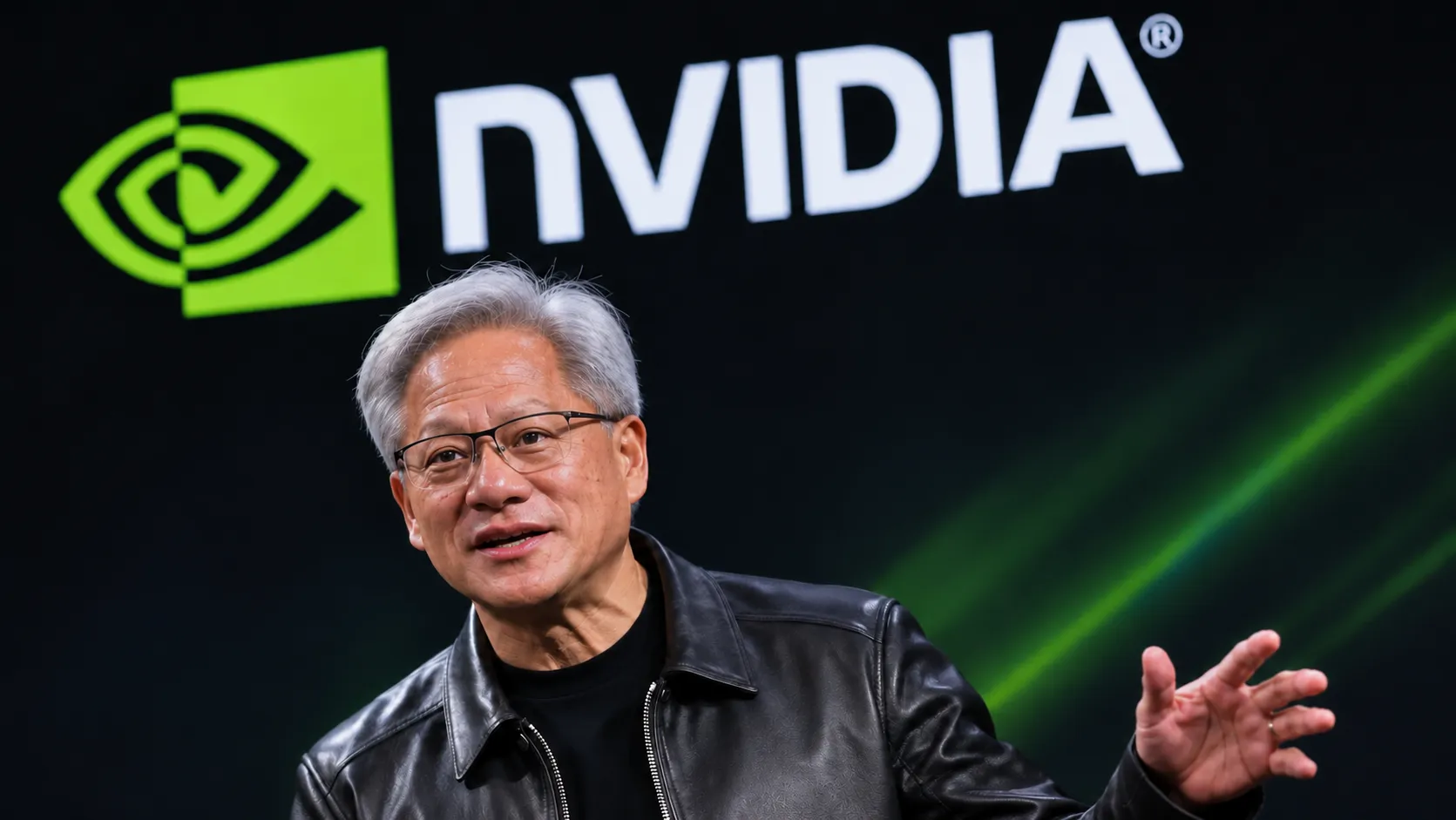
The Nvidia security team is facing questions about executive oversight following Jensen Huang’s resignation on November 12, 2026. The controversy involves reported personal relationships and allegations concerning possible Chinese intelligence activity.
Nvidia’s longtime chief security officer, David Reber, departed in August after disclosing a Parkinson’s diagnosis. His successor, Saša Zdjelar, joined after working at ExxonMobil, Salesforce and ReversingLabs.
No public evidence connects the security leadership transition to Huang’s departure. Nvidia has not disclosed what its security personnel knew about the allegations or whether they raised concerns internally.
The scrutiny extends beyond Nvidia’s leadership changes. It raises a broader security question: how can a company protect sensitive information when potential risks arise through an executive’s personal or business relationships rather than a cyberattack?
What Did Nvidia’s Security Team Know?
The central issue is how Nvidia identified and evaluated potential risks involving senior executives and sensitive business relationships.
The New York Times reported that Nvidia’s legal leadership had communicated with U.S. officials about an investigation involving Megaspeed, a Singapore-based AI infrastructure company.
Megaspeed had faced scrutiny over suspected semiconductor exports to China. Its former executive, Alice Huang, was also linked to allegations involving Jensen Huang. Megaspeed has denied wrongdoing.
Those developments matter because corporate security extends beyond protecting computer networks. Investigations involving business partners can reveal risks related to confidential information, regulatory compliance and executive access.
It remains unclear whether information about those concerns reached Nvidia’s security department. The company’s corporate code of conduct provides an established framework for employee behavior and business ethics. However, internal security procedures have not been publicly detailed.
TechAmerica previously examined corporate governance questions surrounding Nvidia’s investigation, including executive disclosure requirements and board oversight.
Executive Relationships Can Create Intelligence Risks
The distinction between cybersecurity and executive security is important. Firewalls and access controls protect digital systems, but they cannot prevent someone from revealing sensitive information during a private conversation.
Security specialists warn that intelligence collection does not always require hacking or access to classified documents.
Retired intelligence officer Nicholas Eftimiades explained that sensitive information can emerge during ordinary conversations. Discussions about corporate strategy, internal disagreements or government relationships may reveal useful intelligence.
Such risks are difficult to identify because personal relationships rarely fall entirely within a corporate security department’s responsibilities.
In an opinion article published by The Hill, security specialists Don Aviv and Jeremy Hurewitz argued for stronger attention to insider threats and suspicious business relationships.
They emphasized that protecting executives requires more than defending networks and physical facilities.
Nvidia Investigation Has Not Established a Security Failure
These potential vulnerabilities explain why the investigation has raised questions about Nvidia’s internal safeguards. They do not demonstrate that sensitive information was disclosed or that a security failure occurred.
Nvidia’s independent directors launched an investigation after reports connected Huang to a suspected Chinese intelligence operation. The company previously said it had no reason to believe confidential information had been compromised.
TechAmerica also reported on Nvidia’s independent investigation and the unresolved intelligence allegations.
No public findings establish that Huang knowingly assisted foreign intelligence or that Nvidia’s security personnel failed to act on known threats.
The investigation may clarify what information reached the security team, how concerns were escalated and whether existing safeguards were adequate. Nvidia has not announced its final findings.