Plurai AI agent simulation technology is attracting investor interest as businesses look for ways to make autonomous software more reliable. The startup announced Wednesday, Nov. 11, that it had raised $13 million in seed funding led by Team8.
U&I, Velocity and Mercer also participated in the round. Plurai plans to use simulation techniques developed for autonomous driving to improve how AI agents handle complex business tasks.
Plurai AI Agent Simulation Targets Reliability Problems
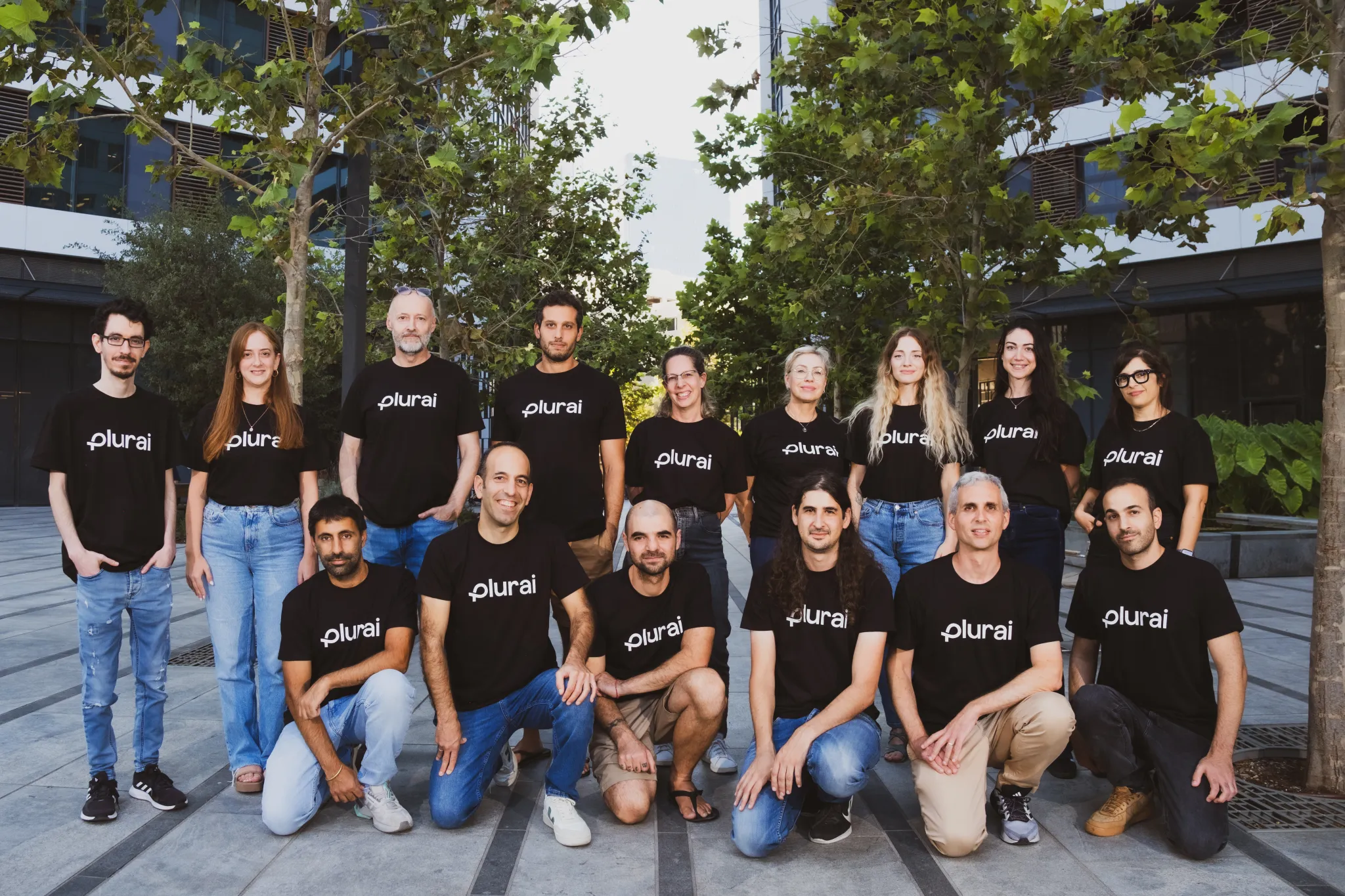
Plurai was founded by Ilan Kadar and Elad Levi, who previously worked at autonomous driving technology company Nexar. Kadar also worked with Waymo on simulating and evaluating self-driving systems.
The founders believe AI agents face challenges similar to those autonomous vehicles encounter. Both must make decisions in environments where unexpected situations can cause failures.
Enterprise agents can struggle with tasks involving multiple databases, lengthy conversations or complicated company policies. An agent might complete a travel booking but overlook spending limits or approval requirements.
Plurai addresses these problems by creating digital twins of a company’s software environment. These simulations reproduce relevant tools, knowledge bases and workflows without requiring agents to experiment directly on production systems.
The platform maps possible actions and tests agents against difficult scenarios. Developers can then identify failures and improve performance before deployment.
TechAmerica previously explained how simulated AI training environments work, including how they test complex business operations.
AI Benchmarks Show Why Testing Matters
Current AI agents still make mistakes when handling unfamiliar enterprise workflows.
The LiveBench 2.0 benchmark measures performance across challenging tasks. Reported results show that even advanced AI models do not complete every assignment successfully.
A separate enterprise agent benchmark developed by Eon researchers tested models using simulated corporate software and databases. The strongest model achieved 76.8% accuracy, while other models performed substantially worse.
These findings illustrate why successful demonstrations do not necessarily translate into dependable business operations.
TechAmerica has also examined AI agent evaluation methods and the limitations of conventional performance benchmarks.
Plurai Uses Smaller AI Models to Reduce Costs
Beyond testing, Plurai aims to train smaller, specialized AI models for individual business tasks.
The system breaks complex workflows into simpler operations and generates synthetic training data. Developers can then adapt open-weight models to specific company requirements.
Plurai says its approach can reduce dependence on expensive general-purpose models. In tests conducted with Nvidia and Nebius, the company reported that a customized Nemotron model outperformed Claude Haiku-5.5 on selected tasks at 44 times lower cost.
The company also reported performance comparable to another frontier model at 40 times the lower cost. These results reflect specific enterprise workloads and do not establish equivalent performance across all applications.
Plurai’s platform works with existing development tools, including Claude Code, Codex, Copilot and Cursor.
The company’s central challenge is demonstrating that improvements achieved through simulation remain effective in real business environments. Its $13 million funding round will support further development of that technology.