Firefly Aerospace has signed an agreement worth more than $1.3 billion to supply rocket engines and propulsion technology to AST SpaceMobile. Announced November 6, 2026, the Firefly Aerospace AST SpaceMobile deal will support development of Blacklift, a reusable heavy-lift rocket designed to launch satellites for a global cellular broadband network.
The agreement covers 36 engines for AST SpaceMobile’s first three Blacklift rockets, along with manufacturing rights and three years of engineering support. AST SpaceMobile is targeting late 2028 for the rocket’s first flight, a schedule that will require substantial development and testing before the vehicle becomes operational.
Firefly Aerospace AST SpaceMobile Deal Covers 36 Engines
Under the agreement announced by Firefly Aerospace, the company will deliver 27 Miranda engines and nine vacuum-optimized Vira engines. AST SpaceMobile will also receive a license to manufacture the engines at a planned U.S. production facility.
The arrangement combines immediate engine deliveries with a longer-term manufacturing strategy. Firefly will retain ownership of its engine intellectual property while allowing AST SpaceMobile to produce the propulsion systems for its own launch vehicles.
AST SpaceMobile will pay more than $1.3 billion through a combination of cash and its Class A common shares. The stock portion is subject to lock-up periods, although Firefly’s announcement did not specify the precise division between cash and equity.
How Miranda and Vira Engines Will Power Blacklift
Miranda is a liquid-propellant rocket engine designed to produce approximately 230,000 pounds of thrust. Its vacuum-optimized counterpart, Vira, is intended for operation at higher altitudes, where engine performance requirements differ from those near Earth’s surface.
Firefly said Miranda has completed more than 175 hot-fire tests, accumulating over 4,200 seconds of operation. The company also reported a flight-like test at 110% of rated performance, with the engine operating for 20 seconds beyond its nominal 206-second flight duration.
Both engines draw on technology developed for Firefly’s earlier Reaver and Lightning propulsion systems. The company uses a tap-off combustion cycle that extracts high-temperature gas from the main combustion chamber to power the engine turbomachinery.
These testing results demonstrate progress in engine development but do not establish the flight readiness of the complete Blacklift rocket. Integration, structural testing, flight qualification and repeated launches will still be necessary to demonstrate reliable operation.
AST SpaceMobile Plans Its Own Reusable Rocket
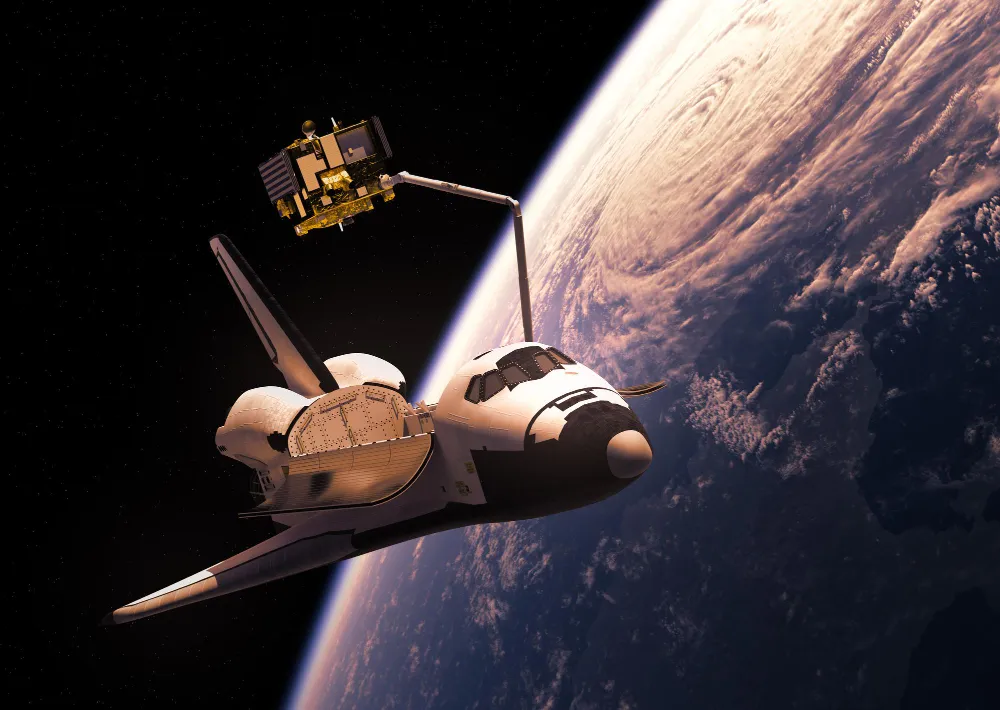
AST SpaceMobile describes Blacklift as a 20-ton-class rocket designed to carry as many as five BlueBird communications satellites per launch. According to the company’s November 6 announcement, the vehicle will be reusable and is expected to begin flying in late 2028.
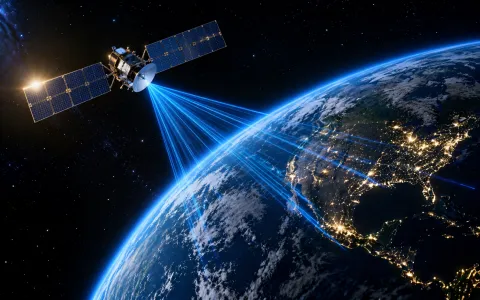
BlueBird satellites are designed to provide cellular broadband connectivity directly to compatible everyday smartphones. Unlike conventional satellite internet systems that typically require dedicated terminals, AST SpaceMobile is developing a network intended to connect through existing cellular devices and mobile network partnerships.
Building its own rocket could give AST SpaceMobile greater control over launch frequency, spacecraft integration and deployment schedules. However, the company has not demonstrated Blacklift’s operational capabilities or established a record of reusable launches.
Why Independent Launch Capacity Matters
AST SpaceMobile currently depends on commercial launch providers to transport its satellites into low Earth orbit. The company says its existing agreements cover more than 100 BlueBird satellites expected to be deployed cumulatively during 2027 and 2028.
That dependence carries scheduling and mission risks. In April 2026, a Blue Origin New Glenn mission failed to deliver an AST SpaceMobile satellite to its intended orbit after an upper-stage propulsion problem. The Federal Aviation Administration subsequently investigated the incident and cleared New Glenn to resume flights in May.
The incident illustrated how a launch vehicle failure can affect a satellite operator’s deployment plans even when the spacecraft itself is insured. Blacklift could eventually provide another route to orbit, but developing an independent launch system introduces substantial technical and financial risks.
AST SpaceMobile does not intend to abandon outside launch providers. Instead, Blacklift is expected to complement those services as the company expands its satellite constellation.
What the $1.3 Billion Agreement Means for Firefly
For Firefly Aerospace, the contract provides additional financing and a major commercial application for its propulsion technology. The company plans to expand hiring, purchase long-lead components and strengthen its manufacturing and testing infrastructure in Texas.
Firefly also intends to build additional engine test bays at its Rocket Ranch facility in Briggs. These investments could support higher production volumes across its existing launch programs while helping the company meet AST SpaceMobile’s requirements.
The agreement does not transfer Firefly’s underlying intellectual property ownership. That distinction allows Firefly to continue developing engines and serving other commercial and government customers.
Blacklift Faces an Ambitious 2028 Launch Target
AST SpaceMobile’s planned first flight in late 2028 leaves a relatively short development period for a new heavy-lift vehicle. Engine qualification is only one part of the challenge. The company must also develop the rocket’s structures, flight controls, ground systems and launch operations.
Reusability adds further complexity because recoverable hardware must withstand flight, reentry and landing conditions. AST SpaceMobile has described Blacklift’s intended capabilities, but those objectives remain unproven until the vehicle completes relevant testing and flight demonstrations.
Firefly plans to discuss the agreement during its third-quarter earnings call on November 10, 2026. Additional disclosures could clarify the expected delivery schedule and the contract’s financial contribution.
The partnership gives AST SpaceMobile access to an established propulsion development program while providing Firefly with capital to expand production. Its longer-term significance will depend on whether Blacklift can reach orbit reliably and offer the launch flexibility AST SpaceMobile is seeking.