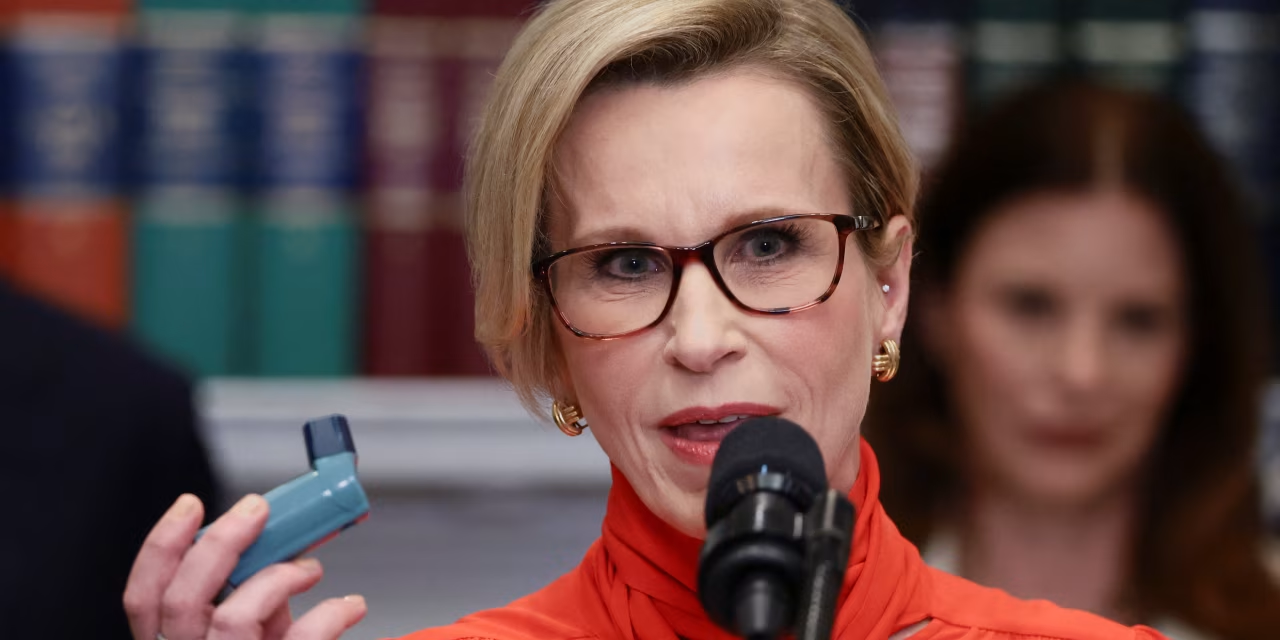
HP names Emma Walmsley CEO as the computer and printer maker prepares for a leadership transition amid rising component costs and pressure on PC sales. The company announced Wednesday, November 4, that the former GSK chief executive will take over on January 4, 2027. Her appointment comes as HP seeks new growth opportunities in artificial intelligence-powered devices.
Walmsley will succeed Bruce Broussard, who has served as interim CEO since February 2026. Broussard will become chair of HP’s board, replacing Chip Bergh. HP confirmed the changes in an official announcement following a global executive search.
Why HP Chose Emma Walmsley as Its Next CEO
Walmsley brings extensive experience managing large international businesses, although she has never led a computer hardware manufacturer. She served as GSK’s chief executive from April 2017 through December 2025. Before entering the pharmaceutical industry, she spent 17 years at cosmetics company L’Oréal.
At GSK, Walmsley oversaw a major restructuring that included separating its consumer healthcare business, now known as Haleon. She also redirected the pharmaceutical company’s focus toward specialty medicines and vaccines. Her background in corporate transformation appears particularly relevant as HP evaluates its next stage of growth.
Walsely also has technology industry exposure through Microsoft’s board, where she has served for seven years. That experience provides familiarity with enterprise software, cloud computing and artificial intelligence. However, leading HP will require managing hardware supply chains and manufacturing economics.
HP’s board emphasized her experience guiding organizations through major changes. The company said its search focused on finding a leader who can strengthen execution and identify new business opportunities.
HP Faces Rising Memory Costs and Falling PC Shipments
Walmsley inherits a business facing significant pressure from higher memory prices and changing computer demand. The expansion of AI data centers has increased competition for memory production capacity. This has contributed to shortages and higher costs across the broader electronics industry.
HP’s financial results illustrate the challenge. According to its fiscal third-quarter earnings report, Personal Systems revenue rose 18% year over year to approximately $11.8 billion. However, total PC unit shipments declined 16% during the same period.
The figures reflect a shift toward more expensive computers rather than stronger unit sales. Commercial Personal Systems revenue increased 22%, while consumer revenue rose 10%. HP also reported a Personal Systems operating margin of 4.6%, down from 5.4% a year earlier.
Higher component expenses remain a concern despite the revenue increase. HP has used pricing adjustments and a greater emphasis on premium devices to offset some of those costs. Sustaining profitability could become more difficult if customers delay purchases or resist higher prices.
AI PCs Could Become a Key Priority
Artificial intelligence represents another important opportunity for HP’s incoming chief executive. Computer manufacturers are introducing devices with dedicated processors that can run certain AI workloads locally. These systems can reduce reliance on remote cloud servers for supported tasks.
Local processing may provide advantages in responsiveness, privacy and network efficiency. However, those benefits depend on software compatibility and individual device capabilities. Customers also need practical applications that justify upgrading existing hardware.
HP has already expanded its portfolio of AI-enabled computers and enterprise technology services. Its strategy increasingly emphasizes computing at the network edge, where information can be processed closer to users. Walmsley will need to determine how these investments translate into sustainable revenue and customer demand.
The challenge extends beyond launching new laptops. Corporate buyers must weigh device costs, security requirements, software support and potential productivity improvements. A stronger AI feature set alone may not persuade businesses to replace working computers earlier than planned.
Printing Business Remains Important to HP’s Profits
HP’s future strategy must also account for its established printing business. The division generated about $3.9 billion in revenue in the fiscal third quarter, a 2% annual decline. Despite weaker sales, its operating margin reached 18.1%, substantially higher than the Personal Systems division’s margin.
That difference illustrates the importance of balancing growth investments with dependable earnings. HP sells consumer and commercial printers alongside supplies, managed printing services and related subscriptions. The company has not announced a major restructuring of its printing operations as part of Walmsley’s appointment.
Walmsley’s experience restructuring GSK may attract attention from investors evaluating HP’s business portfolio. However, her previous corporate decisions do not establish what changes she will pursue at HP. Any future strategic adjustments will require separate announcements and supporting evidence.
What the Leadership Change Means for HP
HP has indicated that industry-wide PC shipments could decline by a mid-single-digit percentage during fiscal 2027. The company has also withheld its own financial outlook for that year, reflecting uncertainty surrounding market conditions. These expectations create a demanding environment for the incoming leadership team.
The immediate priority will be protecting profitability while maintaining competitive products and reliable component supplies. Longer-term opportunities include AI-enabled devices, enterprise services and stronger relationships with commercial customers. Each requires investment at a time when hardware costs remain elevated. Broussard’ss move to board chair provides continuity following the executive transition. Walmsley will assume responsibility for operational decisions when her appointment becomes effective in January. Her first strategic announcements and subsequent earnings reports should provide clearer evidence of how she intends to balance growth and profitability.
HP’s selection of an executive from outside the hardware industry marks a notable leadership decision. Walmsley’s record in corporate restructuring is relevant, but success will depend on execution in a different market. For HP, the central challenge is turning its existing technology investments into durable earnings while navigating a difficult PC industry cycle.