The Google Pixel 11 Pro Fold is a more refined version of the company’s flagship foldable, but its improvements may not justify the $1,899 price. The updated phone features a lighter design, brighter displays, stronger construction, and an upgraded main camera. It also supports faster wireless charging and Google’s latest AI features.
These changes make the device more capable than its predecessor without dramatically changing the experience. Independent reviews highlight its reliable cameras and polished software, but the visible screen crease and inconsistent app optimization remain concerns.
Pixel 11 Pro Fold Design Prioritizes Durability
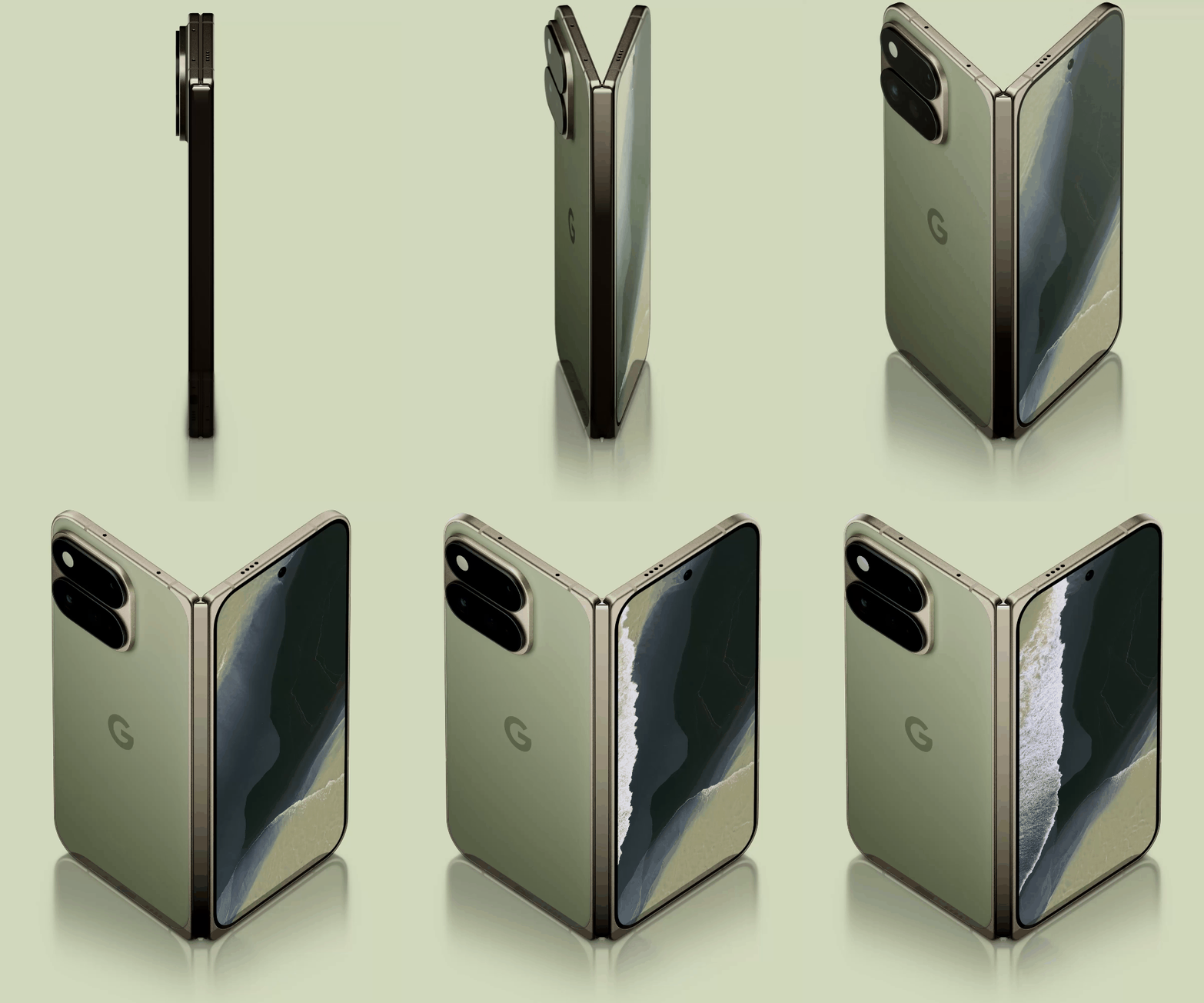
Google has reduced the phone’s weight to 239 grams, making it 19 grams lighter than the previous generation. The device measures 10.1 mm thick when folded and just 5 mm when unfolded.
The difference is modest, but the reduced weight may improve everyday comfort. Google also offers a new Olive finish alongside the familiar Obsidian color.
According to Google’s official announcement, the redesigned construction includes a glass-fiber composite back panel, ceramic cover glass, and a gearless hinge. The company claims the new design is three times more durable than its predecessor.
Google’s internal testing supports that durability improvement. It should not be interpreted as a guarantee against drops, cracks, or other accidental damage.
The phone retains IP68 water and dust resistance, offering additional protection against everyday exposure. However, its relatively firm hinge can make one-handed opening difficult.
Brighter Displays Cannot Hide the Crease.
Google has equipped the device with a 6.5-inch exterior OLED display and an 8-inch folding screen. Both support adaptive refresh rates of up to 120Hz.
The displays now reach a claimed peak brightness of 3,600 nits, compared with 3,000 nits on the previous model. This improvement should make outdoor viewing easier, particularly in direct sunlight.
Despite the brighter panels, the inner display’s crease remains noticeable. Reflections can make it especially visible when viewing darker content.
In its independent assessment, Android Authority praised the refined construction but criticized the visible crease. The publication also questioned whether the large screen provides enough practical value to justify the premium price.
The folding display remains useful for reading, watching videos, and reviewing documents. However, competing devices have made progress in reducing visible creases and improving screen proportions.
Software Feels Polished, but Multitasking Has Limits
Google’s Tensor G6 processor powers the device, supported by 16GB of RAM. The phone runs Android with Gemini-powered features designed to assist with everyday tasks.
The larger screen supports split-screen multitasking, allowing users to open two applications side by side. Google has also improved floating app bubbles, which provide quick access to additional applications without replacing the primary workspace.
Some applications take advantage of the larger display particularly well. Gmail, for example, can present an inbox beside an open message. Other apps still offer limited optimization for foldable screens.
Google’s AI features include Magic Cue and Rambler, which provide contextual suggestions and improved voice-based text input. These tools can simplify messaging and note-taking without requiring extensive manual interaction.
In a separate review by 9to5Google, the software experience received praise for its simplicity. However, the publication also found that certain demanding tasks and games exposed performance limitations.
TechAmerica.ai previously examined Google’s broader Pixel 11 lineup, including Tensor G6, camera improvements, and expanded AI capabilities.
Camera Improvements Are Useful but Not Class-Leading
The Pixel 11 Pro Fold features an upgraded 48-megapixel main camera with a larger sensor. Google says the new hardware captures more light and improves image detail.
The rear camera system also includes a 10.5-megapixel ultrawide lens and a 10.8-megapixel telephoto camera with 5x optical zoom.
According to Google’s technical specifications, the camera system supports up to 30x Super Zoom. That increases the available zoom range compared with the previous generation.
The company has also introduced Camera Looks, which applies different photographic styles. Magic Capture helps users select better moments from recorded video.
Independent assessments generally describe the main camera as reliable, although opinions differ on its competitiveness. The ultrawide and telephoto cameras offer fewer improvements than the primary sensor.
Google’s conventional Pixel 11 Pro models also have more advanced camera hardware. Buyers who prioritize photography over screen size may find those phones more appealing.
Battery Life and Wireless Charging
The foldable includes a 4,806mAh battery, with Google advertising more than 24 hours of typical use. Actual endurance depends on screen brightness, connectivity, and application activity.
Independent testing suggests the battery can last through a normal day, although heavy use may require additional charging. The large interior display can place greater demands on the battery.
Charging has improved through PixelSnap wireless technology. The phone supports Qi2.2 wireless charging at up to 25W, making compatible magnetic accessories more convenient.
Wired charging can replenish the battery to approximately 50% in 30 minutes under Google’s specified conditions. However, charging speeds remain less competitive than those offered by some rival smartphones.
Pricing and Competition
At $1,899, Google’s foldable competes directly with Samsung’s Galaxy Z Fold 8. Both devices target customers who want smartphone portability combined with a larger working display.
Google’s strengths include its clean Android interface, AI integration, and dependable main camera. However, Samsung offers a different approach to display proportions and multitasking.
The premium foldable market has become increasingly competitive. Manufacturers are introducing thinner designs, wider screens, and improved hinge technology, making incremental updates harder to justify.
TechAmerica.ai previously published a detailed assessment of Google’s foldable, examining its performance, software support, and position against competing devices.
Final Verdict
The Pixel 11 Pro Fold is Google’s most refined foldable to date. Its stronger construction, brighter displays, improved camera, and faster wireless charging are meaningful improvements.
However, the visible crease, uneven app optimization, and limited camera upgrades reduce its appeal. The $1,899 price also places it against increasingly capable alternatives.
The device makes the most sense for existing Pixel users who want a larger screen without leaving Google’s software ecosystem. Buyers focused on photography, battery endurance, or overall value may be better served by a conventional flagship smartphone.
Google has produced a polished foldable, but its careful improvements are unlikely to redefine the category. The biggest challenge is convincing new buyers that its familiar design offers enough value in a rapidly changing market.