Sony’s new PlayStation Pulse wireless headset brings planar magnetic audio to a $99.99 gaming accessory, making the technology more affordable for PS5 owners. Scheduled for release on November 19, 2026, the headset supports simultaneous PlayStation Link and Bluetooth connections, letting players hear game audio and smartphone content at the same time.
The headset uses custom planar magnetic drivers designed to reproduce detailed sound with controlled bass and clear directional effects. Its lightweight frame, rotating earcups, and adjustable headband emphasize comfort, while simplified controls omit several features found on more expensive gaming headsets.
Early hands-on impressions suggest that the Pulse delivers balanced audio and a comfortable fit. However, it lacks active noise cancellation, a detachable microphone and the dedicated game-to-chat balance controls available on premium alternatives.
PlayStation Pulse Wireless Headset Uses Planar Magnetic Drivers
The PlayStation Pulse wireless headset features custom planar magnetic drivers with four magnets per driver. Unlike conventional dynamic speakers, planar drivers use a thin diaphragm to reproduce sound, helping deliver precise audio across different frequencies.
Sony says the drivers provide improved bass reproduction while maintaining clarity and separation. The headset also supports Tempest 3D AudioTech on PS5, allowing compatible games to produce directional audio cues such as footsteps, environmental sounds and distant effects.
In its official PlayStation announcement, Sony confirmed that the Pulse introduces larger planar drivers than its earlier Pulse Elite headset.
The headset also offers equalizer adjustments through the PS5 interface, letting users modify the sound profile to suit their preferences.
PlayStation Link and Bluetooth Work Simultaneously
One of the Pulse’s strongest features is its dual wireless connectivity. PlayStation Link provides low-latency, lossless audio through a compatible PlayStation device or the included USB-C adapter.
Bluetooth operates alongside that connection, letting users listen to music, answer calls, or hear smartphone notifications without interrupting game audio.
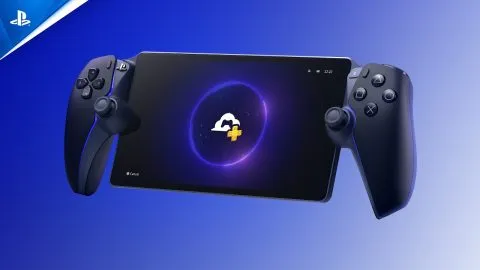
The adapter supports compatible devices including PS5 consoles, Windows PCs and Macs. PlayStation Portal users can connect directly through PlayStation Link without attaching an additional adapter.
TechAmerica previously examined PlayStation Portal hardware developments, including improvements to Sony’s handheld streaming ecosystem.
The headset includes a dedicated Bluetooth button for pairing and controlling playback. Its integrated volume rocker primarily adjusts PlayStation Link audio when both wireless connections are active.
Lightweight Design and Built-In Microphone
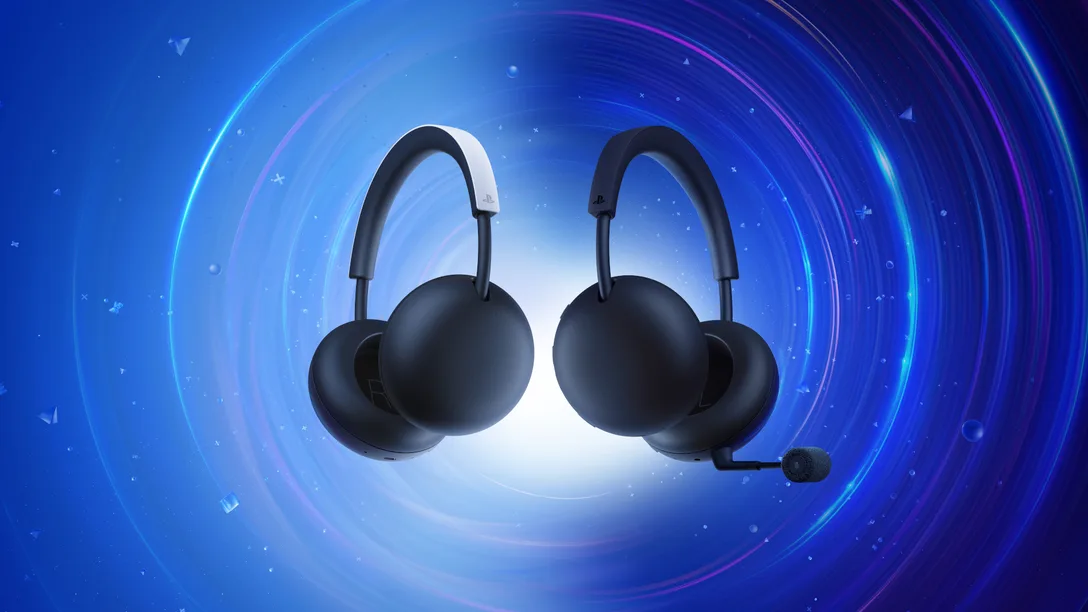
Sony has adopted a relatively simple design with a padded adjustable headband and earcups that rotate flat for easier storage. The headphones are available in White and Midnight Black.
The rotating earcups also allow users to rest the headset around their neck between gaming sessions. The design prioritizes portability without adding bulk or elaborate controls.
For voice communication, Sony includes an integrated microphone with AI-enhanced noise rejection. The system is designed to reduce background sounds during multiplayer gaming and voice calls.
Unlike traditional gaming headsets with boom microphones, the standard Pulse lacks a detachable mic. Its built-in microphone offers convenience, but users cannot position it directly in front of their mouths.
The headset also omits active noise cancellation, so outside sounds are reduced mainly by the physical seal of the earcups.
PlayStation Pulse vs. Pulse Edge
Sony is also preparing the more expensive Pulse Edge wireless headset for release in early 2027. The premium model adds several features the standard version lacks.
Pulse Edge uses eight magnets per planar driver, compared with four in the regular Pulse. Sony says the additional magnets allow stronger bass reproduction while retaining detailed audio.
The Edge also includes active noise cancellation, a detachable boom microphone, dedicated game-to-chat balance controls, a 3.5mm audio connection and a carrying case.
Both models support PlayStation Link, simultaneous Bluetooth connectivity and AI-enhanced microphone noise rejection.
These differences make the regular Pulse better suited for users who prioritize sound quality and wireless flexibility over extra controls and accessories.
PlayStation Pulse Price and Release Date
The PlayStation Pulse wireless headset launches November 19, 2026, for $99.99 in the United States. Sony has also announced prices of £89.99 in the United Kingdom, €99.99 in Europe and ¥15,980 in Japan.
Preorders opened October 29 through participating retailers and PlayStation’s direct sales channels. The initial release covers the United States, Canada, Japan, Australia, New Zealand and several European markets.
Sony has not announced release dates for additional regions. The company provides further compatibility information through its official Pulse headset product page.
Verdict: Premium Audio Features at a Lower Price
The PlayStation Pulse wireless headset offers an appealing combination of planar magnetic sound, simultaneous wireless connections and comfortable construction for $99.99.
Its main compromises are the absence of active noise cancellation, a detachable boom microphone and dedicated game-to-chat controls. Buyers seeking those features will need to consider more expensive alternatives.
For PS5 and PlayStation Portal owners who mainly want detailed game audio and convenient Bluetooth connectivity, the standard Pulse provides much of Sony’s premium audio technology at a considerably lower price.