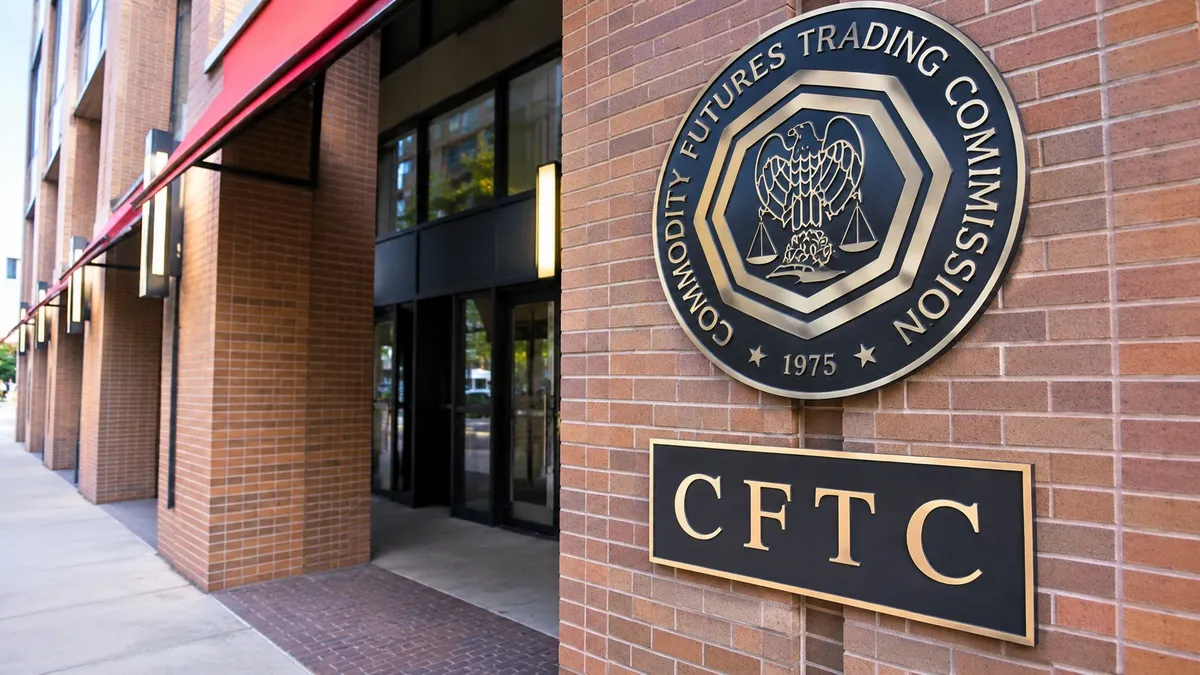
Single-stock perpetual futures can begin trading on eligible U.S. exchanges following a regulatory decision announced Tuesday, November 3, by the Commodity Futures Trading Commission (CFTC). The move allows derivatives tied to individual company shares to enter a market previously dominated by cryptocurrency-linked perpetual contracts. It also brings these products under the combined oversight of two major federal financial regulators.
CFTC Chairman Michael S. Selig confirmed the development in an official statement, saying the contracts were approved under existing regulations. Trading is permitted on designated contract markets that also hold the required Securities and Exchange Commission (SEC) registration. The announcement establishes a regulatory pathway, though specific launch schedules and available stocks still depend on participating exchanges.
How Single-Stock Perpetual Futures Work
Perpetual futures are derivatives that allow traders to gain exposure to an asset’s price without directly owning it. Unlike conventional futures contracts, they have no fixed expiration date. Traders can maintain positions as long as they satisfy the contract’s margin and other requirements.
These products have become particularly popular in cryptocurrency markets, where exchanges offer leveraged exposure to assets such as Bitcoin. Equity perpetual futures apply a similar structure to individual company shares. Their prices are intended to track underlying stocks through mechanisms established in each contract’s specifications.
Funding payments may help keep perpetual contract prices aligned with underlying market values. Depending on the product, traders holding long or short positions may periodically make or receive payments. Leverage can also amplify losses, making margin requirements and liquidation procedures important considerations.
The expansion reflects growing interest in alternative derivatives markets. TechAmerica previously examined how AI token futures could support price discovery and risk management in emerging financial markets. Equity perpetual futures extend the broader derivatives discussion to established publicly traded companies.
Why the CFTC and SEC Will Share Oversight
The regulatory treatment of equity perpetual futures differs from that of derivatives tied exclusively to commodities. Because the underlying assets are individual securities, these contracts fall within a legal framework involving both the CFTC and SEC.
Selig said the contracts were deemed approved under CFTC Regulation 40.3 as security futures products. Their regulation follows the Commodity Futures Modernization Act of 2000, which established a framework for overseeing security futures under federal commodities and securities laws.
The announcement follows a March 2026 agreement between the agencies to improve cooperation and regulatory coordination. That arrangement seeks to address overlapping jurisdiction over financial products that combine features of securities and derivatives.
The distinction matters for exchanges developing new trading services. A CFTC designation alone does not automatically qualify a platform to offer equity perpetual futures. Eligible exchanges must also meet the applicable SEC notice-registration requirements for security futures products.
Trading Platforms Gain a New Market Opportunity
The decision could create opportunities for derivatives exchanges and trading platforms seeking to expand beyond their existing products. It may also encourage competition between established financial institutions and newer companies developing alternative trading infrastructure.
Reuters reported that the decision opens a potential route for prediction-market platforms to offer derivatives linked to individual stocks. However, event contracts and stock-based perpetual futures remain legally distinct products, with different trading structures and regulatory considerations.
The development comes as financial technology companies explore additional ways to connect retail investors with markets. TechAmerica recently covered X’s Cashtags trading feature, which connects users with participating brokerages for access to financial instruments.
Regulatory permission does not necessarily mean every eligible platform will immediately introduce equity perpetual futures. Exchanges must establish contract specifications, trading procedures, risk controls and operational arrangements before making individual products available.
What the Decision Means for Traders
For market participants, equity perpetual futures could provide another instrument for managing exposure to individual stocks. Traders may use derivatives to hedge existing investments or take positions based on expected price movements. The ability to hold contracts without a scheduled expiration also distinguishes perpetual futures from traditional stock futures.
Those characteristics introduce risks alongside their potential uses. Leveraged positions can lose value quickly when markets move against a trader. Funding payments, collateral requirements and liquidation rules can also affect the cost and outcome of maintaining a position.
Equity perpetual futures do not provide the same rights as direct share ownership. Holding a derivative generally does not confer voting rights or direct ownership of the underlying company. Investors must examine each contract’s settlement terms and applicable rules to understand their exposure.
The products also raise practical questions about how perpetual trading will operate alongside the opening and closing hours of U.S. stock exchanges. A contract’s lack of an expiration date does not guarantee continuous trading. Actual trading sessions and pricing arrangements will depend on each exchange’s rules.
U.S. Regulators Extend Perpetual Futures Beyond Crypto
The equity announcement builds on an earlier CFTC decision involving cryptocurrency derivatives. In May 2026, the agency approved a Bitcoin perpetual futures contract for KalshiEX, establishing a regulated U.S. pathway for that type of instrument.
Selig has argued that bringing perpetual derivatives into domestic regulated markets can provide an alternative to offshore trading platforms. The agency’s approach emphasizes access to new financial instruments while maintaining oversight through existing federal regulatory structures.
The CFTC’s industry filings and product review processes provide a way to track contracts exchanges submit. However, the November 3 announcement did not set a universal launch date, provide a trading-volume forecast, or list all stocks available through equity perpetual futures.
The immediate significance is regulatory rather than commercial. Eligible U.S. exchanges now have a defined pathway to offer perpetual contracts tied to individual stocks. Whether the market becomes a widely used alternative to traditional stock derivatives will depend on exchange launches, liquidity, trading costs, and demand.