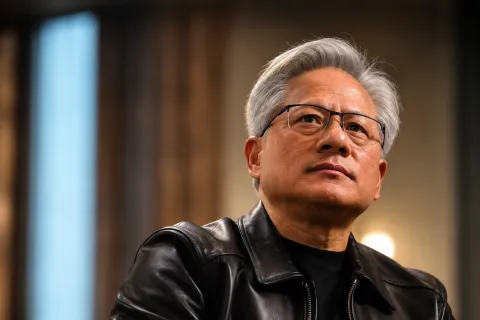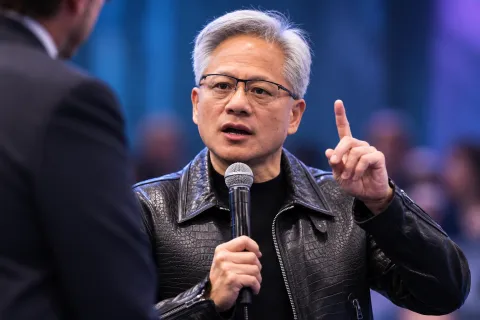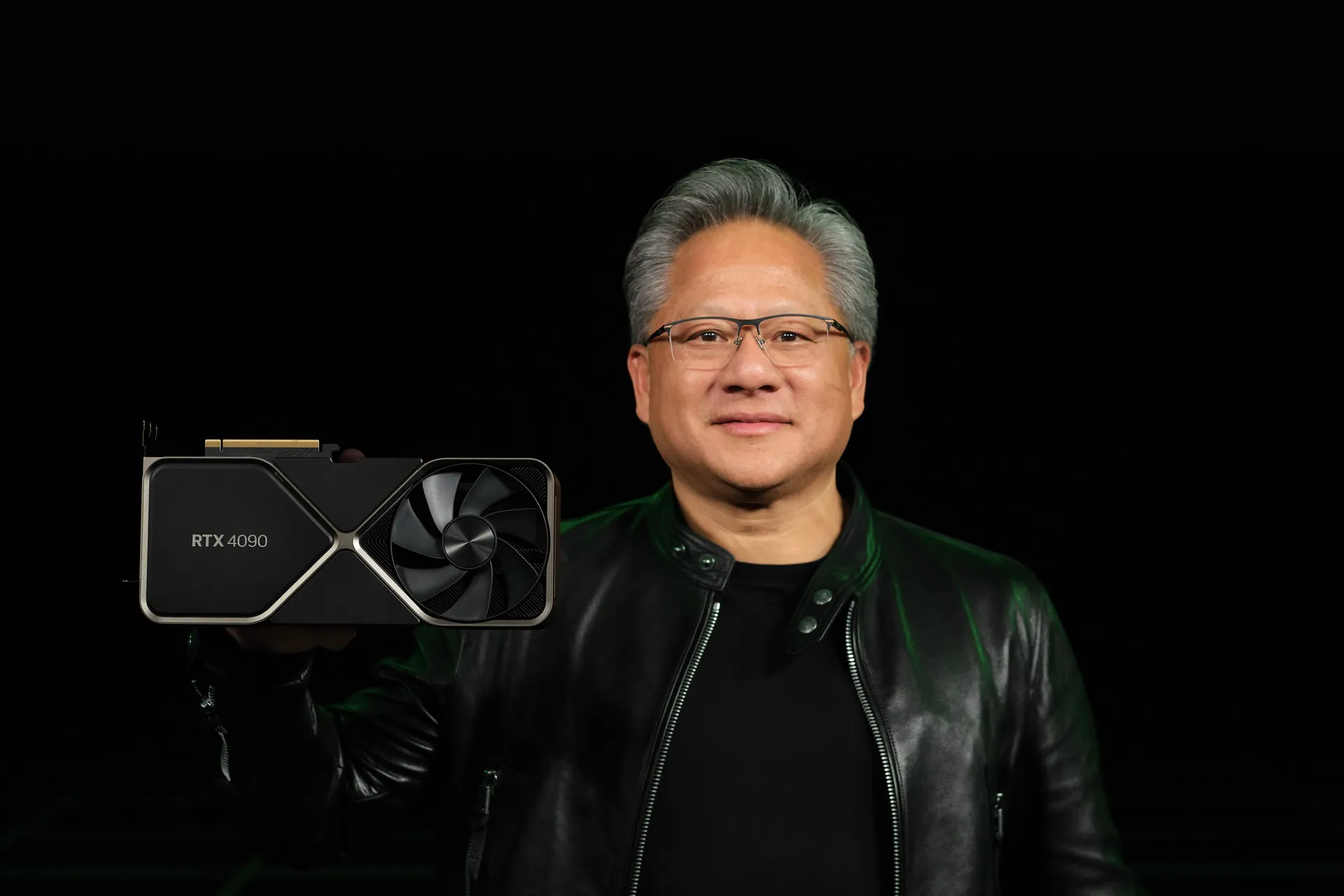
Nvidia CEO Jensen Huang’s resignation has ended the co-founder’s 33-year tenure as chief executive of the AI chipmaker. Nvidia announced his departure Thursday, November 12, 2026. Huang stepped down as president, CEO and a board member, effective immediately.
Chief Financial Officer Colette Kress has been appointed interim CEO. Nvidia’s board has begun searching for a permanent successor.
The leadership change follows reports about Huang’s personal relationships and allegations involving a suspected Chinese intelligence asset. Nvidia’s board is also investigating possible national security exposure. The company previously said it had no reason to believe sensitive information had been compromised.
In its official leadership announcement, Nvidia confirmed that longtime director Harvey C. Jones had been named board chair. The company expects operations, customer commitments and product development to continue without interruption.
Colette Kress Takes Over as Nvidia’s Interim CEO
Kress joined Nvidia in September 2013 and has served as executive vice president and chief financial officer. She helped oversee the company’s financial operations during its rapid expansion into artificial intelligence computing.
Before joining Nvidia, Kress held senior finance positions at Cisco and Microsoft.
She will retain her CFO responsibilities while serving as interim CEO. Nvidia’s board is considering both internal and external candidates for the permanent position.
Jones has served on Nvidia’s board since 1993 and previously held leadership positions at Synopsys. He said Nvidia’s management team would continue implementing the company’s strategy during the transition.
The leadership changes are documented in Nvidia’s SEC filing associated with the transition.
Jensen Huang’s Departure Follows Independent Investigation
Huang’s resignation comes days after Nvidia’s board opened an independent investigation into a suspected foreign intelligence operation.
The controversy centers partly on Alice Huang, a former executive associated with Singapore-based AI infrastructure company Megaspeed. U.S. officials reportedly suspect she has connections to Chinese intelligence.
Those allegations remain unproven. No public evidence establishes that Jensen Huang knowingly participated in espionage.
Huang acknowledged marital infidelity in a November 8 message to employees and pledged to cooperate with investigators. Additional reporting subsequently raised questions about another alleged relationship involving an Nvidia executive.
TechAmerica previously covered Nvidia’s independent investigation, including the company’s response to the reported intelligence concerns.
Nvidia’s November 12 announcement did not explain the resignation in detail. The company also did not announce the findings of the independent inquiry.
Nvidia Faces Questions Over China and Export Controls
The leadership transition comes as Nvidia navigates restrictions on advanced semiconductor exports to China. The country remains an important market for computing technology.
Huang previously argued that broad export restrictions could weaken American semiconductor companies. In 2023, he joined other industry executives in urging Washington to study the effects of China export controls.
Nvidia’s influence also extends beyond chip manufacturing. A report by The Information examined its relationships with customers and policymakers. The reporting explored Nvidia’s role in discussions about AI infrastructure and semiconductor policy.
The company’s financial performance reflects its reliance on advanced computing systems and large data center customers.
Its quarterly SEC report for the period ended July 26, 2026 provides financial results and disclosures about business risks. These include export restrictions and changing market conditions.
Those regulatory pressures are separate from the allegations involving Huang. Nvidia has not announced that he participated in illegal semiconductor shipments.
AI Infrastructure Partnerships Remain Central to Nvidia
Nvidia’s leadership transition coincides with extensive investment in AI data centers. The company supplies processors, networking equipment and software used to train and operate artificial intelligence systems.
In January, Nvidia announced an expanded partnership with CoreWeave to accelerate AI infrastructure development.
The agreement included a $2 billion investment from Nvidia. The companies also outlined plans supporting more than five gigawatts of AI computing facilities by 2030.
Nvidia subsequently announced a strategic partnership with Nebius in March. The arrangement included another $2 billion investment and engineering collaboration focused on large-scale AI cloud infrastructure.
These agreements represent substantial commitments to customers and infrastructure partners. Nvidia must maintain those relationships while its board selects a permanent chief executive.
What Happens Next for Nvidia?
Nvidia is scheduled to report its third-quarter fiscal 2027 financial results on November 17. An earnings conference call is also planned. The company has not announced changes to that schedule.
Kress will lead Nvidia’s search for a permanent CEO, while Jones oversees the board. The company has not disclosed when the succession process or independent investigation will conclude.
The transition ends Huang’s tenure as Nvidia’s only chief executive since its 1993 founding. The new leadership must maintain operations, deliver existing products and manage the company’s extensive AI infrastructure commitments.