Safe phones for kids are attracting growing interest as parents look for ways to stay connected with their children without giving unrestricted smartphone access. Manufacturers are responding with devices that limit social media, web browsing and contact with strangers while retaining essential communication features.
Concerns about children’s mental health and digital habits have contributed to the demand. A CNBC report highlighted growing parental concerns about young people’s well-being. Companies now offer everything from monitored smartphones to screen-free home phones.
Safe Phones for Kids With Parental Controls
Bark Phone: Monitoring and Adjustable Restrictions
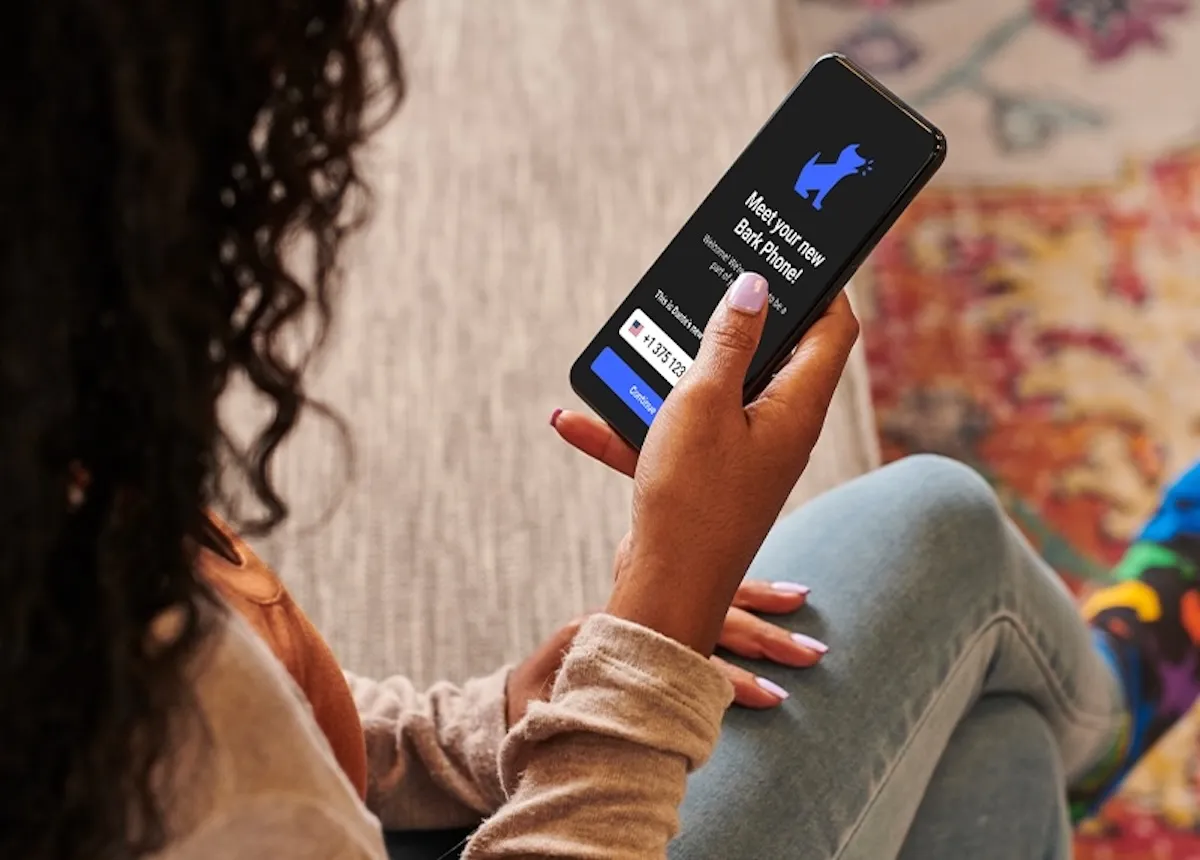
The Bark Phone combines Samsung smartphone hardware with monitoring software. It checks supported messages, photos and applications for potential risks, including cyberbullying and inappropriate content.
Parents receive alerts about concerning activity and can manage approved contacts, GPS tracking and screen time. Additional features can be enabled as children mature. The phone is listed on Amazon, with reported pricing around $240 and wireless plans starting at $29 monthly.
Gabb: Calling and Texting Without Social Media
Gabb takes a more restrictive approach. Its phones remove conventional app stores, unrestricted web browsing and social media while retaining calling, messaging and selected built-in applications.
Parents can monitor location and manage device settings. Optional safeguards help filter unwanted communications. The Gabb Phone 4 listing offers another purchasing option. Reported device prices start around $160, with cellular plans beginning near $25 monthly.
Pinwheel: Customizable Smartphone Access
Pinwheel phones let parents approve apps, manage contacts, and set usage schedules. Different settings can restrict access during school hours or bedtime.
Phones start around $119, while the Caregiver Portal subscription begins at $14.99 monthly, excluding cellular service. The company also offers Pinwheel Home phones, including the Spark and Classic models, for screen-free communication.
Teracube Thrive: A Managed Android Experience
The Teracube Thrive uses a modified Android operating system with parental app approval, browsing restrictions and screen-time controls. Parents can also monitor location and establish routines for different activities.
Unlike devices that eliminate most smartphone functions, Thrive allows families to introduce additional features gradually. Pricing varies by model and seller, while reported service plans begin around $35 monthly.
Screen-Free Phones Focus on Communication
Ooma MyPhone: A Home Phone for Children
Ooma MyPhone provides a home-based alternative to a mobile phone. Its Trusted Circle feature limits communication to approved contacts, while Quiet Hours restrict calling during selected periods.
The service also supports emergency calling and parental access to call records. The device has been advertised for approximately $100, with service starting at $7.99 monthly. A separate Amazon product listing has also been provided.
Tin Can: A Wi-Fi Landline Without a Screen
Tin Can resembles a traditional telephone but connects through Wi-Fi instead of a conventional phone line. Children can call approved contacts without accessing social media or mobile applications.
The device costs approximately $100. A free plan supports calls between Tin Can devices, while a $9.99 monthly subscription expands calling to other approved contacts.
Waffle: Home and Portable Calling Devices
Waffle offers two screen-free products designed for younger children. The Waffle Home, priced at $119, provides household calling without smartphone applications.
The portable Waffle Go costs $169 and supports voice calls and voice messages. Parents can approve contacts and manage communication through a companion application. The company has scheduled shipments to begin Nov. 23, 2026.
TextNow Yello! Offers a Restricted Mobile Phone
Canadian telecommunications company TextNow has introduced Yello!, a touchscreen phone designed for children. It removes unrestricted browsing, social media and conventional app store access.
Parents can monitor location and battery status while controlling approved contacts and games. Yello! costs $149.99 upfront, with a reported monthly plan of $19.99.
These devices offer different levels of independence rather than one universal safety solution. Families should compare communication restrictions, monitoring features, emergency access and recurring costs before selecting a phone.
Even dedicated children’s devices cannot eliminate every online risk. Parental controls work best alongside clear communication about privacy, unwanted contact and responsible technology use.