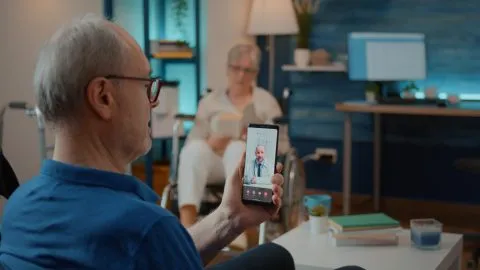
Referral Program Submissions Open to Hearing Technology Brands
Hearing aid and audio health companies are welcome to send their referral details.

An editorial invitation for companies to submit referral programs. Not sponsored, and not an offer from any company.
Hearing aid makers, direct-to-consumer hearing device brands, online hearing test providers and audio companies with hearing health features can now submit referral programs to TechAmerica.ai. Our editors are gathering program terms for a guide to how referrals work in hearing technology, a category where friends and family often play a big part in a person's decision to seek help.
TechAmerica.ai has no partnership, sponsorship, affiliate approval or active offer with any hearing technology company. Submitting a program does not ensure coverage, and editors may decline any submission. This page is not medical advice; anyone concerned about hearing changes should talk with a qualified hearing care professional or physician.
A Category Where Word of Mouth Matters
Hearing loss often develops gradually, and many people put off doing anything about it. A spouse who notices the TV volume creeping up, or a friend who shares their own experience with hearing aids, can be the nudge that leads someone to get tested. That social dynamic is why referral programs show up across hearing technology.
It is also why these programs need care. The people being referred may be older, may be uncertain about their hearing and may be making an expensive purchase they know little about. Programs that respect that position, with clear terms and no pressure, serve everyone better.
Referrals in this category also tend to flow within families. Adult children research devices for parents, spouses encourage each other to get tested and grandparents compare notes. Programs should account for the fact that the person who clicks a referral link may not be the person who will wear the device.
What Hearing Technology Includes
Our call for submissions covers several distinct product types:
- Hearing aids sold through clinics, fitted and adjusted by audiologists or hearing instrument specialists, often bundled with follow-up appointments.
- Hearing aids sold directly to consumers, including over-the-counter devices bought online or in retail stores and set up by the user with an app.
- Online and app-based hearing tests that screen hearing and suggest next steps.
- Audio devices with hearing features, such as earbuds that offer conversation boosting, sound amplification or hearing profiles.
- Accessories and services, including remote care subscriptions, protection plans and batteries.
Pricing ranges widely. Clinic-fitted devices are often sold as a bundle that includes professional services. Direct-to-consumer devices usually cost less and rely on remote support. Some companies offer financing or monthly plans, and some audio products add hearing features as part of a general-purpose device. Our coverage of devices like the AirPods 5 and Sony LinkBuds Clip shows how mainstream audio brands are moving closer to this space.
The regulatory line between a hearing aid, a personal sound amplifier and an earbud with hearing features matters for marketing. Our editors will look at how a product is classified and whether referral copy describes it consistently with that classification.
How Hearing Referral Programs Are Built
Referral programs in hearing technology take different forms depending on the sales channel.
Clinic-based programs
Hearing care practices sometimes thank patients who refer friends or family, for example with a gift, a battery supply or a service credit. Manufacturers that sell through clinics may run their own consumer programs or support clinic programs with materials.
Direct-to-consumer programs
Online hearing aid brands often run double-sided programs. The referrer may receive a gift card, accessory or extended warranty, and the friend gets a discount on a first pair. Rewards are commonly issued after the friend's return period ends, because hearing devices typically come with a trial window.
Hearing test referrals
Some apps and websites encourage users who complete a hearing screening to invite family members to take the test. These are usually free and may not involve a reward, but they still involve sharing a link that implies something about hearing.
Bundled professional services
Where a device is sold with fitting appointments, adjustments and cleanings, a referral discount may apply only to the device, only to the service package or to both. The difference can be significant. Readers should ask for an itemized quote that shows what the referral discount actually reduces, and companies should spell this out in their terms rather than leaving it to a sales conversation.
Audio brand programs
Mainstream audio companies may include hearing-focused products in general referral or member programs. Readers should check whether a discount covers the specific model or features they need.
Rules That Shape Hearing Referral Rewards
Federal health program patients
Some hearing care providers bill Medicare or Medicaid for certain services. When that is the case, federal fraud and abuse rules can apply to gifts and rewards. The civil monetary penalty law on beneficiary inducements bars offering Medicare or Medicaid beneficiaries remuneration likely to influence their choice of provider or supplier.
The HHS Office of Inspector General allows items of nominal value under a 2016 policy statement: up to $15 per item and $75 in total per beneficiary per year, with no cash or cash equivalents. A clinic that gives older patients a thank-you gift for referrals should keep those limits in mind, and should get advice on whether a broader program is permissible.
The federal Anti-Kickback Statute also prohibits paying remuneration to induce referrals of federally reimbursed items or services. Payments to physicians or other providers for sending patients to a hearing practice are a particular concern. These are questions for health care counsel.
Marketing claims
Referral copy is advertising. Claims about what a device can do for a person's hearing need support, and claims that cross into diagnosing or treating a medical condition can raise regulatory questions depending on the product. Food and Drug Administration guidance on general wellness products, updated January 6, 2026, illustrates the broader principle that products marketed for wellness should not make disease claims. Hearing aids are medical devices, so their marketing must also match what the device is authorized to do.
Tinnitus and wellness products
Alongside hearing aids, the market includes sound therapy apps, sleep sound devices and other products aimed at people with tinnitus. Some are marketed as wellness tools. Referral programs for these products should be especially careful with claims, since promises to cure or eliminate tinnitus go well beyond what wellness positioning allows. Our editors will look closely at how such products are described in invite messages and share cards.
Expert endorsements
Audiologists and hearing specialists often appear in hearing aid marketing. The FTC's Endorsement Guides, revised June 29, 2023, say expert endorsers must have qualifications relevant to the claims and must have actually evaluated the product. If a professional receives payment or other benefits from a brand, that connection should be disclosed.
Financing and monthly plans
Hearing devices are increasingly sold on installment plans or subscriptions that bundle the device with support and replacement coverage. A referral discount on a financed purchase may reduce the total price, the first payment or nothing at all if the plan is promotional. Companies should explain how referral rewards interact with financing, and readers should compare the total amount payable with and without the referral before signing up.
Privacy for Hearing Data
Hearing tests produce audiograms and other measurements that are health information. Apps that store hearing profiles, track listening levels or adjust devices remotely collect more. Referral programs should be designed so this data stays out of marketing.
Clinic-based providers that are HIPAA covered entities handle patient information under HIPAA. Many direct-to-consumer apps are not covered entities. For those, the FTC's Health Breach Notification Rule, extended in 2024 to health apps and connected devices outside HIPAA, may apply. Under the amended rule, which took effect July 29, 2024, a breach includes unauthorized disclosures of identifiable health information, not only cyberattacks.
Practical safeguards include:
- Never sharing a friend's test results or device purchase details with the referrer.
- Keeping audiogram data out of referral tracking and advertising tools.
- Using neutral language in invite messages rather than references to hearing loss.
- Letting family members who help an older relative understand what data they can see.
Advice for Readers Considering a Referral
Hearing devices are a significant purchase, and the right choice depends on the type and degree of hearing loss, lifestyle and comfort with technology. A referral discount should not decide that. Before using a friend's link, consider these points:
- Have you had your hearing evaluated, and does the device type suit the results?
- Does the price include fitting, follow-up adjustments and remote support?
- How long is the trial period, and is there a restocking or return fee?
- What warranty and loss or damage coverage come with the device?
- Can you get in-person help if the app-based setup does not work for you?
- Will your friend learn anything about your hearing or purchase?
- If you use Medicare or Medicaid for hearing services, does the program say you are eligible?
Sudden hearing loss, pain, drainage or dizziness are reasons to seek medical care promptly, not to order a device online. A good hearing technology company will say so clearly.
Accessibility of the process itself
A referral program for hearing products should be easy to use for people with hearing loss. That sounds obvious, but some programs rely on phone calls to confirm orders or on video instructions without captions. Readers should check that support is available by text, chat or email as well as by phone, and companies should design every step of the referral flow, from invite to setup, with accessibility in mind.
Red flags
- Pressure tactics, such as limited-time referral pricing during a sales call.
- Claims that a device will restore normal hearing or cure tinnitus.
- Referral offers from sellers that do not name the manufacturer or provide warranty details.
- Rewards for posting positive reviews.
- Requests for medical records to claim a referral reward.
What a Clear Hearing Program Page Shows
When editors open a hearing technology referral page, a few details tell us quickly whether the program was built with customers in mind. The strongest pages share these traits:
- They name the exact products covered and say whether accessories, warranties or service plans are included.
- They state the trial or return period and explain how a return affects both sides of the referral.
- They describe the reward plainly, including its form, timing and any expiry date.
- They say whether customers using government health coverage can take part.
- They explain what the referrer learns about the friend, ideally nothing beyond the reward.
- They list how to reach a person for help, not only an app or chatbot.
- They carry a date and explain how changes will be communicated.
Pages that meet this standard are easier for readers to trust, and they shorten our review considerably.
Pages that fall short are not automatically excluded, but our coverage will note what is missing so readers know which questions to ask before they buy.
How Hearing Technology Companies Can Submit
Companies can send referral program details through the TechAmerica.ai contact page. Please mark the message as a hearing technology referral submission.
Information to include
- A link to the official referral terms and their effective date.
- Product type and sales channel: clinic-fitted, direct-to-consumer, test, audio device or accessory.
- Reward details for both sides, when rewards are issued and how returns affect them.
- Whether the program applies to customers using federal health programs.
- Any payments to clinicians, clinics or other referral sources.
- How hearing data is handled in the referral flow.
- Guidance given to audiologists or creators who promote products.
- A contact for editor questions.
What editors do with it
Editors read the official program pages and compare them with the submission. We look at how products are described, whether claims match the product type, how older customers are treated in the process and how data is protected. We may follow up with questions.
Submission does not ensure coverage. We may decline a program or cover it with context. We do not accept payment or publish referral codes. If terms, products or eligibility change, send an update; if a program ends, tell us so we can note it.
Looking Ahead for Hearing Tech
Hearing technology is converging with consumer audio, and AI features such as speech enhancement are spreading across devices. That convergence brings more companies and more referral programs into the space, some from brands new to health care. Readers can follow wider developments through our Biotech and Health coverage.
The programs we most want to see are those that combine a fair reward with clear terms, honest claims, careful data handling and respect for customers who may be making this decision for the first time.
Companies that already run programs like that should send them in. Accurate terms, clear product descriptions and a contact who can answer questions are all our editors need to begin.
Frequently Asked Questions
What kinds of hearing technology companies can submit referral programs?
Hearing aid manufacturers, clinic networks, direct-to-consumer hearing device brands, online and app-based hearing test providers, and audio companies with hearing features can submit. Programs may involve gifts, credits, discounts or accessories. Editors review each submission independently and may decline it.
Why are referrals so common in hearing technology?
Hearing loss often develops gradually, and many people delay seeking help. Family members and friends who notice changes or share their own experience frequently prompt someone to get tested. Referral programs give that social influence a structure, which is why they appear across the category.
How do direct-to-consumer hearing aid referral programs typically work?
Many use a double-sided structure: the referrer receives a gift card, accessory or warranty extension, and the friend receives a discount on a first purchase. Rewards are often issued only after the friend's trial or return period ends, since hearing devices commonly come with a trial window.
Can a hearing clinic give patients gifts for referring friends?
It depends on the patients and services involved. If the clinic bills Medicare or Medicaid, the beneficiary inducement law applies, and OIG's 2016 policy allows only non-cash items of nominal value, up to $15 each and $75 per year per beneficiary. Clinics should get legal advice on broader programs.
Is it legal for a hearing practice to pay doctors for patient referrals?
Payments to physicians or other providers for sending patients raise serious concerns under the federal Anti-Kickback Statute when federally reimbursed services are involved, and may also violate state laws. Practices should get health care counsel before entering any such arrangement.
Do referral rewards affect the trial period for hearing aids?
Usually the trial period comes first. Many programs hold the referrer's reward until the friend's return window closes, and a return can cancel the reward. Readers should check the trial length, any restocking or return fee and how the referral discount is handled if the device is returned.
Should a referral discount decide which hearing aid I buy?
No. The right device depends on your hearing evaluation, lifestyle, comfort with technology and need for professional support. A referral discount is a secondary factor. TechAmerica.ai does not give medical advice, and anyone with hearing concerns should consult a qualified professional.
What hearing symptoms should prompt medical care rather than a device purchase?
Sudden hearing loss, ear pain, drainage or dizziness are reasons to seek medical care promptly. These can signal conditions that need evaluation. A reputable hearing technology company will say so clearly in its materials, including referral messages.
Do audiologists who promote hearing aids need to disclose payments?
Yes. The FTC's Endorsement Guides say material connections such as payments or free products must be disclosed clearly. The guides also say expert endorsers must have relevant qualifications and must have actually evaluated the product they endorse.
Can earbuds with hearing features be promoted like hearing aids?
Marketing must match how a product is classified and what it is authorized to do. Our editors check whether referral copy describes an audio product, sound amplifier or hearing aid consistently with its classification and avoid programs that blur those lines.
Is hearing test data protected when I take a test through a referral link?
It depends on the provider. Clinic-based providers that are HIPAA covered entities protect results under HIPAA. Many consumer apps are not covered, but the FTC's Health Breach Notification Rule may apply to them. Check the privacy policy and ask whether the referrer sees anything.
Will my friend know about my hearing test results if I use their link?
A well-designed program should not share results or purchase details with the referrer. The referrer should learn only that a reward was issued, if anything. If the program's terms are unclear, ask the company before taking the test or buying a device.
Can family members manage a hearing referral for an older relative?
Family members often help with research and setup. Programs should explain what a family member can see and whose account receives any reward. The person whose hearing is being tested should agree to the purchase and understand how their data is used.
What claims in hearing referral messages are red flags?
Claims that a device will restore normal hearing, cure tinnitus or eliminate the need for medical care are red flags. Referral copy is advertising and needs support for its claims. Messages that rely on pressure, such as limited-time referral pricing during a sales call, are also concerning.
Do hearing referral programs apply to Medicare customers?
Some do and some exclude them. Because federal rules limit inducements to Medicare and Medicaid beneficiaries, programs should state clearly whether people using those programs for hearing services can participate. If a program is silent, ask before relying on a reward.
What should a hearing technology company include in a submission?
Include official terms and effective date, product type and sales channel, reward details and timing, treatment of returns, applicability to federal program customers, any payments to clinicians or clinics, hearing data handling, endorser guidance and a contact for editor questions.
How do TechAmerica.ai editors review hearing technology programs?
Editors read official program pages, compare them with the submission and examine product descriptions, claims, treatment of older customers and data protection. We check that referral copy matches the product's classification and may follow up with questions before deciding on coverage.
Does TechAmerica.ai have affiliate deals with hearing aid brands?
No. TechAmerica.ai has no partnership, sponsorship, affiliate approval or discount arrangement with any hearing technology company. We do not publish referral codes and do not earn rewards when readers buy hearing devices.
Can TechAmerica.ai decline a hearing technology referral submission?
Yes. Submission does not ensure coverage. Editors may decline, describe a program briefly or add critical context. We do not accept payment for coverage or publish referral links for companies.
Do hearing aid referral rewards include warranties or batteries?
Some do. Hearing-specific rewards like extended warranties, battery supplies or accessories are common alternatives to cash or gift cards. Readers should check whether these rewards have expiry dates or conditions and whether they apply to the specific model they own.
Are online hearing tests a substitute for a professional evaluation?
Online tests can screen hearing and suggest next steps, but they are not the same as a full evaluation by a qualified professional. A referral to an online test is a starting point. Anyone with significant concerns should seek professional care.
Can a hearing aid company reward customers for positive reviews?
Rewarding only positive reviews is deceptive under the FTC's 2023 Endorsement Guides. Companies may ask for honest reviews, and incentivized reviews need disclosure. A referral reward tied to high ratings would raise concerns in our review.
How should hearing technology companies update TechAmerica.ai?
Send revised terms with the effective date through the contact page and note what changed, such as eligible products, reward types or return rules. If a program ends, tell us so coverage can be updated. Editors will recheck the official page.
Do invite messages for hearing products need special wording?
Neutral wording is best. Invites that refer to hearing loss can reveal health information about the sender or imply something about the recipient. A simple message about the product or service, without assumptions about the friend's hearing, respects both people.
Why is TechAmerica.ai covering hearing technology referral programs?
Referrals help many people take the first step toward addressing hearing changes, and program terms affect cost, returns and privacy. Explaining how these programs work helps readers decide with clear information. Our coverage is editorial and does not recommend specific devices.