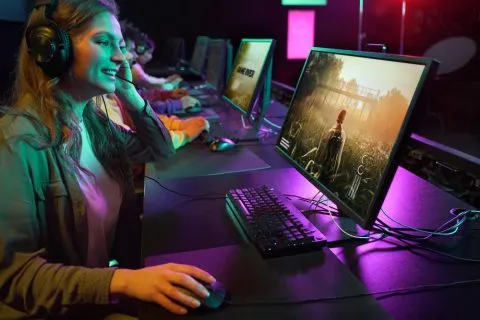
Game Companies Invited to Share Streamer and Creator Program Details
Programs for creators who stream and review games can be submitted for review.

An editorial invitation for companies to submit referral programs. Not sponsored, and not an offer from any company.
Game publishers, hardware makers and gaming services that run programs for streamers and video creators are invited to share the details with TechAmerica.ai. Editors want to document how these programs work, who can join them and how creators are expected to tell audiences about the money or perks involved.
Creator programs shape what millions of viewers see when they decide which game to buy or which headset to trust. Yet the terms are often scattered across application forms, partner dashboards and contracts. This page sets out what editors are looking for and offers a practical overview of the category for creators and viewers alike. TechAmerica.ai has no partnerships, sponsorships, affiliate approvals or codes with any company that runs a creator program.
Why we are asking for creator program details
Streaming and video have become central to game marketing. A new release can reach players through a launch-day stream, a sponsored playthrough or a short clip long before a traditional ad runs. Behind many of those moments is a program that pays or rewards the creator.
Unlike a banner ad, a creator's recommendation arrives inside content viewers chose to watch, from a person they may follow for years. That trust is exactly what makes creator programs effective, and it is also why the commercial side needs to be visible.
Viewers deserve to understand those arrangements. Creators, especially smaller ones deciding which programs to join, benefit from clear comparisons of terms. Companies that run fair, well-documented programs have little to lose from an accurate description, and editors would rather work from official terms than from rumors in creator communities.
The kinds of creator programs game companies run
The term "streamer affiliate program" covers several quite different arrangements. Editors will want to know which ones a company operates.
The creators involved vary widely. At one end are full-time streamers with large audiences and management teams. At the other are hobbyists with a few hundred followers who review indie games or hardware on weekends. Companies often run several tiers so that a single program can serve both, with automated affiliate access for smaller channels and negotiated deals for the largest. Viewers are just as varied, from adults researching a purchase to teenagers following favorite personalities, which is why disclosure and age considerations run through every part of this guide.
Revenue share from player purchases
Some publishers let players nominate a creator to support. When those players buy in-game items or games, the creator receives a share. Epic Games' Support-A-Creator program is the best-known example: as described in published reporting reviewed for this guide, players can choose a creator, selected by Epic from applications, and that creator earns a share of the supporters' eligible purchases. Programs of this type depend on the publisher's own store and payment systems.
Affiliate commissions on hardware and services
Hardware makers, subscription services and digital stores often run affiliate programs that pay creators a commission on sales tracked through links or codes. These are usually managed through affiliate networks and are open to a wide range of creators who meet basic requirements.
Sponsored content and paid campaigns
Publishers pay creators directly to stream or feature a game, often around launch or a major update. The fee may be flat or tied to views, and contracts can set talking points, content approvals and posting schedules.
Early access and key distribution
Many companies give creators free copies, early builds or review keys, sometimes through key distribution platforms that screen creators by audience size and content. There may be no cash involved, but the free product is still a material connection.
Watch-to-earn and viewer reward campaigns
Some campaigns reward viewers with in-game items for watching participating streams for a set time. Creators who join these campaigns can see audience growth, and the publisher gains attention for the game. The creator's participation is a commercial relationship that viewers should know about.
Ambassador and partner rosters
Larger companies maintain rosters of creators with ongoing contracts that may include monthly fees, exclusive content, event appearances and personal discount codes.
Program terms creators and editors read first
Creator program terms are usually longer than consumer referral terms. These are the points that matter most:
- Eligibility thresholds. Minimum followers, average viewers, upload frequency or platform partner status.
- Application and selection. Whether acceptance is automatic or curated, and how long decisions take.
- Payout model. Percentage of sales, flat fees, per-view payments or in-kind products.
- Attribution window. How long after a viewer clicks or enters a code a purchase still counts.
- Payout thresholds and timing. Minimum balances, payment schedules and accepted payment methods.
- Tax documentation. US creators may need to provide tax forms before payment, and non-US creators may face withholding.
- Content rules. Banned content, required hashtags, approval rights and rules about criticizing the product.
- Exclusivity. Whether creators may promote competing games, hardware or services.
- Termination. What happens to earned but unpaid revenue if either side ends the relationship.
- Geography. Countries where creators can join and where viewer purchases count.
Clauses that deserve extra attention
Terms that restrict negative opinions are a particular concern. A creator paid to play a game should not be contractually barred from saying they did not enjoy it, and the FTC's Endorsement Guides say endorsements must reflect the endorser's honest views. Content approval rights can also blur the line between a creator's opinion and an advertiser's script. Editors will note such clauses when describing a program.
Disclosure: what the FTC expects from gaming creators
The FTC's Endorsement Guides apply directly to gaming content, and the agency has addressed streaming scenarios in its published answers to common questions.
- A paid live-streamed playthrough should carry continuous or repeated disclosure, since viewers can join at any point.
- Previews of unreleased games should say the creator was paid, not just that they received early access or a sneak peek.
- When a game marketer pays for reviews through a video network, the sponsor should be identified, ideally both spoken and on screen.
- A free game can create a connection that needs disclosure; whether disclosure is still needed long after receipt depends on what viewers would expect.
- Platform disclosure tools help but do not replace the creator's own clear statement.
- Vague tags such as "sp," "spon" or "collab" are not recommended. Plain words like "ad" or "sponsored" work better.
The FTC also expects advertisers to train and monitor the creators who promote them. A company that runs a creator program should give written disclosure guidance and check what partners actually post.
Short-form clips raise their own problem. A sponsored segment cut from a longer stream and posted as a clip can lose the disclosure that appeared at the start of the broadcast. Creators and companies should make sure the disclosure travels with the clip, either in the frame or spoken within it, so viewers who never saw the full stream still understand the relationship.
Codes in chat and panels
Streamers often place codes in chat commands, channel panels or overlays. A code alone does not tell viewers that the streamer earns money from it. A short spoken or on-screen statement when the code is promoted is clearer than relying on viewers to read a panel.
Higher-risk categories editors handle carefully
Some creator programs sit close to regulated or risky areas. Editors apply extra scrutiny to:
- Gambling-adjacent promotions such as skin betting, case-opening sites and sweepstakes casinos, which raise age and legality questions in many US states.
- Loot box and gacha promotions where creators open randomized items on stream, sometimes with currency the publisher supplied for free.
- Programs aimed at young audiences, where children's privacy rules and age-appropriate advertising standards apply.
- Crypto or token-based games, where promotional claims can cross into investment territory.
The FTC's January 2025 settlement with HoYoverse over Genshin Impact showed how closely regulators now look at randomized purchases and virtual currency, especially where young players are involved. The agency's business guidance after that case called for honest disclosure of odds and real costs. Creator content that shows pulls or case openings is part of how those systems are marketed.
If a creator opens loot boxes using currency provided by the publisher, viewers should be told, because the results may look more generous than ordinary play. Editors may decline coverage of programs in these areas when the company cannot show clear age controls, disclosure rules and legal compliance.
Questions creators should ask before signing up
For creators, joining a program is a business decision, and the most generous headline rate is not always the most suitable agreement. Before applying, it is worth working through a short list of questions.
- Does this product fit my channel? Promoting a game or device the audience does not care about can cost more in trust than it earns.
- How is a sale counted? Codes, links and in-store creator tags each track purchases differently, and some miss sales made on consoles or mobile.
- When do I get paid? Long payment cycles and high minimum balances can leave small creators waiting months.
- What am I agreeing not to do? Exclusivity, content approvals and restrictions on criticism should be read carefully.
- Who handles disclosure? The creator is responsible for clear disclosure, but the company should provide guidance and not ask for anything that hides the relationship.
- What happens if the program changes? Companies can alter rates or close programs, so the notice period and treatment of pending earnings matter.
Creators who join several programs should keep a simple record of each agreement, its disclosure requirements and the content that used it. That record helps if a company or a platform later asks how a promotion was presented.
Privacy and data in creator programs
Data flows in creator programs are often less visible than in consumer referral schemes, because several companies can be involved at once: the publisher, an agency, an affiliate network, a key distribution platform and the streaming service itself.
Creator programs process personal data on both sides. Creators share identity, tax and banking information with the company or its network. Viewers who use a creator's code or link have their purchases attributed, which may involve cookies or account linking.
Program documentation should explain what creators can see about their audience. Aggregate sales counts are common; individual buyer details generally should not be shared. Companies should also say how long attribution data is stored and whether it is used for other marketing. Creators should also be told if the company shares their performance data with agencies or other brands, since that can affect future negotiations. Our social platforms coverage follows related changes at the services where creators publish.
How to share your creator program with editors
Companies can send program details through our contact page. Helpful submissions include:
- Links to public program pages, application forms and program terms or policies.
- The program types offered, with a short description of each.
- Eligibility requirements and how selection works.
- Payout models, attribution windows, thresholds and payment timing.
- Content and exclusivity rules, including any approval rights.
- Disclosure guidance given to creators, and how compliance is monitored.
- Countries where creators can join and where viewer purchases count.
- Privacy practices for creator and viewer data.
- A named contact for questions, corrections and updates.
Companies sometimes worry that describing a program publicly will invite low-quality applications. Editors can describe eligibility and selection in a way that sets expectations clearly, which may reduce unsuitable applications rather than increase them. Companies are welcome to tell us which details they consider most important for prospective creators to understand.
What editors check
Editors compare submissions with public pages and terms, read disclosure guidance and may look at how partnered creators present codes in practice. They will not publish private contract terms that the company has not made public, and they will not name individual creators without a clear editorial reason. Sending details does not ensure coverage, and editors may decline programs that are unclear or fall into the higher-risk categories without adequate safeguards.
Keeping creator program coverage current
Creator programs change as companies shift marketing budgets, launch new titles or move between platforms. Companies should tell editors when eligibility, payout models, attribution windows, disclosure rules or geographic coverage change, and when a program closes. Editors will verify each change on official pages, update coverage and show the review date.
Programs that pause enrollment, for example between game launches, should say so on their public page so creators do not apply into a queue that is not being read.
Creators who see a gap between our description and a company's current terms should rely on the official documentation and tell us. Wider industry coverage, including how streaming platforms and publishers change their deals, appears in our media and entertainment section.
Frequently Asked Questions
What is a streamer affiliate program in gaming?
It is any program in which a game publisher, hardware maker or gaming service pays or rewards streamers and video creators for promoting its products. Rewards can be revenue shares on player purchases, affiliate commissions, flat sponsorship fees, free games or hardware, or ongoing ambassador contracts with discount codes.
How do support-a-creator style programs pay streamers?
Players nominate a creator to support, often by entering a creator tag in the publisher's store. When those players make eligible purchases, the creator receives a share of the revenue. Payment depends on the publisher's store and payment systems, and creators are usually selected or approved through an application.
How are game creator affiliate programs different from sponsorships?
Affiliate programs pay a commission on sales tracked through links or codes and are often open to many creators who meet basic requirements. Sponsorships pay a negotiated fee for specific content, such as a launch stream, and usually come with contracts covering talking points, approvals and schedules.
Does a free review key count as payment for a game creator?
For disclosure purposes, yes. The FTC treats free products as material connections. A creator who streams a game received free should consider whether viewers would expect that relationship, and disclose it when they would not. Whether disclosure is still needed long after receipt depends on audience expectations.
What are watch-to-earn campaigns for game streams?
These campaigns reward viewers with in-game items for watching participating streams for a set time. Creators who join may gain viewers, and the publisher gains attention for the game. The creator's participation is a commercial arrangement that viewers should be told about.
What eligibility rules do game creator programs commonly use?
Programs often require minimum followers or average viewers, regular uploads, partner or affiliate status on a streaming platform and content that fits the brand. Some accept creators automatically when they meet thresholds, while others review applications individually and may take weeks to decide.
What is an attribution window in a creator affiliate program?
An attribution window is the period after a viewer clicks a creator's link or enters a code during which a purchase still credits the creator. Windows vary by program. Shorter windows mean fewer purchases count, so creators should check the window before comparing commission rates.
Do US creators need tax forms for game creator programs?
Many programs require US creators to submit tax forms before payments are released, and non-US creators may face withholding. Requirements depend on the program and payout method. Creators should consult a tax professional about reporting income and the value of free products from these programs.
Can a game company stop a paid creator from criticizing its game?
Contracts sometimes include content approval or restrictions on negative comments, but the FTC's Endorsement Guides say endorsements must reflect honest opinions. A paid creator who did not enjoy a game should not be required to praise it. Editors flag such clauses when describing programs.
How should streamers disclose paid gaming partnerships on a live stream?
The FTC advises continuous or repeated disclosure on live streams because viewers join at different times. A clear spoken statement and an on-screen label such as ad or sponsored work better than a panel or chat command. Platform disclosure tools should be used alongside the creator's own statement.
Is a creator code in Twitch chat enough disclosure?
Usually not on its own. A code in chat or a panel does not tell viewers the streamer earns money from it. The creator should say clearly, when promoting the code, that they receive a commission or other benefit. Plain words are better than tags like spon or collab.
Do previews of unreleased games need special disclosure?
Yes. The FTC has said a paid preview should state that the creator was paid, not just that they had early access or a sneak peek. If a publisher provided the build and paid for coverage, both facts should be clear to viewers near the start of the content.
Why are gambling-adjacent creator promotions treated differently?
Promotions for skin betting, case-opening sites and sweepstakes casinos raise legal questions in many US states and often reach underage viewers. Editors apply extra scrutiny and may decline coverage unless the company can show clear age controls, location checks, disclosure rules and legal compliance.
Should creators disclose when loot box currency was provided free?
Yes. If a publisher supplies free currency for a creator to open loot boxes or gacha pulls on stream, viewers should be told, because results may appear more rewarding than ordinary play and the creator's spending is not real. This disclosure is separate from any sponsorship statement.
What data do game creator programs collect about viewers?
Programs track purchases attributed to a creator through cookies, account linking or codes. Creators usually see aggregate counts and earnings rather than individual buyer details. Program documentation should explain what creators can see, retention periods and whether attribution data is used for other marketing.
What data must creators share to join game company programs?
Creators typically provide identity details, contact information, channel analytics, tax information and bank or payment details. Companies and their networks should explain how this data is protected, who can access it and how long it is kept after a creator leaves the program.
Are creator programs aimed at young audiences treated differently?
Yes. When a game or creator audience includes many children, children's privacy rules and age-appropriate advertising standards apply. Programs should explain how they handle young viewers and avoid encouraging children to make purchases through creator codes without parental involvement.
How can a game company share creator program details with TechAmerica.ai?
Companies can use the TechAmerica.ai contact page to send program links, terms, program types, eligibility, payout models, attribution windows, content and exclusivity rules, disclosure guidance, regions, privacy practices and a named contact. Editors review independently and may ask follow-up questions.
What do editors check when reviewing a game creator program?
Editors compare submissions with public program pages and terms, read disclosure guidance, check payout and attribution rules and may observe how partnered creators present codes. They do not publish private contract terms and do not name individual creators without a clear editorial reason.
Why might TechAmerica.ai decline to cover a creator program?
Coverage may be declined when terms are not public, when disclosure guidance is missing, when contracts appear to restrict honest opinions, or when programs involve gambling-adjacent, crypto or child-focused promotions without adequate safeguards. Companies can address the issues and resubmit.
Does TechAmerica.ai take part in game creator programs?
No. TechAmerica.ai has no partnerships, sponsorships, affiliate approvals or codes with companies that run creator programs and earns nothing from them. Coverage describes a company's own public program and is not an endorsement of joining it or of any game it promotes.
How should companies update editors about creator program changes?
Companies should use the contact page whenever eligibility, payout models, attribution windows, disclosure rules or regions change, and when a program closes. Editors verify changes on official pages, update coverage and display the date of the latest review.
Can non-US creators join game company creator programs?
Many programs accept creators from multiple countries, but eligibility, payout methods and tax withholding vary. Some programs only count purchases from certain regions. Companies should list eligible countries for creators and for viewer purchases, and creators should check both before applying.
Do creators lose unpaid earnings if a game creator program ends?
It depends on the terms. Some programs pay out balances above a threshold when a creator leaves or the program closes, while others forfeit small balances or earnings tied to policy violations. The termination clause should state what happens to earned but unpaid revenue.
How can viewers tell if a gaming creator is sponsored?
Look for clear spoken or on-screen statements such as ad, sponsored or paid partnership, platform labels and mentions of free products or codes that earn commission. When in doubt, viewers can treat code promotions as advertising and compare the creator's opinion with independent reviews.