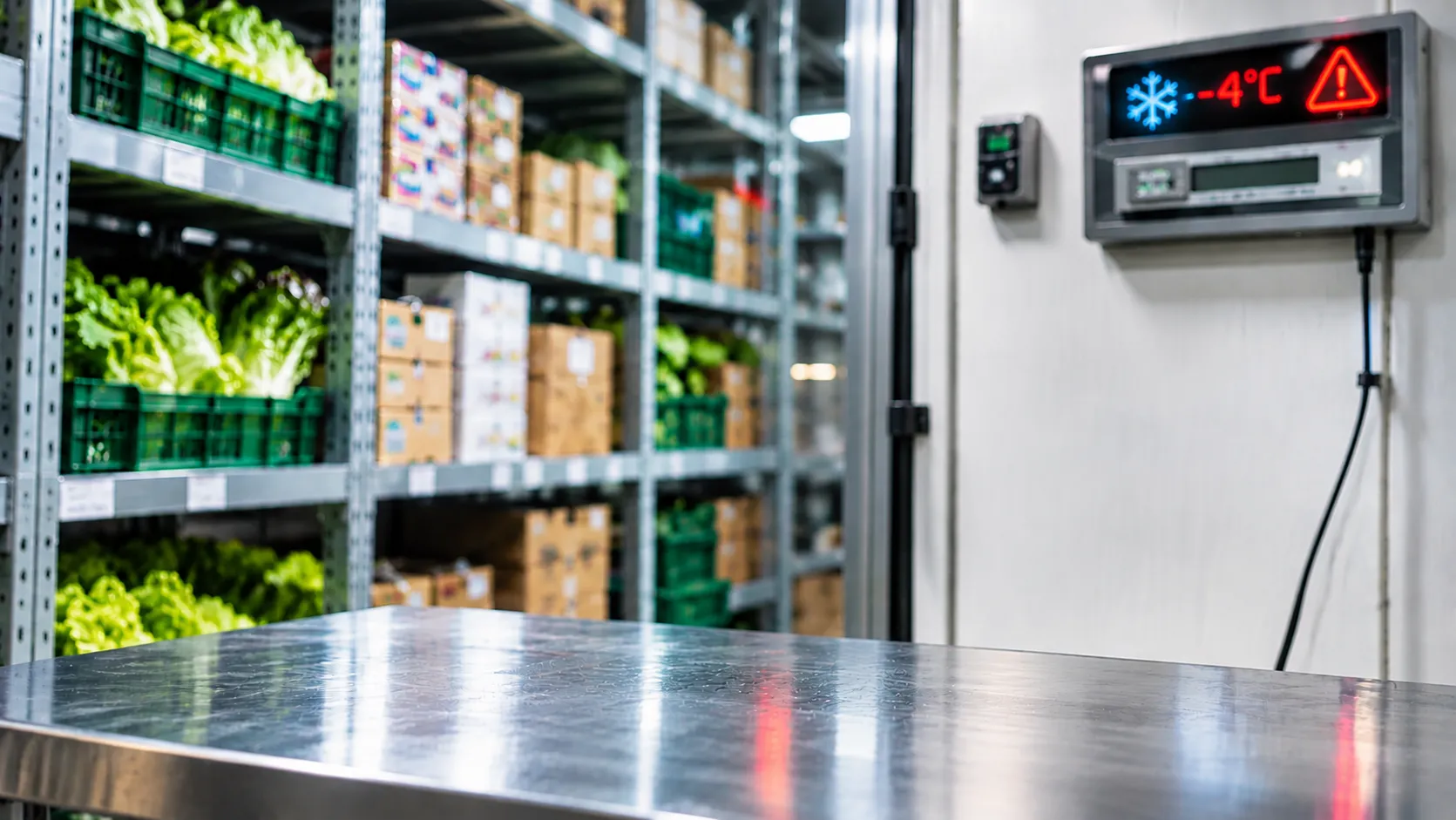
Industrial refrigeration cyberattacks have prompted a new U.S. government warning after hackers targeted commercial freezers and cold-storage systems across several countries. The incidents affected European supermarkets and French medical facilities, while U.S. military investigators examined suspicious freezer malfunctions.
On November 5, 2026, CISA, the FBI and three federal departments issued a joint cybersecurity warning. The agencies urged operators to secure internet-connected refrigeration equipment against unauthorized access and manipulation.
Industrial Refrigeration Cyberattacks Disrupt European Stores
In October, hackers manipulated refrigeration controls at hundreds of French supermarkets. The attacks changed temperature settings, causing food to spoil and forcing retailers to discard frozen products.
The disruption later spread to other European countries. A BBC report covered attacks affecting commercial refrigeration systems, while NPR’s investigation documented incidents across multiple countries.
Security researchers identified internet-connected refrigeration controllers as a significant vulnerability. Some affected equipment used outdated firmware or lacked adequate protection against remote access.
French Blood Storage Facilities Also Targeted
France’s national blood service, Établissement français du sang (EFS), confirmed a separate cybersecurity incident involving a refrigeration equipment provider on November 2.
According to the EFS announcement, attackers altered temperature and defrost settings at three facilities. Monitoring systems detected the changes, allowing employees to secure affected blood products.
EFS said no blood products were lost and no health consequences were identified. The incident nevertheless demonstrated how attacks on third-party equipment providers can threaten sensitive medical storage.
Pentagon Investigates Military Freezer Malfunctions
Similar concerns emerged in the United States after freezer failures affected at least six military commissaries in August.
Reuters reported that Pentagon investigators were treating the incidents as suspected cyberattacks. At Fort Huachuca in Arizona, freezers unexpectedly entered defrost mode and destroyed stored food.
The independent publication Signal and Silence initially described the unusual failures. Military investigators later coordinated with French authorities to examine similar incidents.
Nextgov reported that officials suspected Iran-linked hackers. However, the Pentagon has not publicly confirmed the cause or attributed the incidents to a particular group.
U.S. Agencies Recommend Stronger Industrial Security
The federal warning covers refrigeration systems used in healthcare, agriculture, transportation and chemical industries. These systems manage temperatures, defrost cycles and storage conditions for sensitive products.
The agencies recommend removing unnecessary internet access, updating supported firmware and restricting remote connections. Their technical guidance also addresses network segmentation, monitoring and stronger authentication.
The risks resemble those affecting other industrial control systems. TechAmerica previously reported cyber threats targeting water system controllers, and CISA warned about attacks on water infrastructure.
Investigators have not established whether the refrigeration incidents share a common attacker. Federal agencies are urging operators to strengthen security while investigations continue, particularly where compromised controls could damage food, medical supplies or essential equipment.