Tesla’s 2026 Cybercab customer sales remain a company target despite an ongoing federal safety investigation. Tesla aims to begin limited customer deliveries of its steering-wheel-free robotaxi before year-end. However, regulatory questions remain unresolved, and the company has not confirmed a firm retail launch date.
Tesla Vice President of Vehicle Engineering Lars Moravy outlined the sales target during the company’s October 21 earnings call. CEO Elon Musk said Tesla intends to keep most Cybercabs for its own robotaxi network. Pricing, customer eligibility, and operating restrictions remain unclear.
Tesla Cybercab Sales Target Limited Deliveries in 2026
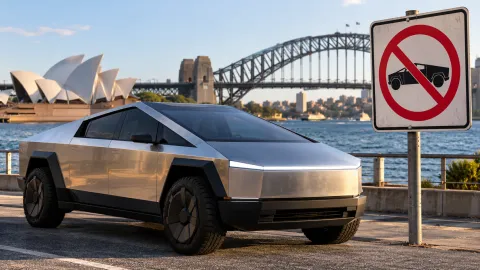
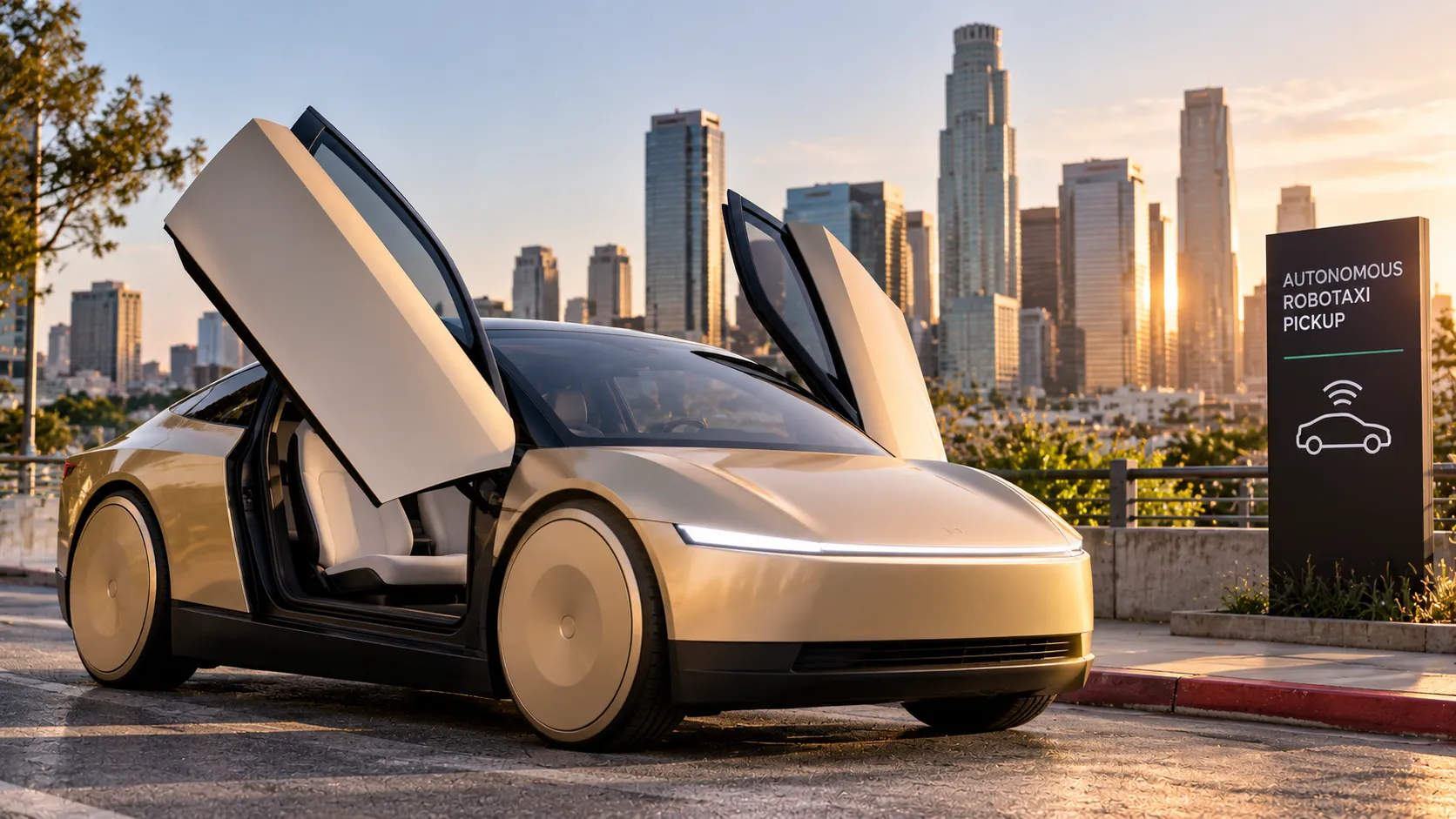
The Cybercab is designed specifically for autonomous transportation. Its gold-colored body features two seats, butterfly doors, and no steering wheel, pedals, or conventional mirrors. Unlike Tesla’s current passenger vehicles, it isn’t intended for manual driving.
Moravy said Tesla wants to begin customer deliveries before December 31, 2026. The company would then increase production and distribution as it gains experience managing privately owned autonomous vehicles.
However, CEO Elon Musk indicated that Tesla would retain ownership of most Cybercabs. Those vehicles would operate within the company’s ride-hailing network rather than be sold to private owners.
The distinction matters because customer sales and commercial robotaxi operations involve different requirements. Private buyers would need access to suitable operating areas and approved autonomous driving capabilities. Tesla has not explained how widely customer-owned Cybercabs could operate at launch.
TechAmerica.ai previously examined these challenges in its coverage of the Cybercab’s commercial launch in Austin.
Federal Safety Investigation Raises Regulatory Questions
The National Highway Traffic Safety Administration opened an investigation into Tesla’s Cybercab on September 4, 2026. The inquiry followed the vehicle’s initial commercial deployment in Austin, Texas.
The investigation concerns Tesla’s certification that the Cybercab meets applicable Federal Motor Vehicle Safety Standards. These regulations include requirements originally developed for vehicles with human drivers.
In its official announcement, NHTSA said it would examine Tesla’s technical compliance assessment. Investigators are reviewing whether the company correctly determined that certain safety requirements do not apply.
Unlike many countries, the United States generally allows manufacturers to certify their own vehicles. Regulators can subsequently investigate whether those certifications meet federal requirements.
NHTSA has proposed regulatory changes to accommodate vehicles without traditional driving controls. However, it has not finalized those changes. Existing safety standards remain in effect, and Tesla must respond to the investigation by October 30, 2026.
The inquiry does not automatically establish that Tesla violated federal regulations. It does create uncertainty about the company’s ability to expand Cybercab deliveries and operations.
TechAmerica.ai previously reported on the NHTSA Cybercab investigation and the questions surrounding Tesla’s vehicle certification.
Tesla Plans to Expand Robotaxi Operations Beyond Austin
Tesla began offering paid Cybercab rides in Austin in September 2026. The service initially involved a small number of vehicles operating within a limited area.
The company’s robotaxi network also includes modified Model Y vehicles. Some operate with human safety monitors, making their deployment different from the purpose-built Cybercab.
Tesla AI chief Ashok Elluswamy said securing regulatory approvals remains a major priority. He suggested that manufacturing expansion would be relatively straightforward once deployment requirements are addressed.
According to Reuters, Tesla also plans to extend Cybercab service to Dallas in November 2026. The company expects the purpose-built vehicle to become central to its future robotaxi operations.
That expansion remains a company target, not a completed rollout. Tesla must demonstrate that its autonomous driving system can operate safely and comply with applicable regulations.
What the Cybercab Sales Plan Means for Buyers
Tesla’s latest announcement suggests that some customers could own a vehicle designed entirely around autonomous driving. However, significant purchasing details remain unavailable.
The company has not confirmed a final retail price, ordering process, geographic restrictions, or customer eligibility requirements. It also has not set a timeline for when privately owned Cybercabs could operate beyond approved service areas.
For now, Tesla’s year-end sales target depends on regulatory compliance and its ability to manage customer deliveries. The ongoing NHTSA investigation will be a key factor in how quickly the Cybercab reaches a broader market.