Adobe AI agents are expanding across Creative Cloud as the company introduces new editing tools and support for the Model Context Protocol (MCP). The updates, announced Nov. 10 at Adobe MAX 2026, bring more automation to professional creative applications.
The expansion covers Photoshop, Premiere, Illustrator, InDesign and Firefly. New capabilities include automated image adjustments, video editing, creative prototyping and conversational controls.
Adobe’s MCP integration will also allow third-party AI assistants to interact with selected application functions. This could reduce the need to switch between editing software and conversational AI tools.
Adobe AI Agents Expand Across Creative Cloud
Adobe is bringing more automated editing features to its Creative Cloud applications. The updates focus on helping users complete specific creative tasks through simpler controls and AI assistance.
Photoshop is gaining an AI-powered relighting feature that adjusts lighting within images. New sliders will also let users refine generative styles without repeatedly rewriting text prompts.
Premiere is introducing an updated color grading system designed for professional video editors. An additional AI feature will help remove unwanted objects from video footage.
Lightroom is receiving tools to correct closed or blinking eyes in photographs and remove blemishes. These functions automate selected adjustments that previously required more manual work.
Adobe is also expanding AI capabilities across Illustrator and InDesign. The broader update brings automated assistance into more parts of the company’s professional design workflow.
Firefly Adds Prototyping and AI Video Tools
Adobe Firefly is gaining new creation and editing capabilities, including a prototyping tool called Builder. The feature is entering private beta and lets users develop visual concepts to present design ideas.
Builder moves Firefly beyond generating individual images and videos. It introduces workflows for assembling designs and testing creative concepts before production.
Adobe is also adding a tool for creating charts that follow established brand styles. Another image-editing feature lets users modify selected areas without changing unrelated objects.
These controls address a limitation of many generative AI tools. Changing one part of an image can sometimes affect surrounding content, even when users want to preserve those elements.
Firefly is also receiving a video assembly tool. It can combine existing clips, images and sound effects into a video sequence using AI assistance.
Creative Agents Become More Proactive
Adobe is developing its creative agents to assist in the editing process rather than only responding to individual commands.
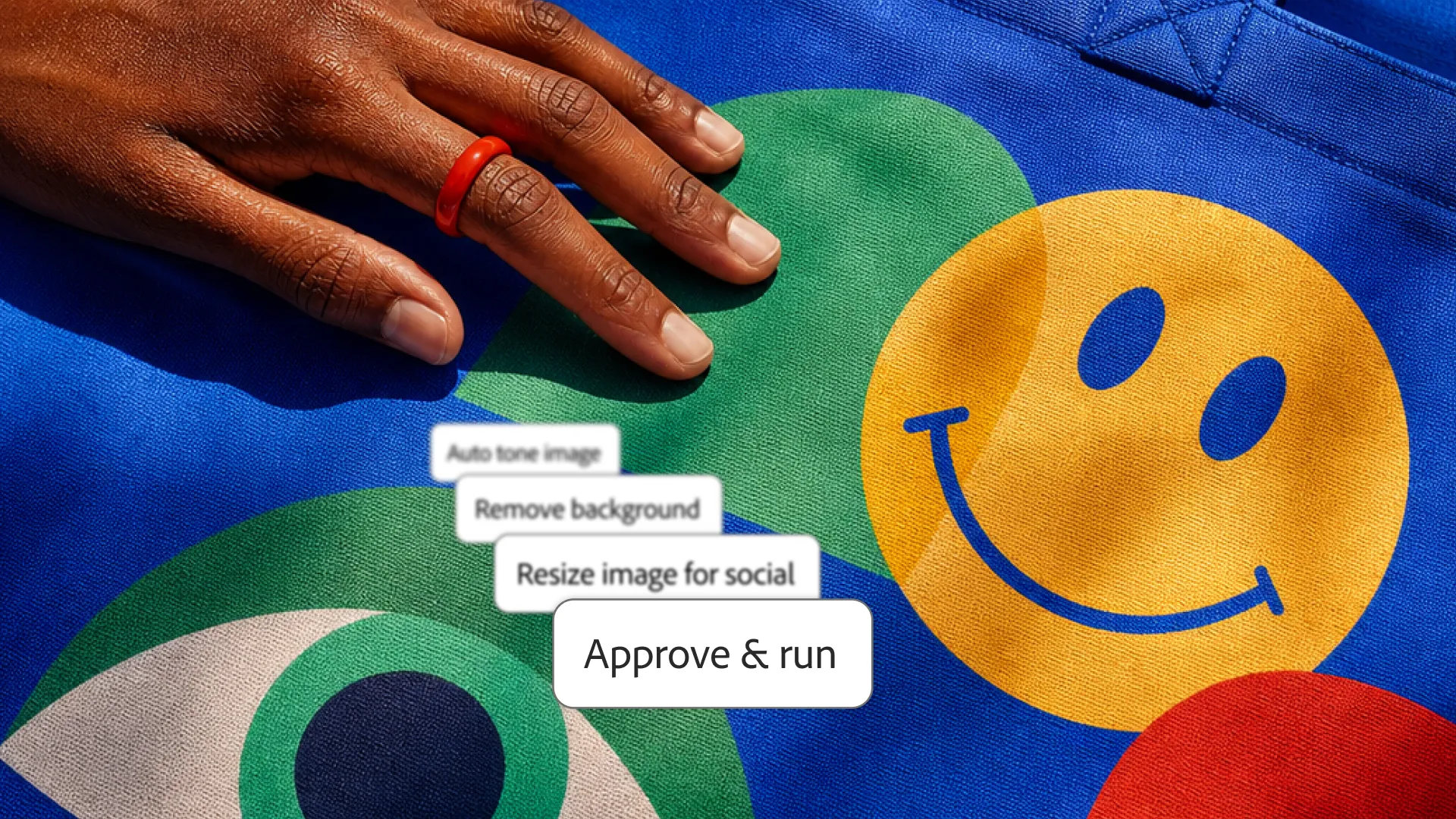
The updated approach gives agents more context about ongoing work. They can identify relevant actions and help users complete tasks such as removing backgrounds or generating thumbnails.
Adobe previously introduced the Firefly AI Assistant to coordinate tasks across multiple creative applications. The latest changes extend that approach through more specialized editing features.
The company is also expanding its collection of supported third-party AI models. Existing integrations include technologies from Google, Runway, OpenAI, ElevenLabs, Kling and other developers.
Topaz Labs, an Adobe acquisition, is introducing two additional image models. Wonder 4 focuses on image upscaling and noise reduction. ImageHDR converts standard images into high-dynamic-range content.
Adobe Introduces Local MCP Integration
Adobe’s new local Model Context Protocol integration is another major part of the announcement. MCP provides a standardized way for AI assistants to communicate with external tools and services.
The integration is designed to expose selected Adobe application functions to assistants such as ChatGPT, Claude and Gemini.
Rather than generating a separate image, an assistant could potentially perform supported editing operations inside an existing creative project. This would allow users to combine conversational instructions with native application capabilities.
Adobe is initially exposing functions across Photoshop, Illustrator, After Effects and Premiere. The company has not finalized which capabilities will become accessible through the interface.
Adobe Vice President Deepa Subramaniam said the company is evaluating how users interact with the available endpoints. Feedback will help determine which functions to add.
The local integration differs from Adobe’s existing chatbot connections. It is intended to provide deeper access to professional editing tools and native creative workflows.
Adobe has already introduced similar external integrations. In September, the company announced plans to bring Photoshop and Firefly tools into Slack AI, allowing teams to perform creative tasks through workplace conversations.
Availability and Remaining Limitations
The announcements cover products at different stages of development. Some features are being introduced into existing applications, while others remain previews or private beta releases.
Adobe has not provided a complete availability schedule for every new capability. It has also not finalized the full range of functions third-party assistants can access through MCP.
For professional users, the distinction between automated editing and editable project files remains important. Native application access allows creative work to continue within established software instead of relying entirely on generated outputs.
The MAX announcements expand Adobe’s AI strategy across image editing, video production, prototyping and application integrations. The extent of third-party agent access will depend on future MCP development and the functions supported by applications.