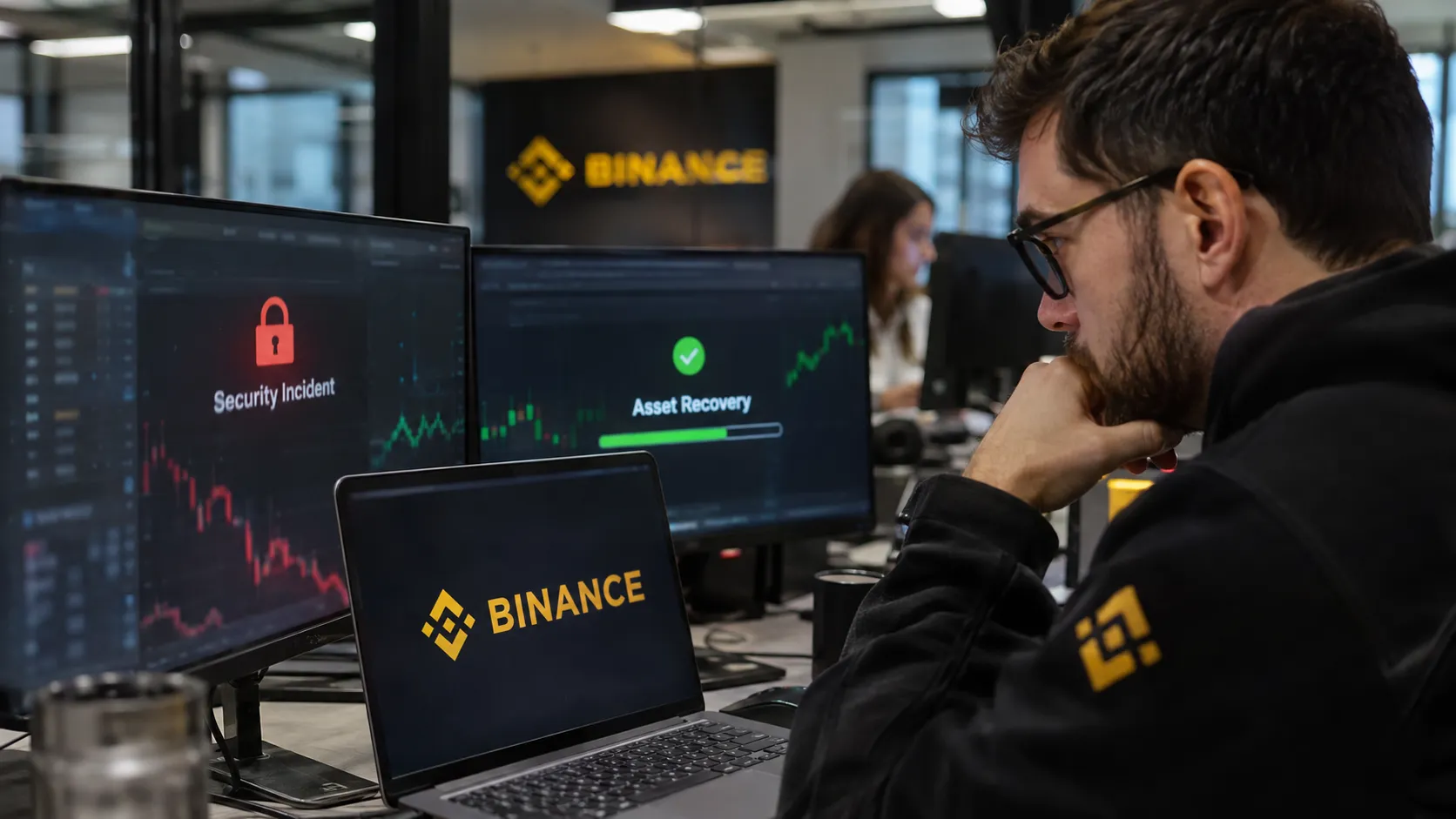
The Binance hack that stole about $6.3 billion in cryptocurrency has prompted the exchange to replace most of the stolen assets with its own funds. Binance said Saturday, October 31, that it had replenished 90% of the affected holdings and would continue buying replacement tokens until it covered the remaining losses.
The exchange has allocated approximately $6.34 billion to address the Breach. Binance co-CEO Richard Teng said customers would not be responsible for the losses. The company also expects to resume customer withdrawals Sunday, November 1, after temporarily suspending them following the attack.
Binance Hack Recovery Reaches 90% as Replacement Purchases Continue.
In its October 31 recovery update, Binance said the replenishment rate rose from about 80% to 90%. The company has been purchasing replacement cryptocurrencies through regular markets and over-the-counter transactions.
The outstanding 10% consists of tokens with relatively limited liquidity. Acquiring large quantities of these assets may take longer because fewer tokens are readily available. Binance said it was working with industry partners to obtain the remaining holdings.
The exchange identified three funding sources: its Secure Asset Fund for Users (SAFU), its Futures insurance fund and its corporate treasury. SAFU is an emergency reserve established to protect customers during exceptional events, including security incidents. Binance said the Futures insurance fund would retain the reserves required under its risk management framework.
Compromised Laptop Linked to the $6.3 Billion Breach
The incident has raised questions about the security controls protecting major cryptocurrency platforms. According to Reuters reporting, Teng described an attack involving a compromised laptop and malicious software designed to erase evidence of its activity.
Security analysts have attributed the theft to North Korea, although the exchange’s recovery announcement did not independently establish who carried out the attack. Cryptocurrency prices declined Friday as Binance worked to reassure customers about their holdings.
The Breach also interrupted withdrawals, leaving customers temporarily unable to transfer funds off the platform. Binance said its recovery preparations remained on schedule and that withdrawals were expected to reopen November 1. The company had not yet confirmed the precise arrangements for restoring the service.
Binance Publishes Updated Proof of Reserves
Alongside its recovery announcement, Binance completed a new proof-of-reserves snapshot on October 31. The process records the exchange’s asset holdings and lets customers verify whether sufficient reserves back their balances.
Binance said ten cryptocurrencies were fully backed: Bitcoin (BTC), Ether (ETH), Tether (USDT), BNB, Solana (SOL), USD Coin (USDC), XRP, USD1, RLUSD and Zcash (ZEC). The company expects customers holding these assets to verify a minimum 1:1 backing ratio once the complete cryptographic proof becomes available.
Generating that proof is expected to take approximately 40 to 50 hours, with publication targeted for November 3. The updated reserve information lets users examine asset backing. However, it does not independently establish how the attackers accessed the platform or whether it has resolved every security weakness.
Customer Withdrawals Remain the Next Test
Replacing the stolen assets addresses the immediate financial shortfall, but restoring normal operations remains important for Binance customers. The exchange must still acquire the less-liquid tokens and complete its announced withdrawal restoration.
Binance has committed to absorbing the financial impact rather than passing the losses to users. Its next recovery milestones are the scheduled reopening of withdrawals, completion of the outstanding token purchases and publication of verifiable reserve data. Those developments will help customers assess how effectively the exchange has recovered from one of cryptocurrency’s largest security breaches.