OpenAI has introduced ChatGPT Wallet, a payment feature that lets AI agents shop online and complete purchases on users’ behalf. The system connects to the company’s dot agents and requires customers to approve each transaction before payment.
The November 13 launch initially targets ChatGPT Pro subscribers aged 18 and older in the United States. Eligible users must have a U.S.-issued Visa, Mastercard or American Express card. Availability is limited as OpenAI tests the technology with customers and merchants.
Unlike conventional shopping assistants that recommend products, ChatGPT Wallet supports the checkout process. An agent can research products, select items and prepare a purchase while the user retains control over the final payment.
How ChatGPT Wallet Handles AI Agent Payments
Users begin by adding an eligible payment card to ChatGPT Wallet. Once registered, they can ask their AI agent to find products and prepare orders without entering payment information each time.
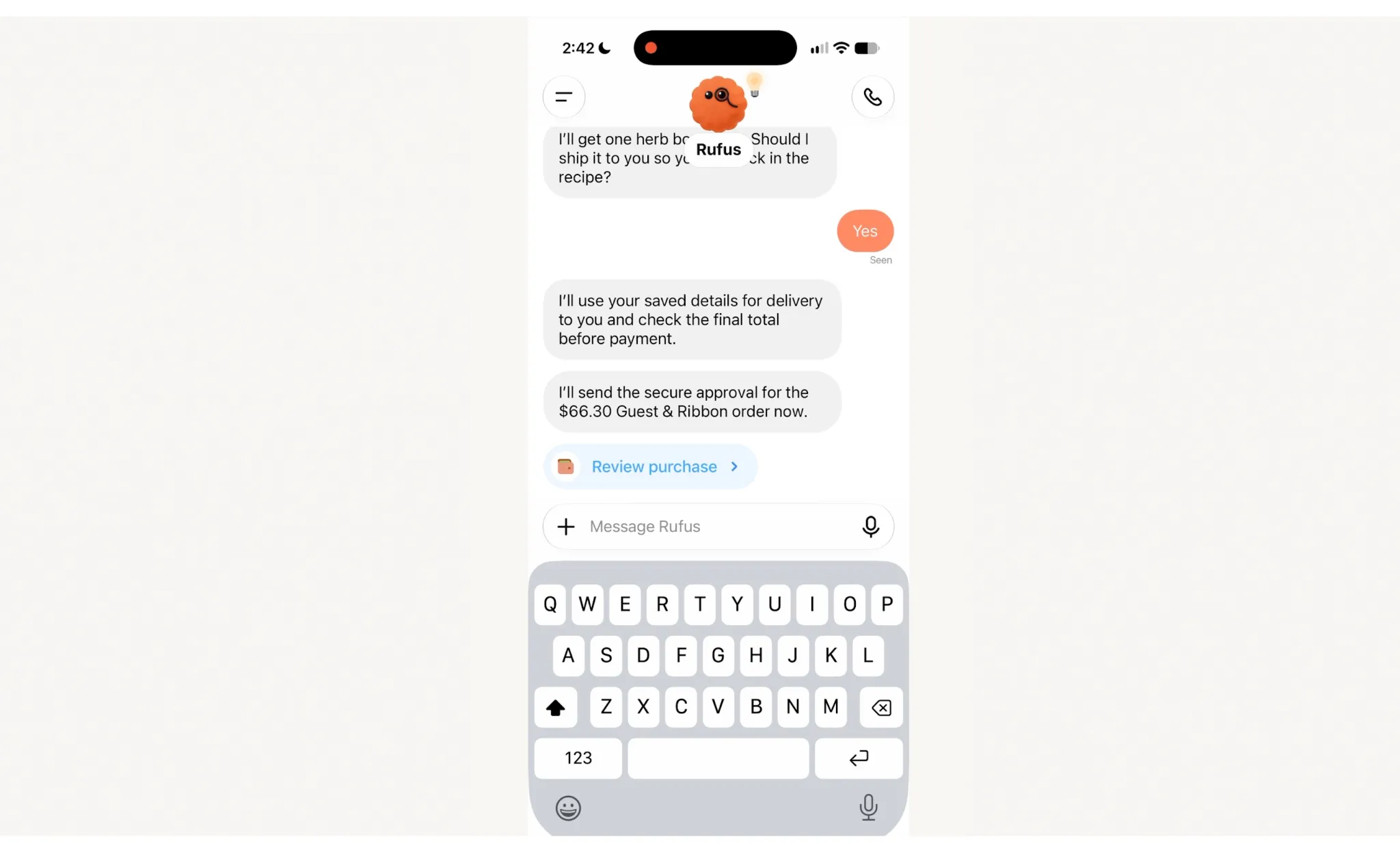
Before completing a purchase, the agent presents the selected items, total price and payment card for review. The customer must approve the transaction through a security check, such as facial recognition or fingerprint authentication.
After authorization, the payment network generates a token containing substitute payment credentials. The agent and merchant never receive the customer’s actual card information.
In its official announcement, OpenAI said it developed the system with American Express, Mastercard, and Visa. Customers retain eligible card rewards and existing dispute protections.
Merchants continue processing orders through their existing payment systems. They receive the shipping and contact information needed for fulfillment while remaining responsible for pricing, delivery, returns and customer service.
OpenAI Brings Shopping Capabilities to Dots Agents
ChatGPT Wallet builds on OpenAI’s dots platform, introduced in September. Dots are personal AI agents designed to perform tasks across websites, applications and connected services.
Rather than requiring users to navigate every stage of an online purchase, a dot can investigate options and prepare checkout using the customer’s instructions.
The company currently requires approval for every transaction. OpenAI plans to introduce broader purchasing permissions that could allow users to authorize certain purchases in advance.
Those future controls may include spending limits, product categories and specific purchasing periods. OpenAI has not announced when those capabilities will become available.
The launch places OpenAI alongside other companies developing automated shopping software. Personal AI agent Instinct has also demonstrated AI-assisted purchasing capabilities, allowing users to delegate shopping tasks to software.
Retailers Are Restricting Some AI Shopping Agents
One obstacle for ChatGPT Wallet is that not every retailer permits autonomous software to browse its website or complete transactions.
A November Business Insider report documented restrictions imposed by Amazon, eBay, Booking.com, United Airlines and other companies. Their policies vary, ranging from blocking unauthorized agents to requiring approved integrations.
Some retailers cite security, privacy and regulatory concerns. Others want tighter control over how outside software accesses customer accounts and purchasing systems.
TechAmerica previously examined website restrictions affecting AI agents, including difficulties caused by anti-bot systems and automated traffic controls.
Those barriers could prevent a legitimate shopping agent from finishing a purchase even when the customer has authorized it.
OpenAI Releases Commerce Tools for Businesses
Alongside the wallet, OpenAI introduced guidance intended to help retailers support customers using AI agents.
The company’s commerce documentation explains how businesses can provide accurate product information, configure agent access and integrate purchasing workflows.
Merchants can use authenticated agent requests to distinguish authorized assistants from suspicious automated traffic. Payment providers may also need to adjust fraud detection systems that could otherwise reject legitimate agent purchases.
OpenAI is working with payment processors and fraud prevention companies to improve transaction compatibility. The company says existing checkout systems can accept wallet payment tokens without requiring merchants to build an entirely new payment service.
Some commerce platforms are already adapting. TechAmerica recently reported on Shopify’s support for browser-based AI checkout, which allows authorized agents to complete purchases through participating merchants.
OpenAI’s initial rollout remains restricted to eligible U.S. Pro subscribers. The company has not announced broader international availability or a date for expanding the feature to other subscription plans.