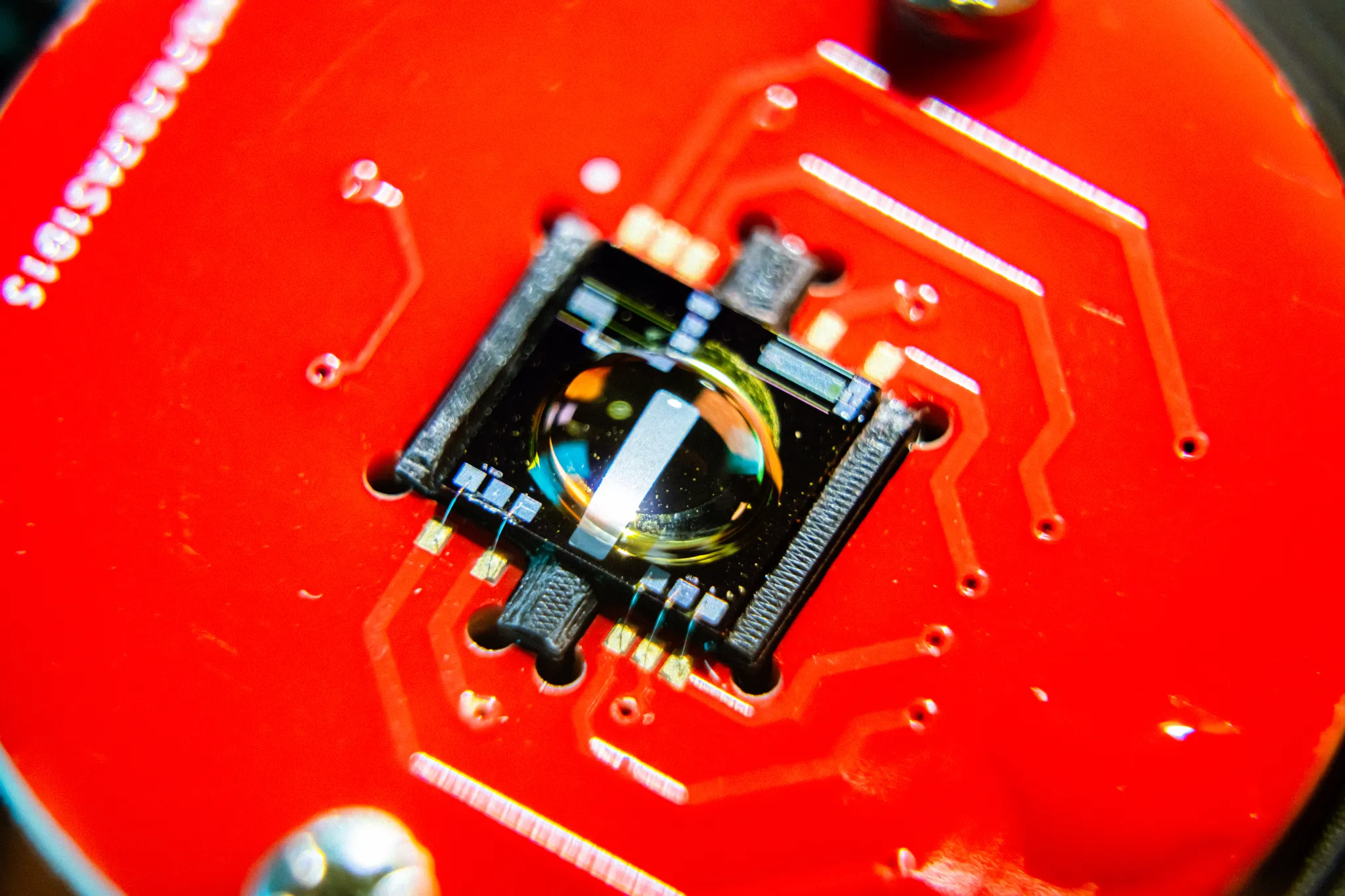
Omen AI Acquires Aquatic Labs in a $16 million cash-and-stock deal to improve how data centers monitor cooling fluids. The acquisition combines two sensor technologies designed to detect water quality problems before they cause equipment failures or costly shutdowns.
Founded in 2024, Omen AI develops sensors that continuously analyze cooling fluids inside data centers. The company raised $31 million in Series A funding in June 2026. Its technology aims to replace laboratory testing, which can take several days to produce results.
Omen AI Combines Two Water Monitoring Technologies
Omen’s sensors monitor elements and biological contaminants in cooling fluids. Aquatic Labs developed technology that measures alkalinity, helping operators identify chemical conditions associated with corrosion and mineral buildup.
Combining these capabilities could provide a more complete picture of fluid conditions. Operators could identify changes without repeatedly collecting samples for laboratory analysis.
Aquatic Labs founder Allan Adams will join Omen as chief science officer. A physicist and former MIT professor, Adams previously researched ocean sensing technology at the Woods Hole Oceanographic Institution.
The combined engineering teams are developing an integrated sensor, with commercial availability targeted for early 2027. Omen founder and CEO Zach Laberge said the acquisition would help accelerate automated cooling-fluid monitoring.
Reducing Water Waste and Data Center Downtime
U.S. data centers consume an estimated 17 billion to 19 billion gallons of water annually for cooling, according to The Water Foundation. Demand is expected to increase as AI computing infrastructure expands.
Cooling systems require careful monitoring because contamination or chemical imbalances can damage equipment. When fluid conditions become unsafe, operators may drain and replace the water, potentially interrupting operations.
Continuous monitoring could help facilities retain cooling fluids longer while reducing maintenance costs. The approach complements other efforts to improve data center cooling efficiency.
Laberge expects Omen’s initial sensors to monitor AI chips drawing 250 to 300 megawatts by the end of 2026. He estimates those computing installations represent $5 billion to $7 billion in infrastructure investment.
The company aims to expand monitoring to the equivalent of 1 gigawatt of chip capacity by the end of 2027. These figures are deployment targets, not completed installations.
Despite growing investor concerns about AI infrastructure spending, Laberge expects demand from existing data centers to continue. He said many customer projects were financed before the recent market uncertainty, limiting its immediate effect on Omen’s business.