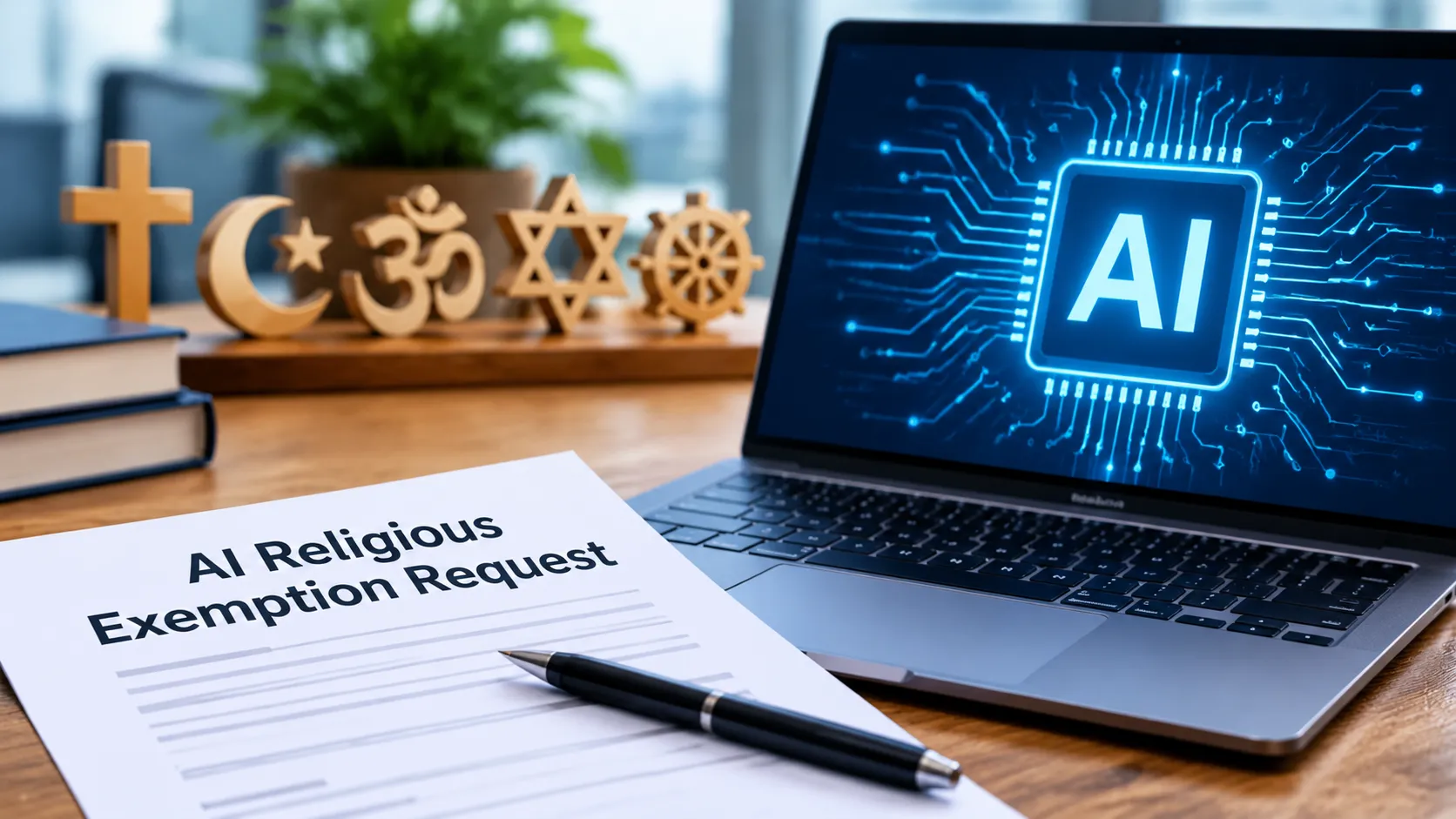
A University of Kentucky administrator has secured an AI religious exemption that lets him avoid using artificial intelligence at work. David Durman, a nontheistic humanist, received the accommodation despite not believing in God.
The decision highlights how workplace religious protections can apply to deeply held ethical beliefs, including those outside traditional religions. Durman argues that relying on AI conflicts with his convictions about human reasoning, creativity and responsibility.
AI Religious Exemption Granted Over Humanist Beliefs
Durman sought assistance from the American Humanist Association (AHA), a nonprofit that advocates for humanists, atheists, and other nontheistic Americans.
According to the organization’s statement, Durman requested a workplace accommodation in August. University officials approved it on September 25 after determining that it would not impose an undue burden on his department.
Durman believes that human judgment and independent thinking are essential to ethical responsibility. He also raised concerns about AI’s environmental costs, effects on employment, and the potential displacement of human creativity.
His concerns reflect a broader debate over the technology. Pope Leo XIV has warned about AI’s growing influence on society and human dignity. He has also questioned AI-generated art and its relationship to human creativity.
Religious Protections Can Apply Without Belief in God
Title VII of the Civil Rights Act protects employees against religious discrimination. Its protections can extend to sincerely held nontheistic beliefs, although employers assess accommodation requests individually.
Alexandria Huiskens, an AHA staff attorney, said humanist belief systems can qualify for the same workplace protections as traditional religions.
Durman’s case follows a similar pattern to another accommodation involving software engineer Erin Maus, a Unitarian Universalist. As Futurism previously reported, Maus received permission to perform her programming work without AI assistance.
Neither case establishes an automatic exemption for employees who dislike AI. Requests depend on sincerely held beliefs, job requirements and whether a reasonable accommodation can be provided.
University Says Accommodation Does Not Affect Job Duties
Durman works in research administration, helping University of Kentucky researchers pursue grant funding. His responsibilities have not required AI use, although colleagues and supervisors have encouraged employees to explore the technology.
He sought the accommodation partly because those recommendations could eventually become workplace requirements.
University spokesperson Jay Blanton said officials reviewed Durman’s request and his responsibilities and determined that he could continue performing his essential duties. The university may reconsider the arrangement as technology and job requirements change.
Durman said he is not seeking to influence how others use AI. Instead, he hopes his experience encourages employees with similar convictions to raise their concerns through appropriate workplace channels.