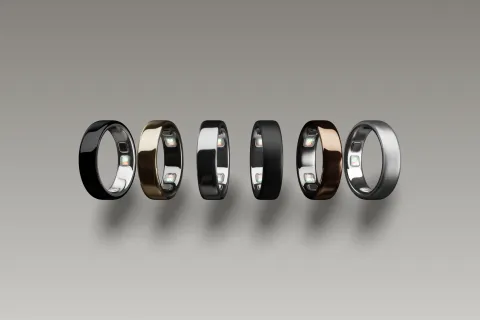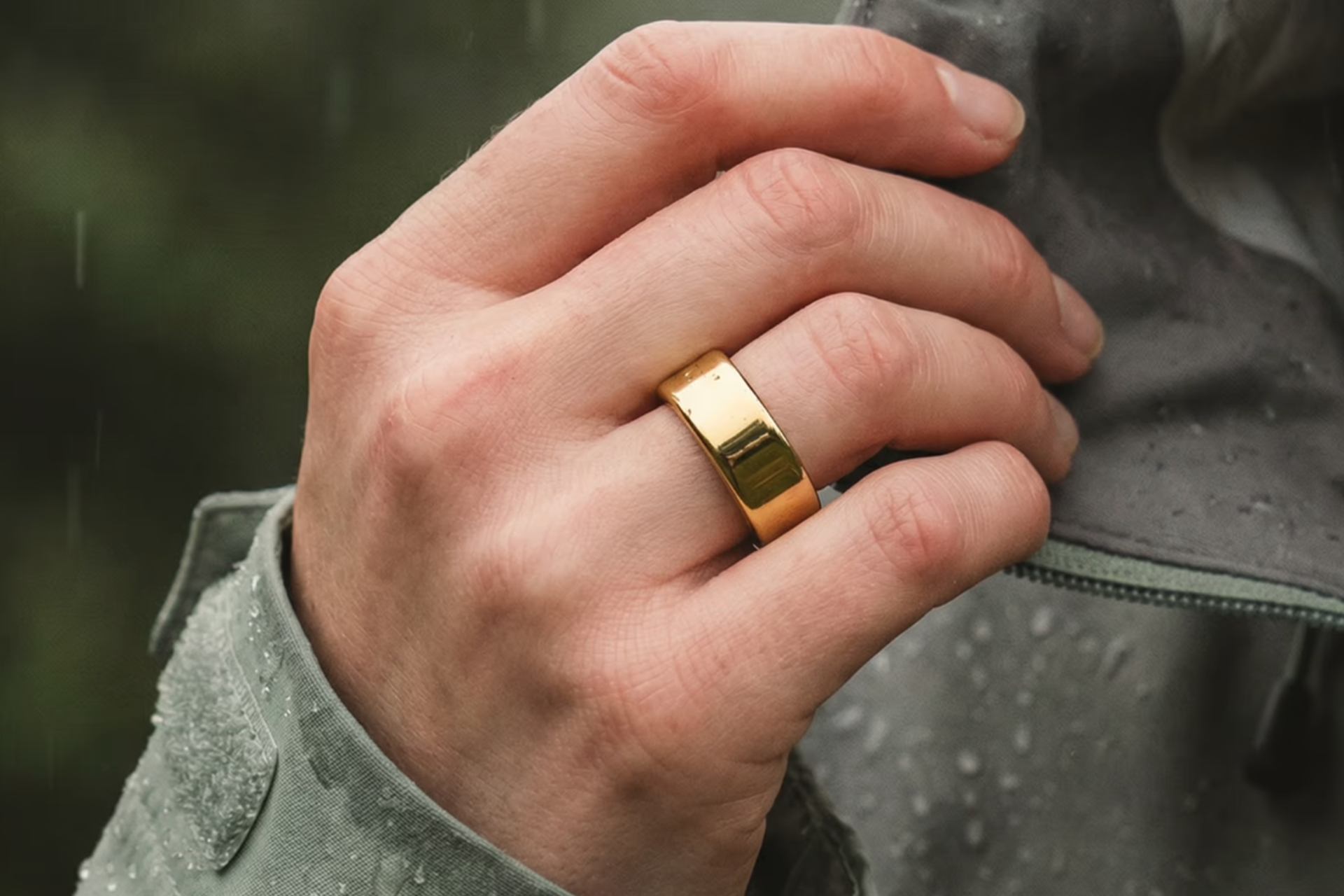
Oura’s patent lawsuit against Ultrahuman now targets the Indian company’s redesigned Ring Pro. Oura filed a complaint in federal court in Texas on Oct. 22, seeking damages and an injunction against U.S. sales. It alleges that the ring infringes two patents covering its appearance and internal components.
The lawsuit threatens Ultrahuman’s return to the American market following an earlier import ban. The Bengaluru-based company launched Ring Pro in February and received clearance from U.S. Customs and Border Protection in March. Ultrahuman says the new lawsuit has not affected current sales.
What the Oura Patent Lawsuit Against Ultrahuman Alleges
Oura cites design patent D804,471 and utility patent 12,769,363. The second patent covers technology involving a curved battery, circuit board, magnets and sensors. It was issued Oct. 20, just two days before the complaint.
The case also names SVTronics, a Texas electronics manufacturer. Oura alleges that SVTronics makes Ring Pro devices in Plano under Ultrahuman’s direction. It accuses both companies of infringement through manufacturing, importing and selling the ring.
Oura says the March customs clearance addressed only a patent from its previous dispute with Ultrahuman. That earlier case involved the Ring Air and led to import restrictions after an August 2025 International Trade Commission ruling. Oura described the ruling in its ITC case announcement.
The companies’ legal conflict began in 2023. Oura later filed an ITC complaint in 2024, as detailed in its patent-dispute update. The two patents asserted against Ring Pro are separate from the earlier customs decision. Oura maintains that Ultrahuman’s redesign still uses its patented technology.
Ultrahuman co-founder and CEO Mohit Kumar rejected the new allegations. He said the company would defend its position in court. “There is no court order affecting Ring Pro, and it remains available to customers in the U.S.,” Kumar said.
Oura’s Wider Smart Ring Patent Disputes
Oura has also pursued patent claims against Samsung, RingConn, Circular and Zepp Health. Its dispute with Samsung over the Galaxy Ring is one of several cases involving competing wearable devices. Oura previously sued Circular over a rival biosensing ring and its app.
Other enforcement efforts have involved Samsung, Reebok, Zepp Health and Nexxbase. Some disputes have ended in licensing deals. RingConn signed a multi-year agreement that allows it to continue selling smart rings in exchange for royalty payments.
Competition and Financing in the Smart Ring Market
IDC expects global smart ring shipments to rise 12.8% in 2026 to 4.9 million units. Shipments could reach about 6.3 million by 2030, according to the research firm’s wearables market outlook. Oura remains a major competitor as other manufacturers expand their offerings.
The lawsuit follows Oura’s decision to postpone its planned $2.2 billion IPO, citing market uncertainty. Oura has also introduced new cardiovascular fitness metrics to help customers understand workout intensity and aerobic fitness.
Ultrahuman raised $70 million in September from investors including Qualcomm Ventures and Labcorp. The funding valued the startup at approximately $365 million. It is also working with Qualcomm on a ring that can run more software directly on the device. The project could support AI interactions and gaming alongside health tracking.
Oura’s request for a permanent injunction remains unresolved. Ultrahuman says Ring Pro remains available in the United States while it contests the allegations.