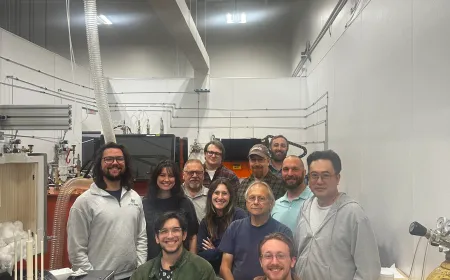
Pascal has raised $8.5 million to advance its solid-state cooling technology for refrigerators and heat pumps. The startup is developing a system that combines carbon dioxide with specialized materials to move heat more efficiently.
Sazze Partners and LB Investment co-led the seed extension, with participation from KDB Silicon Valley. Pascal says its technology could improve cooling efficiency by approximately 20% compared with conventional systems.
The company has also secured a pilot agreement with a multinational beverage manufacturer. It plans to deliver a prototype in early 2027, followed by more refined refrigerators in 2028.
How Pascal solid-state cooling technology works
Conventional refrigerators and heat pumps rely on circulating refrigerants that absorb and release heat as they change pressure and temperature. These systems have operated on similar principles for more than a century.
However, many traditional refrigerants have serious environmental drawbacks. Older chemicals, including chlorofluorocarbons, damaged the ozone layer. Later replacements, such as R-134a, can contribute substantially to global warming when released into the atmosphere.
Pascal is pursuing a different approach using a proprietary porous solid material and pressurized carbon dioxide. The company aims to reduce dependence on conventional refrigerant gases while improving energy efficiency.
Its technology emerged from research conducted by co-founders Adam Slavney and Jinyoung Seo at Harvard University. The researchers noticed unexpected differences in their experimental measurements after switching the gas used in testing equipment.
Further experiments revealed that gas interactions with certain solid materials could offer an alternative refrigeration method. The team spent roughly one to two years confirming the underlying mechanism.
Instead of mechanically compressing a solid block, Pascal introduces pressurized carbon dioxide into a cartridge containing sponge-like material. Gas molecules enter microscopic pores and transfer energy to the material, warming it.
A heat exchanger then removes the generated heat. Reversing the process allows the material to absorb heat, producing the cooling effect.
The proposed refrigerator uses two cartridges working together. One absorbs heat from the refrigerated compartment, while the other releases heat into the surrounding air. The system periodically reverses the cycle to maintain cooling.
Lower operating pressures could reduce costs
Some experimental solid-state refrigeration systems require demanding operating conditions or specialized mechanical equipment. Pascal says its materials can transfer heat effectively without those requirements.
The company is designing its system around conventional industrial components. Slavney believes this approach could lower manufacturing costs and support broader commercial adoption.
Durability is another important consideration. According to Slavney, Pascal has tested its material through approximately 300,000 operating cycles. He estimates that this represents roughly one year of use.
Those laboratory results are encouraging, but commercial performance remains unproven. Thecompany’ss projected 20% efficiency improvement will require validation under practical operating conditions.
Investment in heat-pump efficiency is also attracting other startups. Reservoir raised $8 million to expand smart heat-pump water heaters that use predictive software to manage energy consumption. Pascal, by comparison, is focused on changing the materials and mechanisms used for heat transfer.
Commercial pilot marks next development stage
Pascal’s recent customer agreement helped accelerate its latest fundraising. Slavney said the company secured the contract earlier than expected, creating an opportunity to finance further development.
The startup is initially targeting refrigeration, including beverage equipment. Its underlying technology could also be adapted for heat pumps and other heating and cooling applications.
Co-founder Slavney serves as CEO, while Seo is chief technology officer. Their work combines materials research with engineering to turn laboratory findings into commercial cooling equipment.
The upcoming pilot will provide an important test of the technology outside the laboratory. Pascal must demonstrate that its system delivers consistent cooling, acceptable costs and reliable performance during everyday operation.
For now, the company’s efficiency claims remain targets rather than verified commercial results. Its planned 2027 prototype and subsequent refrigerator production will help determine whether the technology can scale.