A global food crisis could emerge in 2027 as rising energy prices, fertilizer shortages, and extreme weather pressure agricultural production. A new S&P Global analysis warns that disruptions to fuel and fertilizer supplies could reduce harvests and drive food prices higher, particularly in countries already struggling with food insecurity.
The warning comes as conflict in the Middle East disrupts energy shipments through the Strait of Hormuz, a major route for oil, natural gas and fertilizer exports. In an October 19 report, S&P Global researchers said higher farming costs, competition from biofuels and a powerful El Niño could combine to create a broader food supply problem.
Energy Disruptions Threaten Global Fertilizer Supplies
Fertilizer is one of the clearest links between the energy crisis and food production. Natural gas is essential to making nitrogen fertilizer, while sulfur and ammonia are important inputs for agricultural chemicals. Disruptions to these supplies can increase costs even in countries far from the conflict.
According to S&P Global, approximately 29% of globally traded urea normally passes through the Strait of Hormuz. The waterway also handles nearly half of global sulfur trade and roughly 21% of merchant ammonia shipments. Shipping restrictions have therefore affected more than just conventional energy markets.
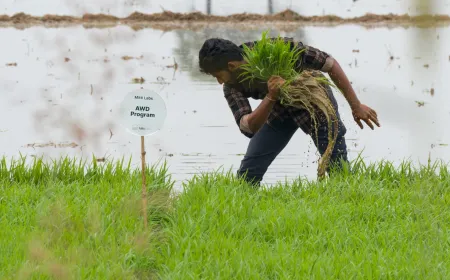
South Asian countries face particular difficulties because they depend on imported fertilizer and natural gas. India relies heavily on liquefied natural gas for domestic urea production, while Bangladesh has experienced major disruptions in fertilizer production. Higher costs or reduced availability could force farmers to limit fertilizer applications, potentially weakening crop yields.
Diesel Shortages Add Pressure on Farmers
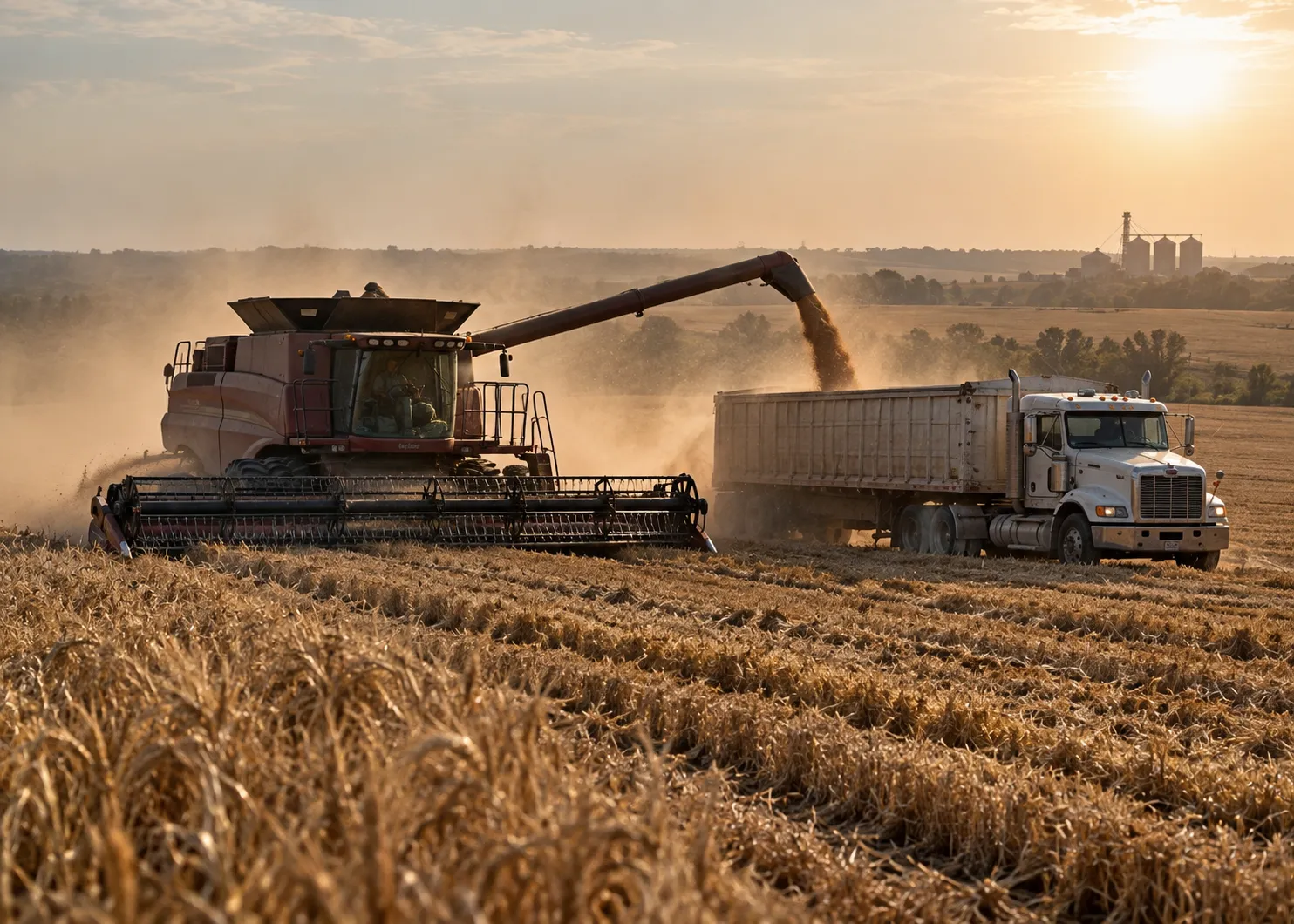
Fuel prices are creating a separate problem for agricultural producers. Diesel powers tractors, irrigation equipment, harvesting machinery and the trucks that transport crops to processing facilities and markets. When diesel becomes scarce or expensive, farmers face higher costs throughout the growing season.
S&P Global reported that the price difference between crude oil and diesel rose above $100 per barrel in early September 2026. That compares with a historical range of roughly $12 to $20. Supply disruptions in the Middle East and Russia have pressured diesel markets.
These conditions can influence planting decisions. Farmers facing expensive fuel and fertilizer may cultivate less land or buy fewer agricultural inputs. Technology could help some producers manage costs, as precision fertilizer application systems for corn farming are being developed. However, such tools cannot immediately replace disrupted global supplies.
El Niño Raises Global Food Crisis Risks
Weather is another major concern. The 2026-27 El Niño is expected to alter rainfall and temperature patterns across important agricultural regions. Drought in some areas and excessive rainfall in others could damage crops as farmers already face higher production costs.
S&P Global has lowered its forecast for Brazilian corn production by 6 million metric tons to 137 million metric tons. Its analysis suggests another 10 million metric tons could be lost if El Niño intensifies. Australian wheat production could also fall to 22 million metric tons, compared with a current forecast of 28 million metric tons.
Brazilian soybean production faces similar uncertainty, while palm oil output in Indonesia and Malaysia could suffer. These commodities matter to international food markets because they are used in animal feed, cooking oils, and processed foods.
The Famine Early Warning Systems Network has also warned that El Niño could worsen food insecurity during 2027, particularly in parts of eastern and southern Africa. Its assessment highlights how weather-related production losses can affect vulnerable populations months after the initial disruption.
Biofuel Demand Adds Competition for Agricultural Crops
Higher petroleum prices can also strengthen demand for biofuels made from crops and vegetable oils. Corn, soybeans, and other agricultural commodities serve both food and energy markets, creating competition when supplies tighten.
S&P Global researchers found that biofuels became cheaper than petroleum-based shipping fuels in Europe during September 2026. Continued demand for these alternatives could influence what farmers plant, especially when government policies encourage renewable fuel production.
This does not mean biofuel production will necessarily cause food shortages. However, strong demand from the energy sector could make it harder for food markets to adjust if poor harvests and rising farming costs reduce available supplies.
Why Food Prices Could Face Greater Pressure in 2027
The effects of rising agricultural costs are unlikely to appear immediately in grocery stores. Farmers often purchase fertilizer, fuel and seeds months before harvesting and selling their crops. Food processors, distributors and retailers may experience the financial consequences later.
In its October 2026 economic outlook, S&P Global identified energy costs, weather disruptions and fertilizer constraints as growing inflation risks. Food prices matter especially in lower-income economies, where households typically spend a larger share of their income on necessities.
The consequences could extend beyond higher grocery prices for consumers. Countries dependent on imported grain, fertilizer, or fuel may face higher import bills, while governments could face greater pressure to support farmers and vulnerable households.
A global food crisis remains a risk, not a confirmed outcome. Its severity will depend on how quickly energy and fertilizer shipments recover, whether farmers maintain production and how weather conditions affect major harvests. Still, geopolitical disruption and agricultural uncertainty give food markets a difficult outlook heading into 2027.