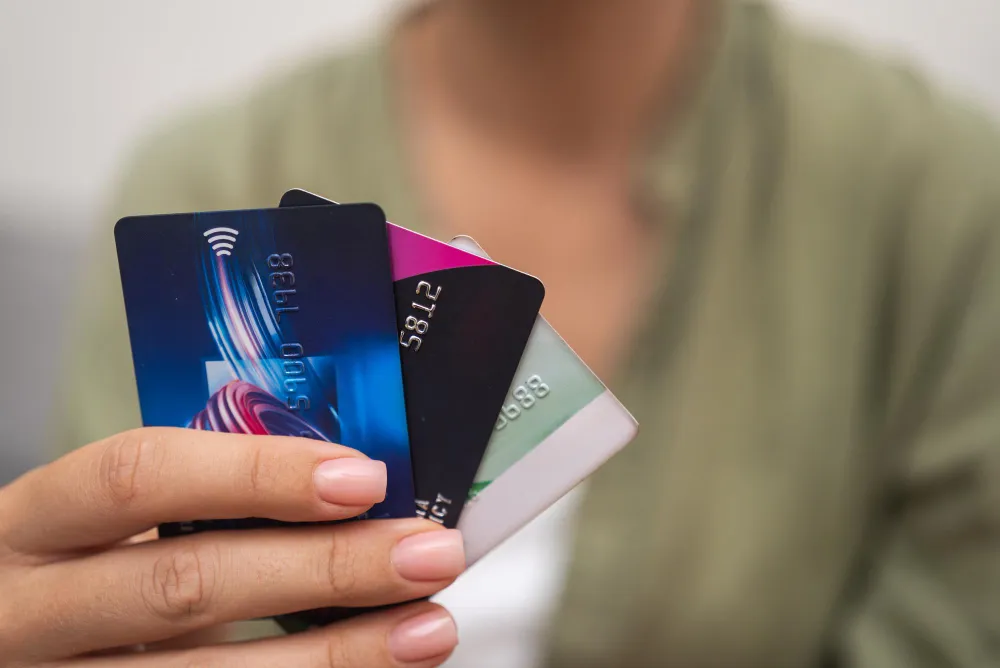
A shopper buys a replacement laptop charger from an unfamiliar website. At checkout, the site asks to store card details for faster future purchases. The buyer wants the item but would rather not leave a reusable payment number in another merchant’s database. Single-use virtual cards offer one way to separate that purchase from future card spending.
Instead of exposing the same card number for months, the issuer can provide temporary details linked to an existing account. Once an eligible payment uses those details, the issuer replaces or deactivates them under its rules. A merchant may still retain a record of the transaction, but the old number is less useful for initiating another independent purchase.
This protection is narrower than some advertisements suggest. A temporary number cannot verify whether a merchant is honest, correct a fraudulent order or guarantee a refund. Its value comes from limiting reuse of a credential, not from making an online transaction immune to mistakes or scams.
What Single-Use Virtual Cards Actually Are
A virtual card is a payment credential delivered digitally rather than embossed on plastic. It can have a card number, expiry date and security code that a shopper enters at an ordinary online checkout. The number is associated with an account or funding arrangement maintained by its issuer.
Some virtual cards retain the same details for repeated purchases. A disposable version is intended for limited use, often for a single eligible payment. After that payment, the issuer makes the displayed number unavailable for new, unrelated authorizations and provides a fresh credential for another purchase.
The precise trigger for rotation varies. Providers may use a completed authorization, a successful transaction, a time limit or another event defined in their program. Consumers should check the actual terms instead of assuming every card will rotate at the same stage of payment processing.
How a Temporary Card Number Connects to Real Money
Single-use virtual cards are not necessarily separate bank accounts with their own stored balances. In many designs, their details point to an existing debit, credit or other payment arrangement. The issuer maintains the association internally so an authorized transaction can reach the correct source of funds.
When a customer requests a virtual credential, the issuer creates or activates a card number under the applicable program. It applies controls such as account status, security verification and permitted transaction types. The user sees the temporary payment details through an authenticated application.
The number can function in familiar card-payment infrastructure. The merchant submits it through its acquiring and processing connections, while the issuing institution determines whether to authorize the request. The merchant does not need to know the underlying account identifier for the issuer to make that decision.
That separation is the main design advantage. It lets the customer expose a limited-purpose credential without giving every retailer the permanent card details used for other purchases.
What Happens at Checkout
Imagine a shopper entering a disposable number for a $45 online order. The merchant’s payment provider submits an authorization request with the amount, merchant data, and credential. The issuer checks whether the number is valid for the proposed transaction and whether the account can fund it.
If the payment is approved, the issuer may mark that disposable number as consumed and create new details for the next purchase. The existing transaction can still move through its normal lifecycle. Authorization, capture, settlement and a possible refund are not the same event.
Not every attempted transaction consumes a number. A rejected payment, a reversal or a timed-out response can produce different behavior depending on the program. The app should clearly explain which credential remains usable and what the customer needs to do next.
The card number may disappear quickly from the active display, but the financial records cannot. Both the issuer and merchant still need to reconcile the original order and resolve any later dispute.
Why Rotating Numbers Reduce One Kind of Exposure
A merchant breach can expose payment information that customers previously entered at checkout. If a stolen number remains valid for new transactions, criminals may attempt purchases elsewhere. Changing a credential after use can reduce that opportunity.
The protection is strongest against attempts to reuse the old number independently. The issuer’s enforcement rules matter: a changed display alone would accomplish little if the old details still authorized ordinary new purchases. Controls must operate in the payment authorization system.
Rotation does not stop attackers who obtain an active number before it is used, nor does it eliminate account takeover. Someone who gains access to a banking application may be able to create fresh virtual credentials directly—credential rotation and account security address different risks.
It is also inaccurate to say the merchant can never take another payment under any circumstances. Issuer policies, adjustments, linked authorizations and payment-network rules determine how a transaction can be completed or corrected.
Why a Virtual Number Is Not the Same as a Payment Token
A single-use card number and a network payment token can both reduce exposure of a primary payment credential, but they work differently. A disposable number is an issuer-managed card credential intended to be entered or submitted as a card number. A network token is a substitute value used under a payment-tokenization framework.
The payment tokenization standards framework describes tokens that a merchant, device or payment scenario can restrict. Many of those tokens are designed to remain usable for permitted future transactions rather than disappear after one purchase.
The distinction matters for stored cards and digital wallets. A device-bound token can allow repeated payments on an approved device while reducing exposure of the original account number. A single-use number instead limits the lifetime of the merchant-facing card details for its particular purchase.
Neither mechanism automatically authenticates the person using it. Token issuance, app access and the transaction itself still need appropriate security checks.
Reusable Virtual Cards Solve a Different Problem
A reusable virtual card keeps stable details so a customer can return to the same retailer or pay a subscription. Depending on the issuer, it may also support account-level limits, freezing, spending notifications, or separate credentials for different services.
Its advantage is continuity. The merchant can request later payments without asking the customer to enter a new number every month. This makes it better suited for scheduled bills and services where the final charge may not be known at the first interaction.
The trade-off is a longer period during which the credential could be exposed. Some issuers let users create separate reusable cards for particular merchants or purposes, which can make suspicious charges easier to trace and an affected credential easier to replace.
A disposable number is not universally safer in every workflow. A correctly managed recurring credential may be more reliable and still offer meaningful controls against unauthorized use.
Subscriptions and Hotel Deposits Create Practical Problems
Recurring subscriptions typically rely on an agreement that lets the merchant request future payments. A single-use number doesn’t match that arrangement well because later charges may be declined after the initial credential is retired.
Hotels and rental businesses introduce another complication. They can place an initial authorization, adjust the amount, capture the final bill or release a deposit later. Not every disposable-card program supports those follow-on steps. A card that works for a straightforward purchase might fail during a reservation.
Other examples include fuel purchases where the final amount varies and orders shipped in separate parcels. Exact compatibility depends on the issuer, processor, and transaction rules. Customers should use an accepted reusable method when a merchant needs to adjust or repeat a charge.
A failed payment does not necessarily mean the issuer detected fraud. The attempted transaction may fall outside the use case that the temporary credential was designed to support.
How Refunds Work After the Number Changes
One of the most common questions concerns a returned purchase. If the virtual number no longer appears as active, how does a refund find the correct account? The answer lies in the issuer’s transaction records, not in keeping the old number open for new purchases.
Card systems can associate a refund or reversal with the original payment using transaction information and the issuer’s account mapping. A retired disposable credential can therefore still be linked to a valid refund under supported arrangements.
Customers should retain the order receipt and transaction reference. A merchant may need to refund the original payment method rather than a different number supplied in an email. Unnecessarily rerouting funds can introduce delays or fraud risks.
Refund timing and eligibility depend on the merchant, issuer and applicable rules. A changing card number does not guarantee that a seller will cooperate or that a disputed transaction will be resolved in the customer’s favor.
What Happens If a Store Tries to Charge Again?
The technical question is whether the second request counts as a new independent authorization or an allowed continuation of the earlier transaction. Issuer systems can reject requests that attempt to reuse a consumed credential outside the permitted scope.
But a purchase can generate several legitimate financial messages. A delayed capture, partial reversal or refund should not be confused with a new purchase. An issuer must distinguish those messages using payment-network data and the original transaction relationship.
For businesses, this makes customer support important. A retailer that promises a later charge or an adjusted price should establish whether the card arrangement supports it. Asking customers to use a different card may be more appropriate than repeatedly submitting a failed request.
TechAmerica.ai’s guide to card authorization explores the separate problem of valid cards being declined. Single-use controls deliberately reject certain repeat attempts; they are not necessarily errors an optimization system should override.
Limits, Spending Controls and Separate Cards
Some financial apps let customers set limits on a reusable virtual card, freeze it between purchases, or label it for one shopping category. Those features address a related concern: restricting how much an exposed credential can cost its owner.
A spending limit differs from single-use rotation. One limits the permitted amount or time window; the other retires a credential after a qualifying use. Where available, the controls may complement each other, but their combined behavior depends on issuer policy.
Multiple stable virtual cards can help account holders separate subscriptions, shopping and business expenses. A suspicious charge then points to a narrower set of merchants. This organizational benefit does not require claiming that every transaction is anonymous.
Customers should also understand limits on generating new cards, supported countries and the fees or eligibility conditions of their particular account. Those details differ across providers and may change.
Card Authentication Remains Necessary
Before showing a virtual number, an app may require a passcode, biometric check or another verification step. These controls matter because an attacker who can operate the account may be able to request unused credentials, defeating the purpose of rotating old ones.
At checkout, additional authentication may be required under the issuer’s risk assessment or local payment rules. A single-use number does not replace those checks. It also cannot prove that the person who entered it is entitled to spend the underlying account’s funds.
TechAmerica.ai has examined a related weakness in digital wallet provisioning fraud. Protecting payment data after enrollment differs from ensuring a legitimate account holder authorized the credential in the first place.
For consumers, a strong account password, appropriate multifactor authentication and prompt action on unexpected login alerts remain important even when every online purchase uses different payment details.
What Disposable Cards Cannot Prevent
A buyer can authorize the first payment to a fraudulent seller. A disposable card will not prevent that legitimate-looking initial authorization, and changing the number afterward does not reverse the transaction. The customer may still have to pursue a dispute or complaint.
Card-number rotation also does not protect against all merchant misconduct. A company may ship the wrong item, fail to deliver or misuse personal details collected during checkout. Payment credentials and consumer protection address different parts of the problem.
Fraud can also target the account itself through phishing, malware or social engineering. Someone with access to the issuer’s app may generate new card details or initiate other transfers. A secure payment credential is only one control within the broader account system.
The Federal Trade Commission’s card-theft guidance emphasizes prompt reporting and account monitoring. Those steps remain important even when the physical card has never left the owner’s possession.
Privacy Benefits Are Real but Limited
Using a different card number at each checkout can make it harder for a merchant to reuse the same credential or associate later payments through that number alone. It does not necessarily make the customer unidentifiable.
Retailers may still receive a delivery address, email, device data or account login. Payment networks and issuers also maintain records needed for authorization and dispute handling. Transaction identifiers can preserve relationships that are invisible on the card screen.
Payment tokenization standards allow references that associate related transactions without exposing the original account number to every participant. The architecture supports legitimate processing needs, not complete anonymity.
Consumers should therefore evaluate privacy claims carefully. Rotating a number reduces one tracking and exposure surface while leaving other sources of identifying information in the checkout process.
How an Issuer Should Monitor the Credential Lifecycle
For developers, the central requirement is to treat a disposable card as a stateful financial credential. Systems must know when it was created, when it became eligible for use, what payment consumed it and whether an earlier attempt remains unresolved.
Delays and retries create difficult cases. A checkout may time out after the issuer has approved an authorization, leaving the merchant unsure whether it succeeded. The issuer must avoid turning an uncertain response into an opportunity to reuse the credential improperly or charge twice.
Logs should connect the temporary number to the correct transaction without unnecessarily exposing sensitive card details. Security teams need records for fraud investigation, while customer support needs enough information to resolve refunds and declined purchases.
A NIST reference design for securing payment information shows how tokenization can keep raw card data outside ordinary business systems. It illustrates a related data-protection principle, not a blueprint specifying how every disposable-card issuer must operate.
How Businesses Can Evaluate Virtual-Card Acceptance
An online retailer may accept ordinary card credentials without knowing whether the buyer entered a physical or temporary number. The differences matter when the merchant wants to place a deposit, schedule a subscription, or adjust an existing order.
Payment teams should test these flows separately. A successful one-time purchase does not prove that split shipments, delayed captures, or partial refunds will work. Test transactions should reflect the issuer programs and payment methods customers actually use.
Support staff also need a clear explanation for failed follow-on charges. A customer may reasonably believe the card was valid when the first purchase succeeded. Businesses should frame requests for a reusable payment method as a compatibility requirement, not an accusation of suspicious behavior.
For businesses integrating payments into other software, these responsibilities sit alongside checkout and reconciliation. TechAmerica.ai’s report on embedded payments provides context for why payment behavior must work reliably inside everyday applications.
What Shoppers Should Check Before Using One
A disposable credential makes the most sense for an ordinary, one-time online purchase when the issuer and merchant support it. The customer should still verify the seller, inspect the final amount and keep the receipt. The card can’t replace those basic decisions.
Before booking travel or starting a subscription, check whether the service requires a reusable payment method. If a transaction fails, check the issuer’s stated restrictions rather than repeatedly trying the same disposable details.
If an unfamiliar charge appears, contact the card issuer promptly and preserve relevant records. For U.S. debit-card accounts, the Consumer Financial Protection Bureau explains that protections and reporting deadlines depend on the circumstances. Other countries and card products have different rules.
The practical goal is fewer reusable credentials scattered across online stores, with clear records for the purchases that remain. That is a sensible security improvement, not a guarantee against every payment problem.
Why Single-Use Virtual Cards Are a Focused Security Tool
Single-use virtual cards address a specific weakness in online commerce: permanent card details can remain usable after they pass through a seller’s checkout system. Issuer-enforced rotation limits the value of those details for later independent purchases.
The mechanism also creates trade-offs. Refunds require reliable transaction mapping, merchants sometimes need follow-on payments, and recurring services usually require a persistent credential. Payment-token networks, customer authentication and dispute procedures solve related but separate problems.
For shoppers and businesses, the key question isn’t whether a virtual card is completely safe. It is whether the credential’s restrictions match the transaction and whether the issuer can still support the full payment lifecycle after the displayed number changes.