Sony expanded PlayStation’s game lineup, raised PS5 hardware prices, and introduced AI-powered graphics improvements in the first 11 months of 2026. The changes included new PlayStation Portal software, major game launches, and PlayStation Plus updates.
The company also reported stronger activity across its gaming network. PlayStation reached 127 million monthly active users in September, while Sony’s latest quarterly results showed 2.6 million PS5 consoles shipped during July to September.
By November 21, the biggest developments included AI upscaling for the standard PS5, the release of Marvel’s Wolverine and Grand Theft Auto VI, and Sony’s continued investment in console gaming and network services.
February: PlayStation Announces New Games at State of Play
Sony’s February 12 State of Play presentation introduced new games, release dates and updates for existing PlayStation titles.
According to the official PlayStation announcement, the presentation included news about Marvel Tōkon: Fighting Souls, Metal Gear Solid: Master Collection Vol. 2, Marathon and Ghost of Yōtei Legends.
Sony also confirmed that a remake of the original God of War Greek trilogy was in early development. Separately, God of War: Sons of Sparta was released for PS5 during the presentation.
The event highlighted the company’s continued support for established franchises while adding new projects to its upcoming release schedule.
March: PlayStation Portal Gains Higher-Quality Streaming
Sony announced a PlayStation Portal software update on March 17, with the global rollout beginning March 18.
The update introduced a 1080p High Quality mode for Remote Play and Cloud Streaming. It uses a higher video bitrate than the standard 1080p setting, which may improve image quality when network conditions allow.
In its official announcement, Sony said monthly cloud streaming users on Portal had increased 162% year over year in January.
The company also reported that more than half of PlayStation Portal users subscribed to PlayStation Plus Premium.
The update improved an existing streaming feature rather than introducing cloud streaming. That functionality had already become available to eligible users in November 2025.
Sony Raises PS5 and PS5 Pro Prices Worldwide
On March 27, Sony announced higher recommended retail prices for PS5 consoles and PlayStation Portal, effective April 2.
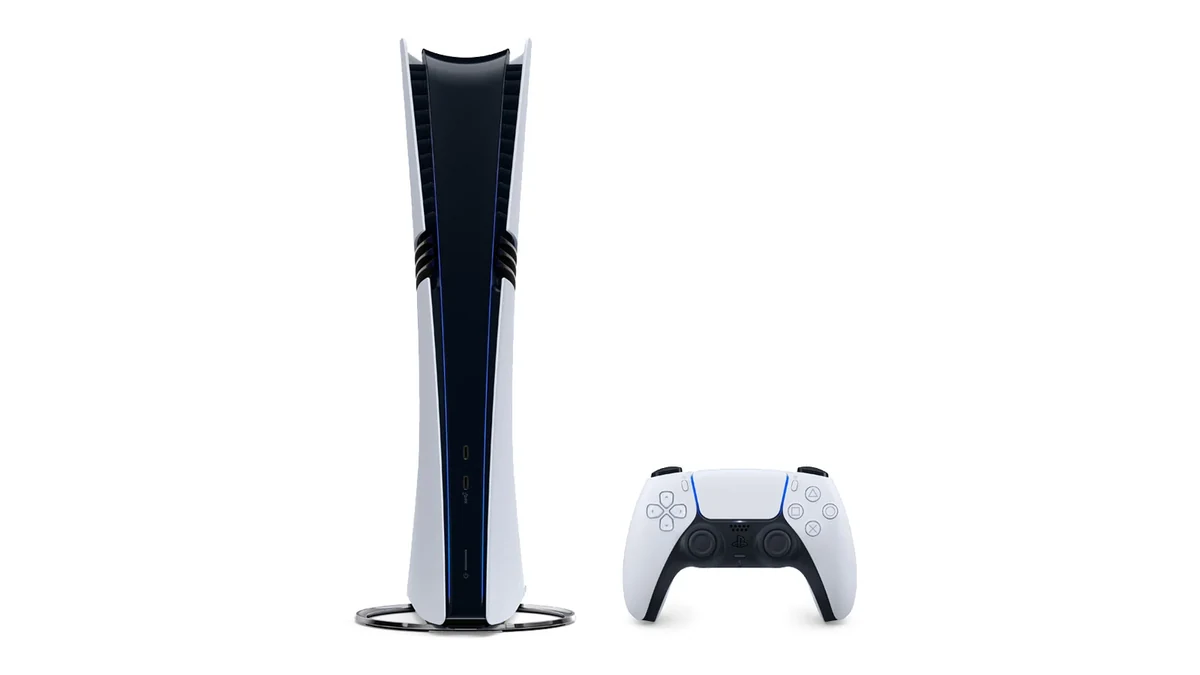
According to PlayStation’s pricing announcement, the standard PS5 increased to $649.99 in the United States. The PS5 Digital Edition was priced at $599.99, while PS5 Pro reached $899.99.
PlayStation Portal’s recommended U.S. price increased to $249.99.
Sony attributed the increases to pressure from the global economic environment. The company also announced higher recommended prices in Europe, Japan and the United Kingdom.
The price changes became an important development for console buyers as Sony continued managing hardware production expenses and investments in its gaming platform.
May and June: PlayStation Expands Its Game Release Schedule
PlayStation’s Days of Play event began May 27, bringing temporary promotions and additional PlayStation Plus activities.
On June 2, Sony held another State of Play presentation featuring more than 60 minutes of game announcements and updates.
The official presentation summary included new footage from Marvel’s Wolverine and the announcement of God of War Laufey.
Other featured games included Until Dawn 2, Dune: Awakening and Control Resonant.
The June presentation established additional release schedules for PS5 games while identifying some projects that remained in development. An announcement or trailer did not necessarily mean a game was immediately available.
September: Marvel’s Wolverine Launches on PS5
Marvel’s Wolverine launched on PlayStation 5 on September 15, 2026, after several months of gameplay demos and development updates.
Sony had previously confirmed the release date during its June State of Play presentation.
The game follows Logan through environments including Madripoor and Shinjuku, combining close-range combat with exploration and character-driven storytelling.
In October, PlayStation’s official download rankings showed that Marvel’s Wolverine led the U.S. PS5 chart for September.
The result reflected digital sales rankings on the PlayStation Store, not a complete accounting of physical and digital game sales worldwide.
October: AI Upscaling Arrives on the Standard PS5
One of Sony’s most significant technical announcements came in October, when it introduced QSSR, an AI-guided graphics upscaling system for the standard PlayStation 5.
QSSR is based on technology related to PlayStation Spectral Super Resolution, or PSSR, which is used on PS5 Pro.
Upscaling reconstructs a higher-resolution image from a lower-resolution rendering. AI-based approaches can use information from multiple frames to improve detail and reduce visible image instability.
According to Sony’s official technical announcement, Marvel’s Wolverine and Ghost of Yōtei were among the first games to support QSSR.
The technology does not turn a standard PS5 into a PS5 Pro. Image quality and performance still depend on the game’s rendering requirements, graphics settings and implementation.
TechAmerica.ai previously examined the technology in its coverage of QSSR AI upscaling on PS5, including differences from PSSR.
October: Sony Introduces Transparent PS5 Accessories
Sony announced the PlayStation 5 Prism Collection on October 28, introducing transparent designs for DualSense wireless controllers and matching console covers.
The collection brought a new visual design to existing PS5 accessories rather than introducing a new console generation.
TechAmerica.ai separately covered the PS5 Prism Collection and its accessory designs.
November: Sony Expands QSSR Support Across More Games
Sony announced additional QSSR support on November 13 for games including Marvel’s Spider-Man 2 and No Man’s Sky.
The company also identified upcoming support for other titles. Some updates were available immediately, while others were scheduled for later release.
The official QSSR update distinguished games already receiving the technology from those still preparing patches.
For Sony, the expansion brought advanced image reconstruction to a wider PS5 audience without requiring every player to upgrade to PS5 Pro.
Grand Theft Auto VI Launches for PlayStation 5
Grand Theft Auto VI launched on November 19, becoming one of the year’s most significant PlayStation 5 releases.
PlayStation’s official November 18 announcement confirmed the approaching release and described the game’s return to Vice City and the surrounding state of Leonida.
The release followed years of anticipation for a new mainline installment in the Grand Theft Auto series.
TechAmerica.ai previously reported on the GTA 6 launch and early reviews, including its arrival on current-generation consoles.
The title also formed part of Sony’s wider third-party game lineup, an important source of software sales and activity across the PlayStation platform.
Sony Reports 127 Million PlayStation Monthly Active Users
On November 5, Sony published its second-quarter fiscal 2026 results, providing updated figures for the Game and Network Services business.
The company’s official investor disclosures showed that PlayStation had 127 million monthly active users in September, up 7% from a year earlier.
Worldwide PS5 hardware shipments totaled 2.6 million units during the quarter, compared with a revised 4 million units a year earlier.
Sony also reported 88.2 million full-game software units sold across PS4 and PS5 during the quarter. Digital downloads accounted for 78% of full-game unit sales.
Network services revenue, which includes PlayStation Plus and advertising, reached 218.3 billion yen for the quarter.
Sony revised its full-year Game and Network Services revenue forecast upward to 4.83 trillion yen, citing factors including stronger third-party software sales and network services.
The figures show a platform increasingly dependent on software, subscriptions and network engagement alongside console hardware sales.
PlayStation’s 2026 Developments Extend Beyond Console Hardware
From January through November 21, Sony’s PlayStation strategy combined game releases, improved graphics technology, streaming updates and continued investment in network services.
Higher console prices reflected hardware cost pressures, while QSSR demonstrated how software updates could improve supported games on existing consoles.
PlayStation Portal updates expanded remote and cloud-based gaming capabilities, and major releases helped sustain activity across the platform.
Sony’s financial disclosures also showed that hardware shipments and user engagement can move in different directions. Although quarterly PS5 shipments declined from a year earlier, monthly active accounts and software unit sales increased.
By November 21, PlayStation’s major developments reflected a business built around both dedicated gaming hardware and ongoing digital services, with future performance dependent on software releases, engagement and the cost of supporting its global platform.