Big Tech regulation after midterms is drawing renewed attention as Democrats gain influence in Washington following the Nov. 3, 2026, elections. Major technology companies face questions about AI oversight, data center expansion and their relationships with federal and state lawmakers.
Companies including Meta and OpenAI spent much of President Donald Trump’s second term strengthening ties with his administration. Democratic gains have created a different political environment, although the extent of future federal regulation remains uncertain.
Technology Companies Expand Political Outreach
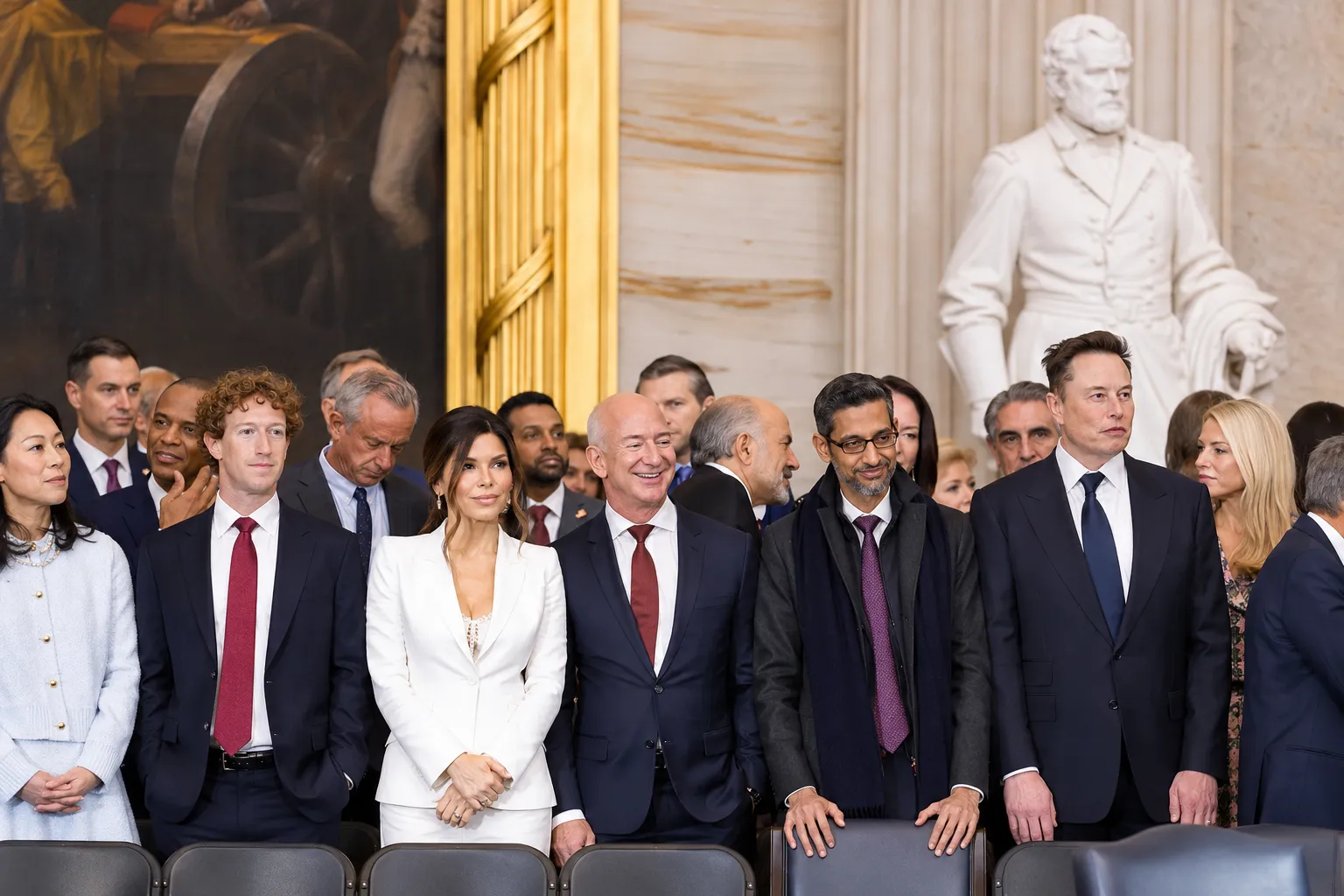
Several technology executives attended White House events and supported political organizations aligned with Trump. His administration also favored lighter AI regulation and policies intended to accelerate technology investment.
OpenAI has expanded its government relations team to work with policymakers across party lines. In September, the company hired Jessica Schumer, daughter of Senate Democratic leader Chuck Schumer, to oversee policy and partnerships in Northeastern states.
As the New York Post reported, OpenAI said Jessica Schumer would focus on state and local policy. Her responsibilities exclude congressional advocacy and matters involving her father’s office.
Meta has also emphasized cooperation with both political parties. Company President Dina Powell McCormick recently said technology businesses must work with elected governments to secure support for their initiatives.
State AI Laws Could Shape Big Tech Regulation
Democratic lawmakers have called for stronger oversight of artificial intelligence, including safeguards against harmful applications and greater corporate accountability. However, divided political interests could complicate comprehensive federal legislation.
State governments are already adopting rules covering AI chatbots, deepfakes and consumer protection. These measures create different compliance requirements depending on where technology companies operate.
The Trump administration has challenged that approach. A Justice Department memorandum dated Jan. 9 established an AI Litigation Task Force to challenge state laws considered inconsistent with federal policy.
The administration argues that differing state regulations could create unnecessary compliance burdens for American AI companies. Supporters of state oversight maintain that local safeguards remain necessary when federal protections are limited.
Data Center Expansion Faces Local Opposition
Data centers have become another major political issue following the midterms. Communities are questioning how large AI facilities affect electricity prices, water consumption and local infrastructure.
Some newly elected officials have supported stronger permitting requirements or temporary restrictions on data center construction. These proposals could affect companies investing heavily in computing infrastructure.
Meta says communities should benefit from its investments and retain the ability to reject unwanted projects. OpenAI has also adjusted its public messaging around large computing facilities, describing them as compute campuses.
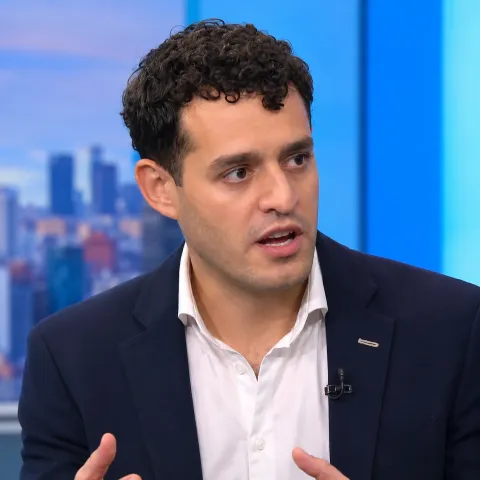
Political analysts expect states to remain important venues for technology regulation. Aryan Ranjan, founder of political software company Baraza, said electricity costs, jobs and data center locations could dominate future debates.
AI Market Volatility Adds Financial Pressure
Regulatory uncertainty coincides with investor concerns about AI development costs. A major stock market sell-off following the elections raised questions about technology valuations and future infrastructure spending.
Anthropic’s reported plans for a potentially trillion-dollar public offering have also attracted scrutiny. Investors are weighing rapid AI revenue growth against substantial computing expenses and increasing competition.
Meanwhile, Meta continues to face legal challenges, and OpenAI faces lawsuits alleging harms associated with its technology. These cases remain separate from the broader debate over future AI legislation.
The White House maintains that American leadership in advanced AI is essential for national security and economic competitiveness. It has also expressed willingness to work with lawmakers on consumer protections.
For technology companies, the immediate challenge is navigating different federal and state priorities. The next two years could bring additional oversight even if Congress struggles to agree on nationwide AI legislation.