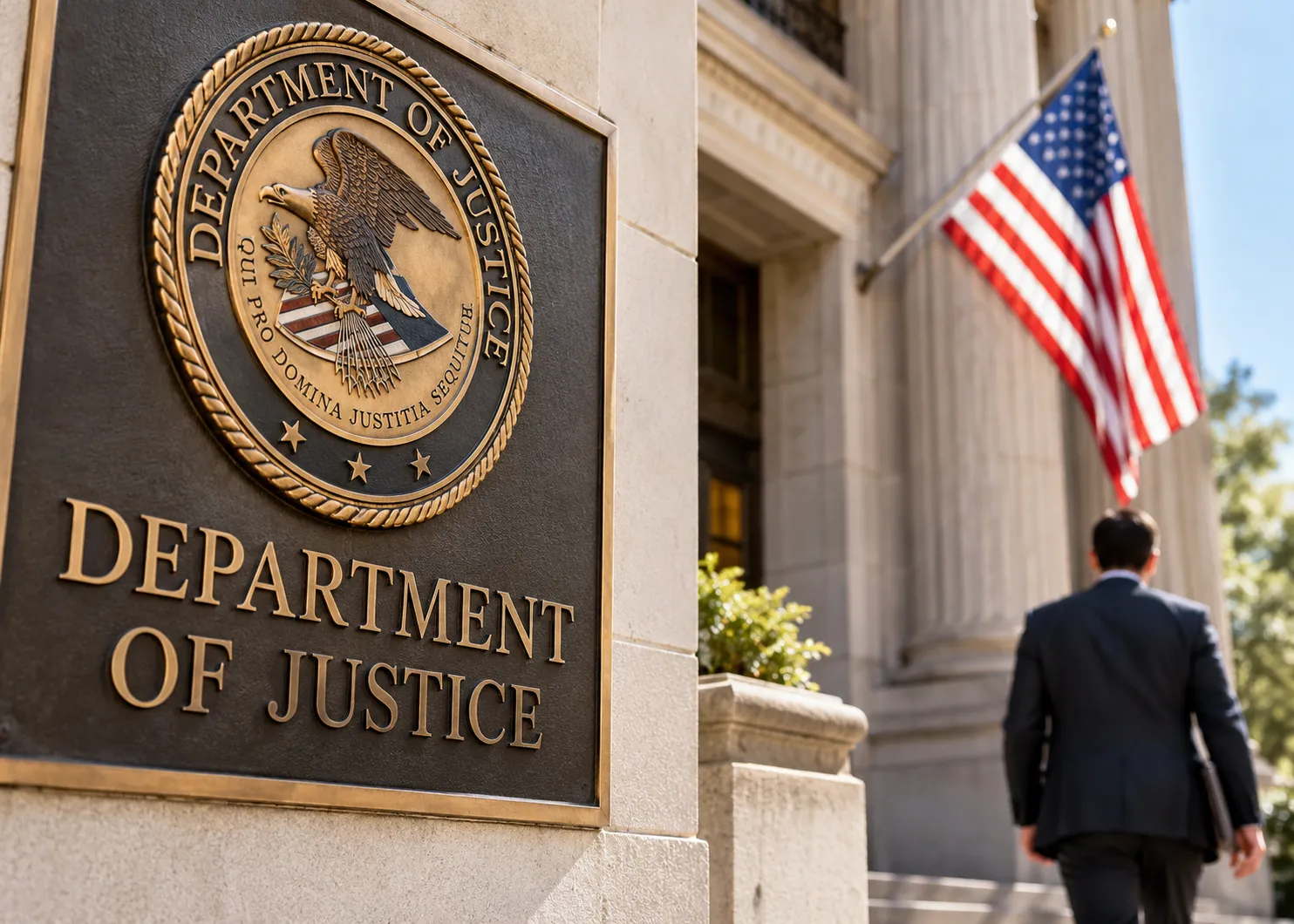
The DOJ whistleblower rewards program will pay $10,000 to $30,000 to individuals who provide information that leads to criminal charges in certain federal fraud cases. Announced on October 20, the initiative introduces an earlier payment system intended to encourage people with knowledge of fraud to come forward.
The Justice Department’s National Fraud Enforcement Division will administer the program, officially called the Fraud Whistleblower Incentive Program (WHIP). Unlike traditional whistleblower arrangements that may require years of litigation and financial recovery before issuing rewards, the new initiative allows eligible tipsters to receive payments once criminal charges become public.
According to the Justice Department’s announcement, the Treasury Department has committed $25 million to implement the program. The pilot will initially run for three years.
How the DOJ Whistleblower Rewards Program Works
The central change is when qualifying whistleblowers may receive compensation. Under the new system, an individual whose information helps prosecutors bring criminal charges could receive an award before the case reaches a verdict, sentencing or final financial settlement.
Payments are not automatic. The Justice Department determines whether a tip qualifies and sets the award amount. Information must be original, accurate and sufficiently significant to contribute to criminal charges. Those charges generally must be made public before the Justice Department pays a reward.
Participants must voluntarily submit information and cooperate with investigators. Companies cannot receive rewards under the program, and individuals who played a meaningful role in the reported criminal conduct are generally ineligible.
The program also does not require a minimum financial loss. Information concerning attempted fraud or schemes involving relatively small losses may qualify if the other conditions are satisfied.
Health Care and Federal Benefits Fraud Are Key Targets
The initiative focuses on fraud affecting federal health care programs and government-funded benefits. Investigators will place particular emphasis on misconduct involving hospice providers, home health care services, day care programs and specialized services.
Other covered areas include fraudulent claims involving unemployment benefits, student financial assistance, housing programs, veterans’ benefits and Small Business Administration programs.
Potential violations could include payments for services never delivered, fraudulent billing, illegal kickbacks, or improper use of personal information to obtain government benefits.
For employees, contractors and other individuals who encounter suspicious activity, the program creates an additional reporting option. However, it covers only specified federal offenses, not all forms of financial crime.
How Whistleblowers Can Submit Fraud Reports
Individuals can submit information through the federal government’s fraud reporting portal. The Justice Department encourages applicants to provide detailed evidence identifying the suspected misconduct and the people or organizations involved.
The department’s program guidelines explain the eligibility requirements, exclusions and submission procedures. Individuals who want to report anonymously must have an attorney submit the information on their behalf.
The department says it will generally protect information that could identify whistleblowers, although law or legal proceedings may require disclosures.
Participants may also remain eligible for additional compensation through other federal whistleblower programs if their information ultimately contributes to financial penalties or asset forfeitures.
A Faster Approach to Federal Fraud Enforcement
The announcement follows an October 1 directive from Assistant Attorney General Colin M. McDonald calling for stronger incentives to encourage credible fraud reporting. It also builds on the department’s establishment of its National Fraud Enforcement Division earlier this year.
By moving potential payments closer to the filing of criminal charges, federal officials aim to reduce one of the uncertainties facing whistleblowers: the lengthy period between providing information and receiving a possible reward.
The DOJ whistleblower rewards program introduces a different approach to compensating people who help uncover federal fraud. Its effectiveness will depend on whether the earlier incentives generate credible reports that investigators can turn into prosecutable cases.