Fox Corporation completed its $22 billion acquisition of Roku on November 6, 2026, bringing one of the largest connected TV platforms under the ownership of a major U.S. broadcaster. The Fox Roku acquisition gives the company access to more than 100 million streaming households worldwide, strengthening its position in digital advertising and television distribution.
The cash-and-stock transaction, announced in June, combines Roku’s streaming technology and advertising operations with Fox’s sports, news, and entertainment businesses. It also puts Roku alongside Tubi and Fox One, giving Fox a broader streaming presence as traditional cable television faces changing viewing habits.
Fox Roku Acquisition Expands Digital Advertising Reach
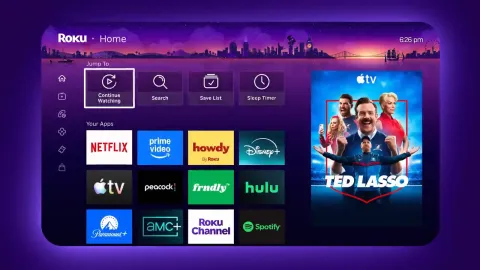
Roku operates a connected TV platform that supports streaming devices, smart televisions and thousands of applications. Its operating system and home-screen interface help viewers discover programming, while its advertising business connects marketers with audiences watching streaming television.
Fox gains a direct relationship with Roku’s substantial household audience. This creates opportunities to promote its programming and improve advertising targeting using Roku’s platform data. However, the commercial benefits will depend on execution and the company’s ability to retain distribution partners.
According to Fox’s original acquisition announcement, the combination was designed to connect premium live programming with Roku’s technology, consumer interface and advertising capabilities. Fox identified connected TV advertising and streaming subscriptions as important areas for future growth.
What the $22 Billion Roku Deal Includes
The transaction values Roku at approximately $22 billion in enterprise value. Under the finalized merger terms, Roku shareholders are entitled to receive $95.30 in cash and 0.9799 shares of Fox Class A common stock for each Roku share held immediately before closing.
Existing Fox shareholders now own approximately 74% of the company’s outstanding common shares, while former Roku shareholders own about 26%. Roku shares ceased trading on the Nasdaq on November 6, after the acquisition closed.
Fox expects approximately $400 million in annualized cost savings within two years of closing. The company also projects improved free cash flow per share by the second full year after the transaction, although those financial benefits remain forecasts rather than realized results.
The acquisition brings Roku into a newly organized Fox Digital Platforms division. Roku founder Anthony Wood joins Fox’s board of directors and serves as co-chair of the division alongside Paul Cheesbrough, its co-chair and CEO.
Roku, Tubi and Fox One Join the Same Streaming Portfolio
Fox now controls several businesses serving different parts of the streaming market. Roku provides the operating system, device ecosystem and distribution platform, while Tubi offers free, advertising-supported movies and television programming. Fox One provides access to Fox programming through a direct-to-consumer subscription service.
The combination could allow Fox to connect advertising sales, content discovery and distribution more closely across its businesses. Roku’s platform also offers a potential route to introduce additional viewers to Fox’s sports, news and entertainment services.
Roku’s existing relationships with competing streaming providers remain particularly important. Applications from other media companies contribute to the platform’s appeal, and Fox has committed to maintaining Roku as an open distribution environment rather than restricting access to its own services.
What Changes for Roku Users and Content Partners?
For Roku customers, the acquisition does not automatically mean a replacement operating system, a new subscription requirement, or the removal of competing applications. Fox says Roku will continue serving viewers through an open platform with access to thousands of streaming applications and channels.
Nevertheless, ownership creates questions about how programming will be promoted, how advertising inventory will be managed and whether Fox services could receive greater visibility. The company has not established that these potential changes will occur, and the practical effects will become clearer as integration progresses.
Streaming providers also have a commercial interest in preserving neutral access to Roku users. Fox must balance opportunities to strengthen its own content businesses against the value of maintaining the broad selection that makes Roku attractive to viewers and advertisers.
What Comes Next for Fox’s Streaming Business?
The acquisition gives Fox a larger role in the technology used to deliver television, rather than relying primarily on producing and distributing programming. Its success will depend on integrating advertising operations, preserving Roku’s relationships with content partners and delivering the projected financial improvements.
Fox has completed the ownership transfer, but the longer-term effects on television advertising, viewer choice and competition are not yet established. Future financial results and platform decisions will better show whether the $22 billion investment delivers the growth Fox expects.