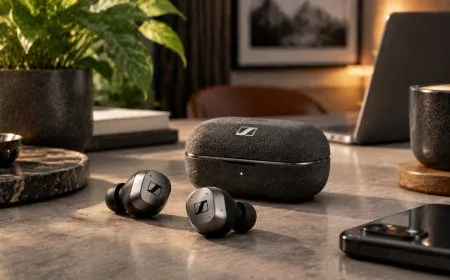
The Bose Noise Cancelling Wired Earbuds bring active noise cancellation to a familiar format without Bluetooth pairing, charging cases, or companion apps. Priced at $99, they connect directly through USB-C and draw power from the connected device. The result is a straightforward listening option with a few modern conveniences.
Bose has returned to wired earbuds after more than a decade, responding to renewed interest in simpler audio products. The new model offers clear sound, adjustable noise cancellation, and a comfortable fit. However, cable interference, wind noise, and disappointing microphone performance make it less appealing for some everyday situations.
How Bose Noise Cancelling Wired Earbuds Handle Background Noise
The biggest advantage of the Bose Noise Cancelling Wired Earbuds is their simplicity. There is no battery to recharge, Bluetooth connection to manage, or software to configure. Connect them to a compatible USB-C device, and playback starts with no extra setup.
Unlike traditional analogue earbuds, these use their USB-C connection to power active noise cancellation. Bose’s official announcement confirms that they don’t require a separate battery. This removes one of the biggest maintenance concerns associated with wireless earbuds.
The earbuds feature a 4.2-foot cable with an in-line remote and microphone. Three physical buttons control volume, playback, calls, and noise-cancellation modes. The arrangement is practical, although the remote adds weight to the cable.
Bose includes three silicone ear tip sizes and two sets of stability wings. This gives users several fitting options without requiring additional accessories. The earbuds also carry an IPX4 water-resistance rating, offering protection against sweat and light splashes.
The cable introduces familiar drawbacks. They can catch on clothing or nearby objects, and contact and movement may cause audible vibrations. People accustomed to wireless earbuds will notice these limitations immediately.
Noise Cancellation Works Best Against Steady Sounds
Active noise cancellation distinguishes these earbuds from most inexpensive wired alternatives. Bose uses its QuietControl system with four microphones, two on each earbud. The microphones monitor external noise and help reduce unwanted background sound.
Users can switch between Quiet, Aware, and ANC Off modes. Quiet reduces environmental noise, while Aware keeps surrounding sounds audible. The third mode completely turns off active noise cancellation.
The system is particularly suited to consistent low-frequency sounds, including air conditioners and traffic rumble. Conversations and unpredictable higher-frequency sounds are more difficult to suppress. Buyers should not expect the same isolation offered by Bose’s more expensive wireless products.
Wind interference is another weakness highlighted in early listening impressions. Outdoor airflow can reach the microphones and create distracting noise. Turning off ANC may help, but it sacrifices one of the product’s main advantages.
For readers looking for a more traditional wireless option, TechAmerica.ai has also covered the Bose QuietComfort Headphones (2nd Gen). That over-ear model emphasizes noise cancellation, comfort, and wireless convenience over minimal setup.
Sound Quality and Everyday Listening
Sound quality is one of these earbuds’ strongest arguments. Bose uses its SoundDesign digital processing system to deliver detailed audio through the wired connection. Vocals stay prominent, while the bass has enough presence without dominating the mix.
In early WIRED impressions, the earbuds received praise for sound clarity and effective noise reduction. Those impressions came from a late-stage prototype rather than the final retail product. They nevertheless provide useful independent context beyond Bose’s specifications.
The earbuds support 24-bit/48kHz playback via USB Audio Class 2. This allows compatible devices to deliver digital audio without Bluetooth compression. The wired connection also minimizes latency, which benefits video playback and gaming.
There are limits to customization. Bose provides no companion application or adjustable equalizer for this model. Listeners who prefer warmer sound or less prominent treble cannot change the tuning through official software.
Call Quality and Compatibility Limitations
The in-line microphone handles voice calls, but its placement creates practical concerns. Background noise can interfere with conversations, particularly on busy streets. The wired connection provides stable audio transmission, but it does not guarantee clear microphone pickup.
Compatibility also requires attention. Most modern smartphones, tablets, and computers with USB-C audio support should work without difficulty. However, a USB-C port alone does not guarantee digital audio output.
Bose’s connection guidance identifies certain tablets, game consoles, and other USB-C devices as potential exceptions. Traditional 3.5mm adapters may also fail because the earbuds require USB power and digital audio.
Check these limitations before purchasing, especially if you frequently switch between devices.
Pricing and Buying Considerations
At $99, the earbuds sit between basic wired earphones and premium wireless models. The official Bose product page lists Black, White Smoke, and limited-edition Dewdrop Mint finishes. A carrying case is included.
The price is reasonable for buyers who specifically want wired audio with active noise cancellation. Eliminating battery charging also provides a practical advantage for frequent listeners. However, affordable wireless earbuds offer greater freedom of movement and often include app-based controls.
The buying decision therefore depends less on sound quality alone and more on listening habits. People who spend hours at a desk may appreciate the wired connection. Frequent callers, commuters, and active users may prefer wireless alternatives.
Pros and Cons
Pros:
- Clear sound with support for 24-bit/48kHz digital audio.
- Active noise cancellation without charging or Bluetooth pairing.
- Multiple ear tips and stability wings for adjustable fit.
- Simple physical controls and low-latency playback.
Cons:
- Wind interference can reduce the comfort of noise cancellation.
- Microphone performance is less convincing in noisy environments.
- Cable movement and contact can become distracting.
- No companion app or adjustable equalizer.
Final Verdict
The Bose Noise Cancelling Wired Earbuds succeed by focusing on basic listening convenience. They combine a direct USB-C connection with useful noise cancellation and promising audio quality. At $99, that combination gives wired audio enthusiasts a compelling alternative to ordinary earphones.
The compromises are familiar but important. Cable management remains inconvenient, while wind interference and limited microphone isolation reduce their versatility. The lack of an equalizer also makes the default sound tuning more important.
These earbuds make the most sense for music listeners who value simplicity, wired reliability, and freedom from charging. Wireless earbuds will better serve buyers who regularly take calls outdoors or prioritize unrestricted movement. Bose has made wired listening relevant again, but the earbuds’ advantages depend on how and where you use them.