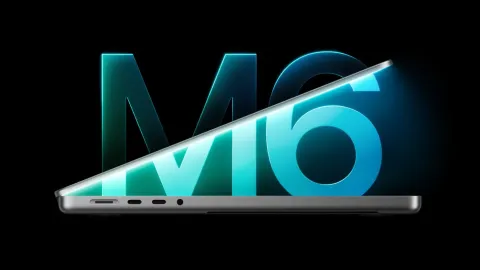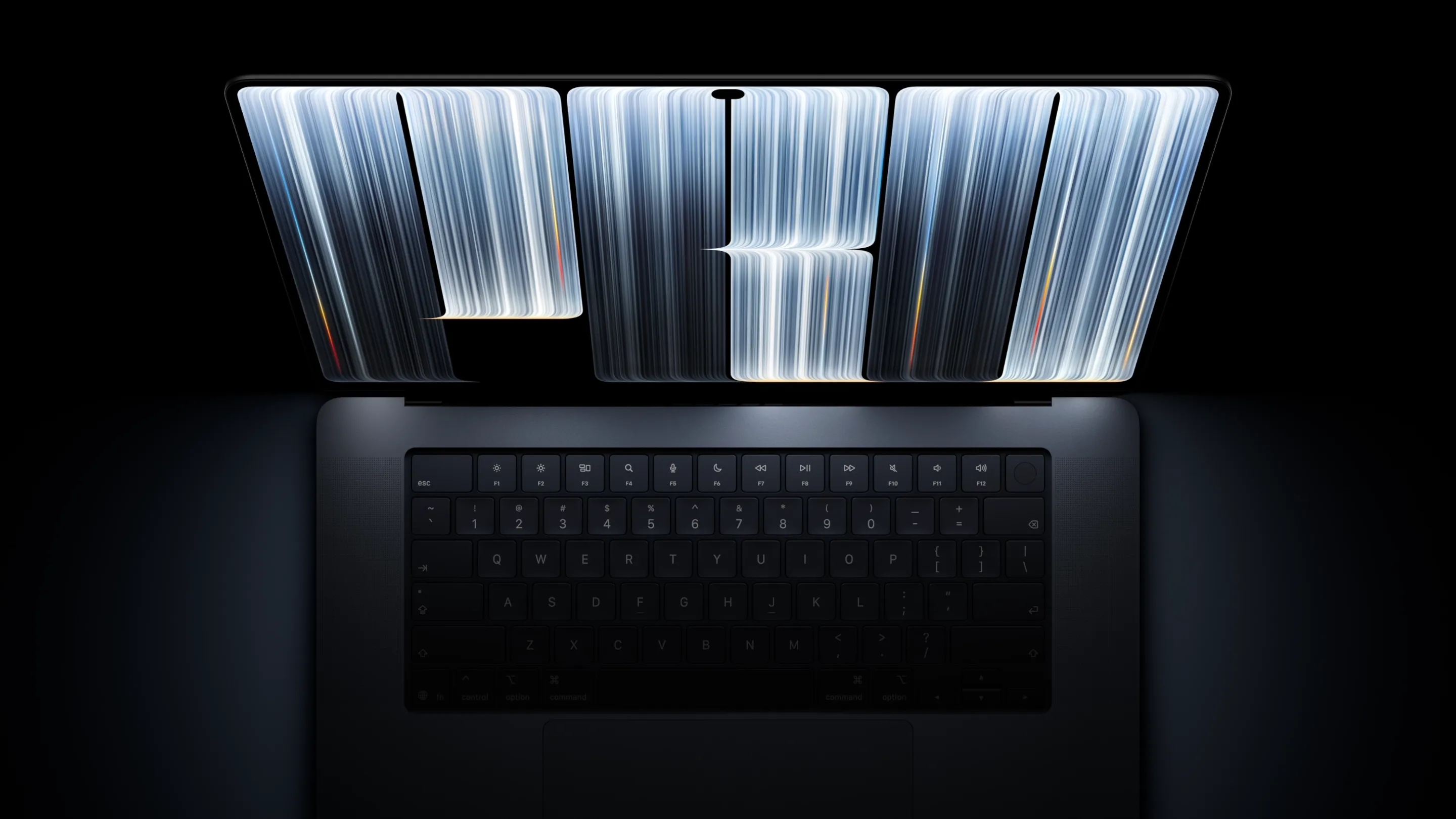
The Touchscreen MacBook Pro marks a major change for Apple, bringing touch controls to the Mac for the first time. Announced on October 28, 2026, the redesigned laptop features a tandem OLED display, Dynamic Island, and a thinner, lighter body. Prices start at $2,899, with 14-inch and 16-inch models available.
Early hands-on impressions suggest the new display is the biggest improvement. Touch gestures add convenience, but they do not fundamentally change how macOS works. The absence of Apple Pencil support also limits its appeal for creative professionals.
Touchscreen MacBook Pro Brings Multi-Touch to macOS.
Apple’s new touchscreen supports familiar gestures, including swiping, scrolling, pinching to zoom, and dragging files. Users can also arrange windows and interact directly with supported creative applications.
According to Apple’s official announcement, Apple integrated the touch sensors into the display panel to reduce input latency. The company has also redesigned the hinge for greater stability during touch interaction.
Apple’s applications are optimized for touch, while macOS 27 can translate taps into clicks in existing software. Developers can introduce more specialized controls using updated gesture APIs.
However, the experience remains closer to a conventional laptop with additional input options than a tablet replacement. Small interface elements may still require a trackpad for greater precision.
Apple has not introduced Apple Pencil compatibility for the MacBook Pro. That omission is especially noticeable because the touchscreen could otherwise appeal to illustrators and designers who want precise stylus input.
PROLED XDR Display Is the Bigger Upgrade
The new PROLED XDR display uses tandem OLED technology, replacing the mini-LED panels found in earlier MacBook Pro models. It supports a 120Hz adaptive refresh rate, a 10,000,000:1 contrast ratio, and wider color coverage.
Apple advertises up to 2,000 nits of peak brightness for HDR content and outdoor SDR viewing. The company also offers an optional nano-texture glass finish to reduce reflections.
In an independent hands-on assessment, Ars Technica praised the OLED display’s brightness, contrast, and color reproduction. The publication found the visual upgrade more compelling than the introduction of touch controls.
The display looks particularly promising for photography, video editing, and color-sensitive creative work. However, extended testing is needed to assess sustained brightness, color accuracy, and long-term panel performance.
Lighter Design and Dynamic Island
Apple has reduced the weight of both models. The 14-inch MacBook Pro now weighs approximately 3 pounds, while the 16-inch version weighs 4 pounds.
The redesigned laptops are also thinner, although they retain the familiar keyboard, trackpad, and professional connectivity options.
Dynamic Island replaces the traditional display notch. It provides quick access to notifications, music controls, Live Activities, Spotlight, and Siri AI.
The illuminated Apple logo also returns to the laptop lid. Its brightness adjusts with the display, adding a nostalgic design element.
Early hands-on impressions from Engadget highlighted the reduced weight and familiar construction. The publication described the redesign as substantial without changing the MacBook Pro’s basic identity.
M5 Pro Performance and Battery Life
The touchscreen models use Apple’s M5 Pro and M5 Max processors. These chips support demanding workloads, including video production, 3D rendering, and local AI applications.
TechAmerica.ai previously covered Apple’s M5 MacBook lineup, including the performance improvements introduced with the M5 Pro and M5 Max processors.
In selected configurations, the redesigned laptops support up to 128GB of unified memory and 16TB of SSD storage. Connectivity includes three Thunderbolt 5 ports, HDMI, MagSafe, an SDXC card slot, Wi-Fi 7, and Bluetooth 6.
Apple claims up to 24 hours of battery life and charging to 50% in approximately 30 minutes. These figures depend on configuration and usage. Independent battery testing is still needed.
Touchscreen MacBook Pro Pricing and Availability
Apple opened preorders on October 28, 2026, with retail availability beginning November 6.
Official US starting prices are:
- 14-inch MacBook Pro with M5 Pro: $2,899.
- 16-inch MacBook Pro with M5 Pro: $3,399.
- 14-inch MacBook Pro with M5 Max: $4,499.
- 16-inch MacBook Pro with M5 Max: $4,799.
The OLED touchscreen models carry a substantial premium over conventional MacBook Pro configurations. Buyers should consider whether the improved display and lighter build justify the added cost.
Final Verdict
Apple’s first touchscreen MacBook Pro delivers several meaningful upgrades. Its OLED display, lighter design, and Dynamic Island are appealing additions to an established professional laptop.
However, touch functionality currently appears more convenient than transformative. The lack of Apple Pencil support is a limitation, and existing MacBook owners may find that their trackpads already handle most everyday tasks effectively.
The new MacBook Pro is most appealing to creative professionals who value display quality and portability. Buyers who want a touchscreen may struggle to justify its premium price. For now, the PROLED XDR display seems to be the strongest reason to upgrade.