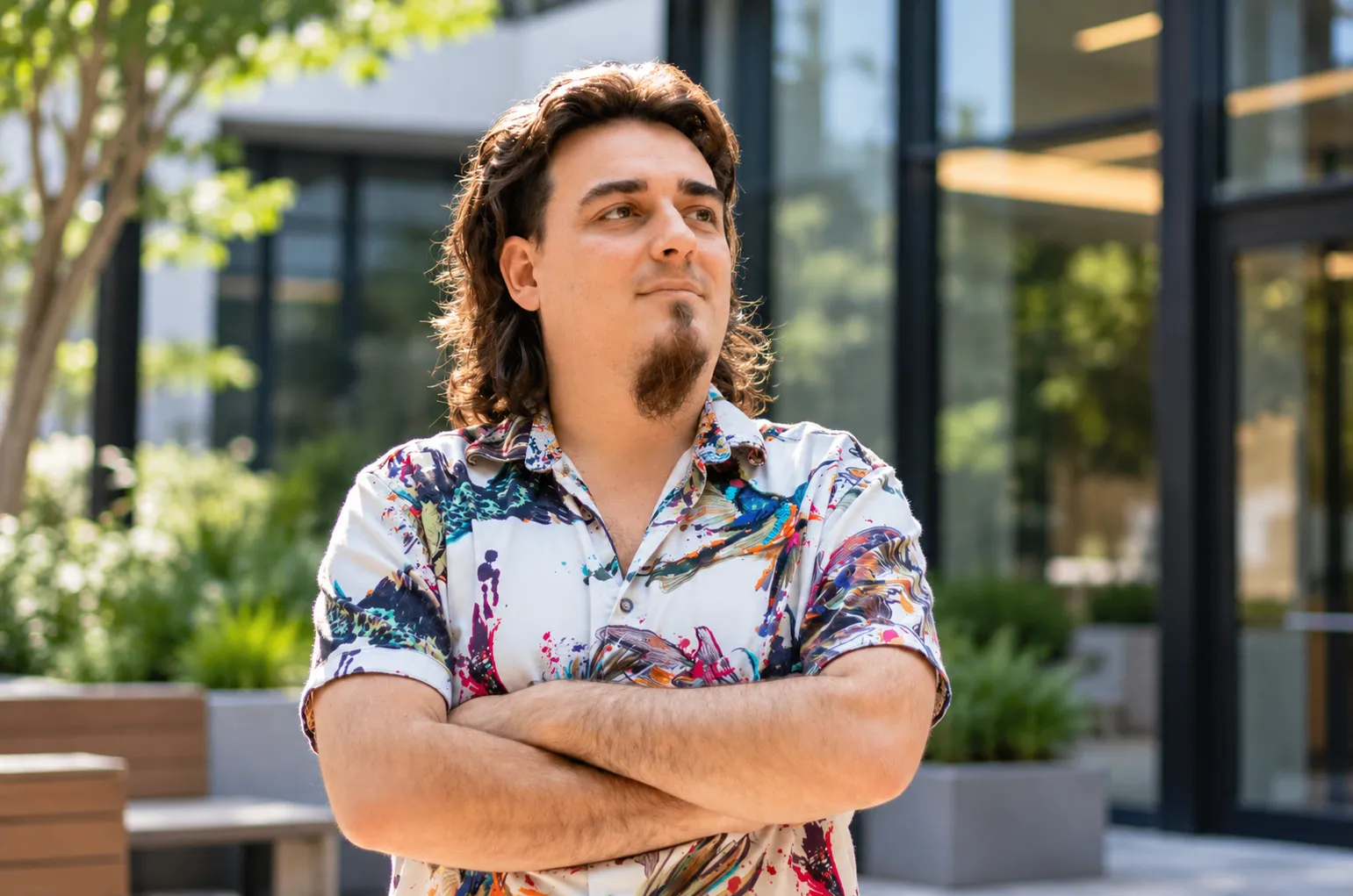
Anduril founder Palmer Luckey says he will remain in California despite opposing the California billionaire wealth tax proposal. The billionaire entrepreneur believes the measure could push business leaders and technology companies out of the state.
Speaking at a private press conference Monday, October 26, Luckey said he intends to stay and challenge the proposed tax. His comments come ahead of California’s November 3 vote on Proposition 40.
Luckey founded Oculus VR, which Facebook acquired in 2014 for $2 billion. He later founded defense technology company Anduril, headquartered in Costa Mesa, last valued at $61 billion.
His commitment to California continues with Anduril’s planned Long Beach expansion, which could create about 5,500 jobs.
California Billionaire Wealth Tax Faces November Vote
Proposition 40 would impose a one-time 5% tax on qualifying California residents with net worth exceeding $1 billion. The proposal covers certain investments and business ownership interests, including unsold assets.
The official initiative text identifies January 1, 2026, as the relevant residency date. Taxable wealth would generally be assessed as of December 31, 2026, with payments due beginning in 2027.
Service Employees International Union-United Healthcare Workers West sponsors the measure. Under the proposal, 90% of the revenue would support health care services. The remaining funds would support education, food assistance and tax administration.
Supporters argue the money could help protect essential services from cuts to federal funding. Opponents warn that wealthy residents might relocate, potentially reducing future state tax revenue.
The California Budget & Policy Center outlines both positions and notes uncertainty about the proposal’s economic effects.
Luckey Raises Concerns About Voting Rights and Tax Liability
Luckey’s principal objection concerns how the proposal could value company ownership and voting control. He said employees collectively own more equity in Anduril than he does, although he has retained significant voting rights.
Those rights allow him to maintain control as employees sell shares. Luckey argues that taxing voting power as though it represents equivalent economic ownership could impose substantial costs on founders.
The Tax Foundation’s analysis identifies language that could create this problem for certain business interests. However, the proposal’s drafters dispute that interpretation and say alternative valuation methods are available.
Luckey estimates that his potential tax liability could approach $3 billion if his voting control were valued against Anduril’s entire $61 billion valuation. That figure represents his interpretation, not an established tax assessment.
The issue extends beyond Anduril. Alphabet’s 2026 proxy statement shows co-founder Larry Page controlled 27.4% of shareholder voting power as of April 6.
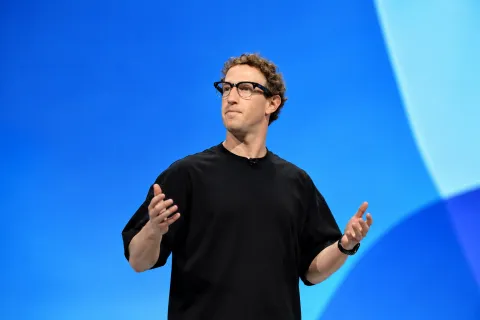
Meta has also explored ways to preserve founder control while addressing potential tax obligations. Its new Class C stock plan could allow Mark Zuckerberg to raise funds without surrendering voting authority.
Luckey Plans to Stay Despite Pressure to Leave
Luckey said other billionaires had encouraged him to leave California to demonstrate opposition to the proposal. He acknowledged their concerns but said he was unwilling to join them.
He also expressed concern about companies relocating and the potential impact on California’s technology industry. Nevertheless, he said he believes the state can still address its problems.
If Proposition 40 passes, Luckey hopes legal challenges will examine how it treats business ownership and voting rights. The outcome would depend on how the measure’s implemented and on subsequent court decisions.
For now, Luckey plans to remain in California and continue opposing the proposal. Voters will decide its future in the November 3 election.