Warhound military dogs are at the center of a new biotechnology venture backed by $200 million. The startup, developed by Colossal Biosciences founder Ben Lamm and Anduril co-founder Palmer Luckey, launched on Oct. 22 at a $1.2 billion valuation.
Investors include Sequoia Capital, 8VC, and In-Q-Tel, which has ties to U.S. intelligence agencies; Warhound plans to develop genetically enhanced working dogs for military, law enforcement, and emergency response operations.
The company aims to improve canine health, endurance and specialized capabilities while equipping dogs with protective technology. However, it has not yet produced genetically engineered working dogs.
Warhound Military Dogs Will Use Genetic Engineering
According to Warhound, more than 80% of U.S. military working dogs are imported from Europe. The company estimates that fewer than half of acquired dogs ultimately qualify for service.
Warhound plans to address those challenges using genetic research and cloning technology licensed from Colossal Biosciences. Researchers have collected cell lines from high-performing breeds, including Belgian Malinois and German Shepherds.
The company plans to modify genetic traits linked to inherited diseases and physical performance. Targeted improvements could include healthier joints, stronger muscles, greater agility and improved scent detection.
Colossal-owned Viagen will assist with cloning. The first dogs are expected to be born in early 2027, with initial service deployments targeted within two years.
Anduril Will Supply Protective Equipment
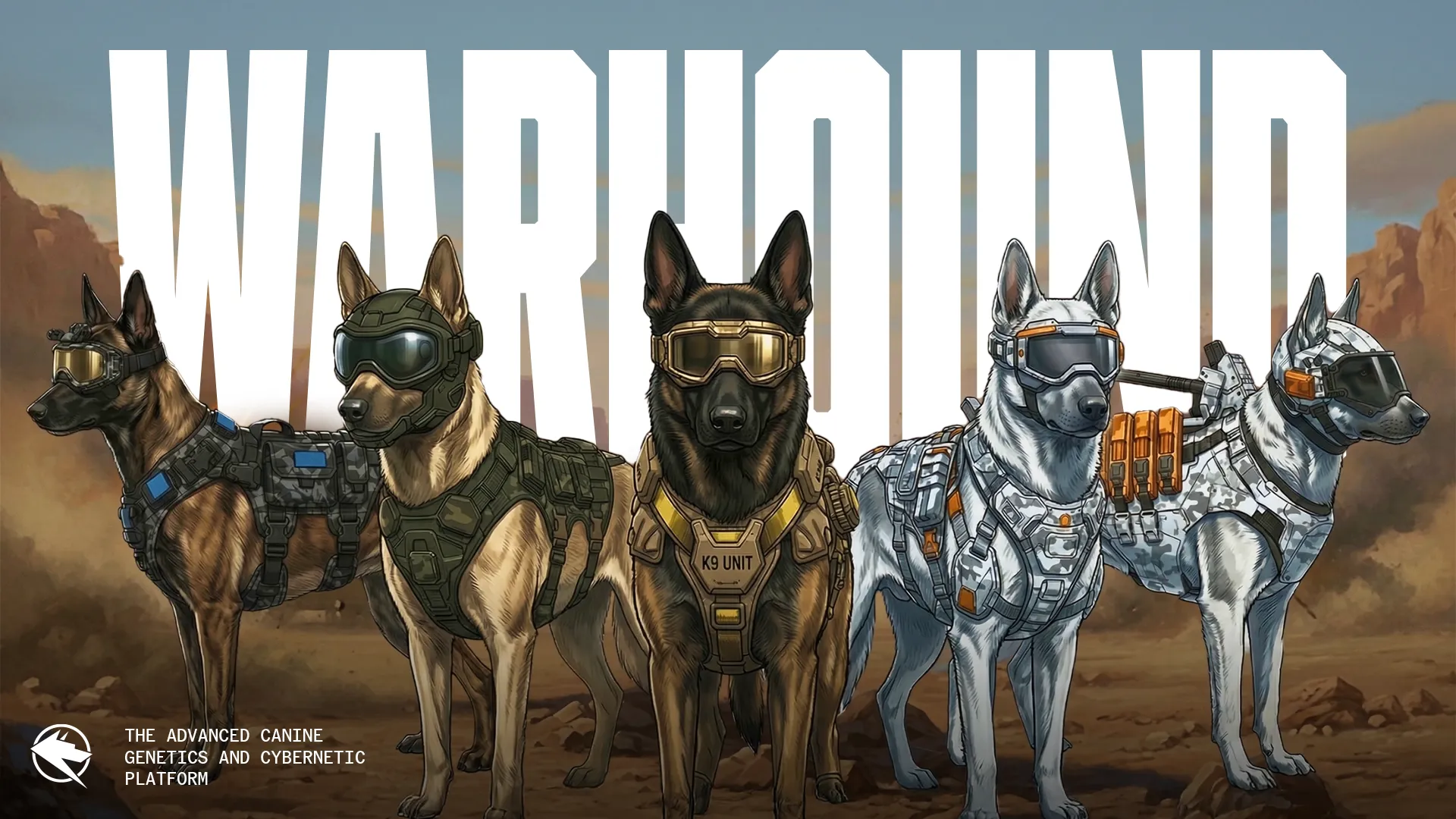
Anduril plans to provide external equipment and software to support working dogs and their handlers. The proposed technology includes protective vests, specialized goggles and sensors that transmit operational information.
These systems could help handlers monitor conditions during searches, explosive detection and other dangerous assignments. The animals would wear the equipment rather than have it implanted.
The partnership extends Anduril’s involvement in advanced defense technology. The company has also been expanding its autonomous military systems and manufacturing capabilities.
Lamm said the combined approach aims to improve both animal safety and mission performance. Luckey is a partner in Warhound but holds no equity, while Colossal owns a stake and licenses its biotechnology.
Animal Welfare and Government Deployment
Warhound expects potential customers to include the Department of Defense, police departments and emergency response organizations. The startup has briefed government groups but has not announced pricing or confirmed procurement contracts.
The company is working with the American Humane Society on animal welfare standards and training certification. It also plans to support retirement and adoption programs for dogs completing military service.
Genetic modifications intended to improve performance will require careful evaluation of animal health, behavior and long-term welfare. Warhound has not yet demonstrated that its approach improves operational outcomes compared with conventionally bred working dogs.
The company plans to follow established military working-dog training procedures, with the organizations deploying the animals retaining operational control. Its initial development program will determine whether genetic engineering can deliver the promised health and performance improvements.