
AI
Meta Launches Muse AI Agent as It Bets on Consumer Trust
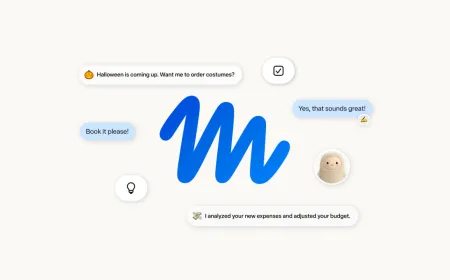
Meta introduced Muse, a personal AI agent that connects with apps and services to help users complete everyday tasks.
114 articles · page 3 of 10 · showing 25 to 36
Meta introduced Muse, a personal AI agent that connects with apps and services to help users complete everyday tasks.

The U.S. military has disabled advertising tracking on government devices to reduce the risk of location data being used against troops.
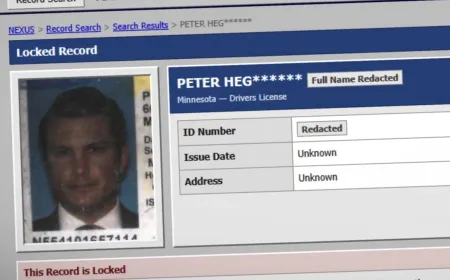
A suspected breach may have exposed millions of drivers’ licenses and passports after hackers allegedly accessed an identity verification service.
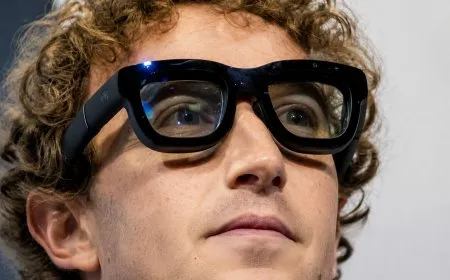
Norway is considering restrictions on camera-enabled smart glasses and wearable devices due to concerns about privacy, surveillance, and facial recognition.
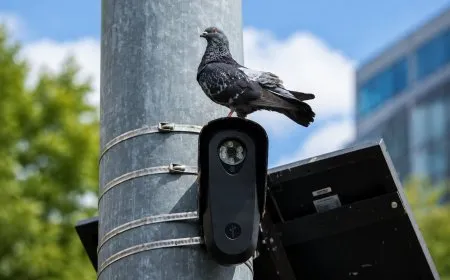
Florida and Texas move to restrict the use of Flock license plate cameras amid privacy concerns, reports of alleged misuse, and debates over surveillance oversight.

McKesson confirms a cloud security breach after hackers claim to have stolen millions of patient records, including sensitive health data.

AI could make software more secure by reducing vulnerabilities, creating new challenges for governments that rely on hacking tools for surveillance.
Brave introduces email aliases that let users hide their personal email addresses when signing up for websites and online services.
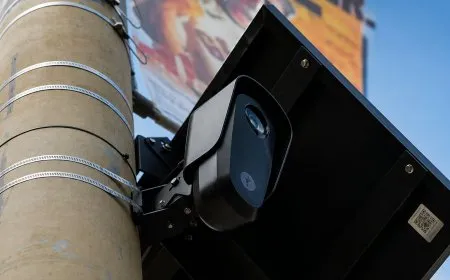
A new YouGov survey finds more Americans oppose Flock license plate surveillance cameras than support them amid privacy concerns.
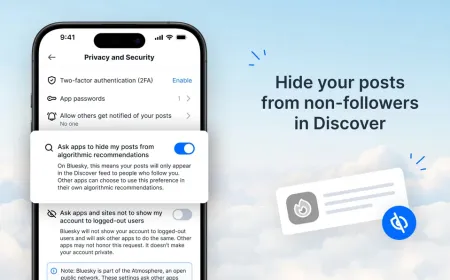
Bluesky adds an algorithmic opt-out setting that lets users prevent public posts from appearing in the platform’s Discover feed.
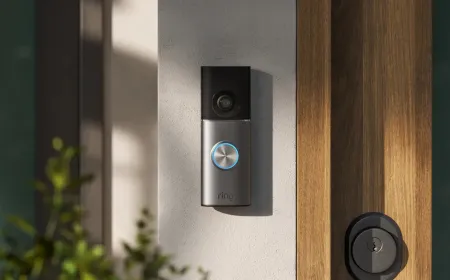
Ring introduced TAKE encryption as its default video security standard, balancing privacy protection with cloud-based smart features.

Meta agreed to an $18 billion settlement over claims from 29 states involving children’s safety on Facebook and Instagram.