Tesla plans to invest €3 billion ($3.3 billion) in expanding its German Gigafactory to manufacture Cybercab autonomous vehicles. Construction on the Tesla Cybercab Berlin factory project will begin in the first half of 2027, with vehicle production scheduled for 2029.
The new manufacturing facility in Grünheide, near Berlin, is designed to eventually produce up to 1 million Cybercabs annually. That figure represents planned capacity, not confirmed production orders.
Tesla Cybercab Berlin Factory Targets 1 Million Vehicles
André Thierig, Tesla’s senior manufacturing director in Berlin, confirmed the investment in a LinkedIn announcement on November 16.
Thierig said the expansion would create Tesla’s most technologically advanced Gigafactory. The company has started recruiting employees for construction and manufacturing planning.
The announcement represents another major investment in Tesla’s autonomous vehicle strategy. The company is also preparing to end Cybertruck production in Texas during 2027.
TechAmerica previously reported on Tesla’s decision to prioritize Cybercab manufacturing over its electric pickup.
Cybercab Production Expands Beyond Texas
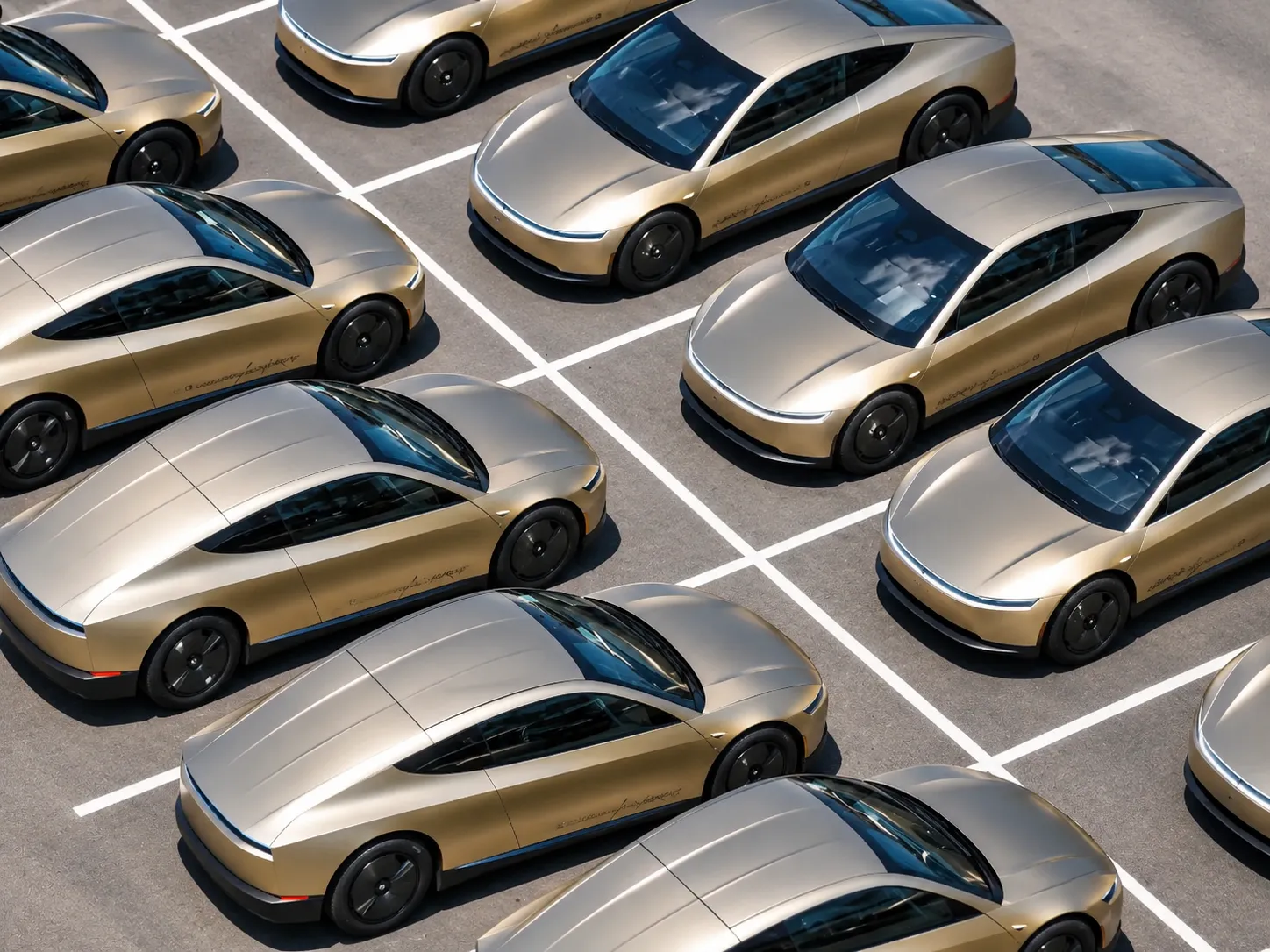
Tesla introduced Cybercab in 2024 and began operating the vehicles in Austin in September 2026.
Unlike conventional passenger cars, Cybercab has no steering wheel or pedals. Its autonomous driving system relies on cameras rather than lidar sensors.
Tesla has approximately 1,307 registered robotaxis in Texas, including modified Model Y vehicles. Around 573 Cybercabs are operating in Austin, with Dallas identified for expansion.
The company has also opened limited Cybercab pre-orders at $29,990, with a required $299 monthly autonomy subscription.
Regulatory Questions Remain Before European Deployment
Tesla’s plans depend on manufacturing readiness and regulatory approvals. U.S. safety regulators are reviewing the company’s certification of Cybercab without conventional driving controls.
European deployment would face separate vehicle approval requirements. Tesla has not announced when Cybercab will receive authorization for commercial driverless operations in Germany.
The Berlin expansion signals Tesla’s intention to manufacture autonomous vehicles at a much larger scale. However, its 2029 production schedule and eventual annual capacity remain company targets.