
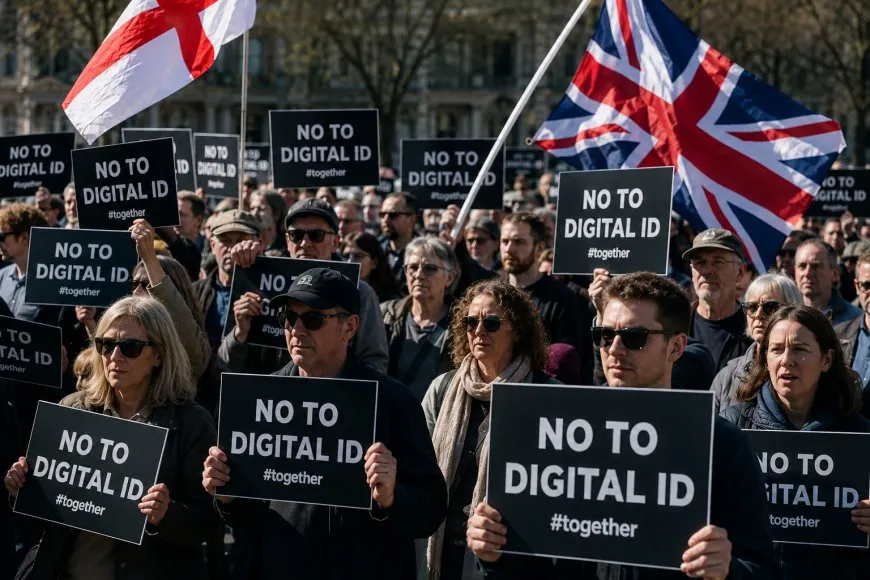
The UK government has abandoned plans to introduce a national digital ID card scheme following strong public opposition and a change in political leadership. Prime Minister Andy Burnham confirmed the decision, ending a proposal introduced last year by former Prime Minister Keir Starmer.
The Burnham administration said the money saved from cancelling the programme will instead support a tax cut aimed at reducing household electricity bills. Finance Minister John Healy said the move is intended to provide financial relief for families facing higher living costs and offer greater certainty ahead of winter.
Public resistance played a key role
Starmer had argued that state-issued digital IDs would help tackle illegal employment, improve access to public services and modernise government systems. The programme was expected to cost £1.8 billion (about $2.4 billion) over three years, although questions were raised over whether funding had ever been fully allocated.
Opposition to the proposal grew rapidly, with nearly three million people signing a parliamentary petition against mandatory digital ID cards, making it the second-largest petition in UK parliamentary history. Critics warned the system could expand government surveillance and threaten personal privacy.
The decision also echoes an earlier attempt to introduce identity cards during Tony Blair’s government in the 2000s. That programme was scrapped in 2011 after a new coalition government took office following a general election. Burnham’s administration has now formally ended the latest proposal, signalling a shift away from a nationwide digital identity scheme.