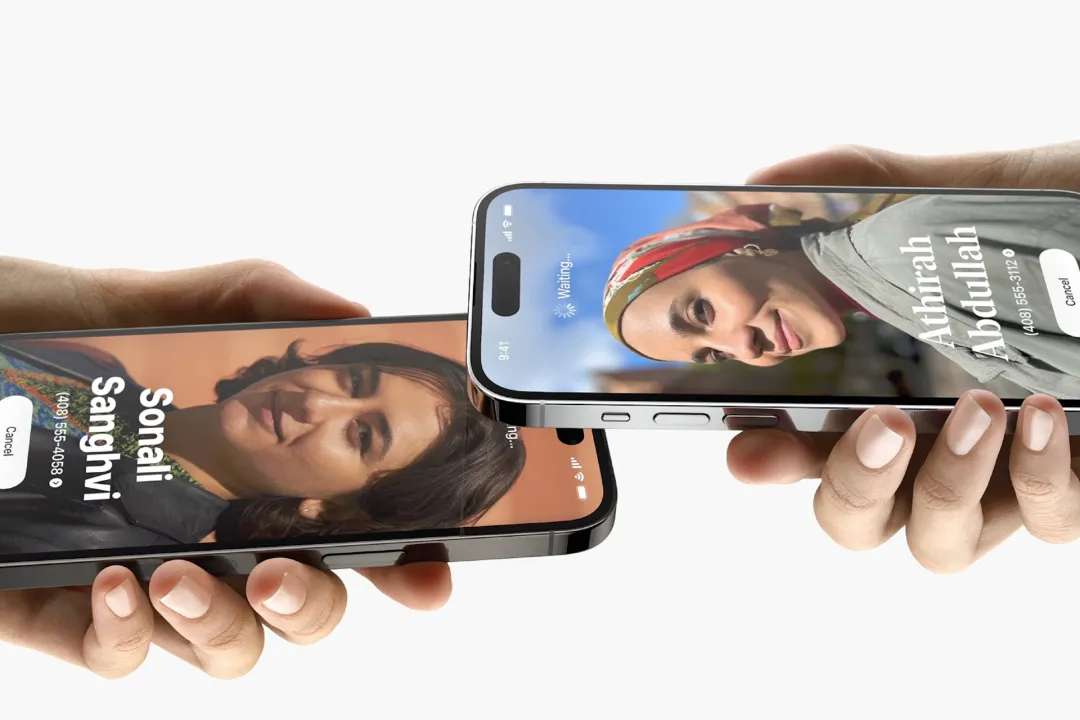
The Apple NameDrop lawsuit in India could restrict iPhone and Apple Watch sales in one of the company’s growing markets. California-based GG Technologies alleges that Apple’s contact-sharing feature infringes its patented technology.
The startup is seeking 15 billion Indian rupees (approximately $162 million) in damages. It has also requested an injunction covering the sale and import of Apple devices equipped with NameDrop.
GG Technologies brought the case before the Bombay High Court in October 2026. Mediation began in April but ended unsuccessfully in September.
Apple NameDrop lawsuit centers on contact-sharing technology
GG Technologies operates StayTouch, a messaging and networking platform that allows users to exchange contact information by bringing their smartphones together. The technology eliminates the need for manual device pairing.
Former Goldman Sachs investment banker and IIT Delhi graduate Gaurav Goel founded GG Technologies in 2018. The startup released StayTouch in 2019 and applied for US patent protection that year.
GG Technologies applied for an Indian patent in 2021 and secured it in July 2024. The startup outlined its infringement allegations in a 781-page court filing.
Apple announced NameDrop in June 2023 as part of iOS 17. The feature became available on iPhones later that year. Compatible Apple Watches received support in October through watchOS 10.1.
StayTouch was originally developed as a digital alternative to traditional business cards. The application remains available through the App Store and Google Play.
Apple faces related patent proceedings in the US
The legal dispute also extends to the United States, where GG Technologies filed a patent infringement lawsuit against Apple in April 2026.
The US International Trade Commission opened a separate investigation on August 28. GG Technologies is seeking restrictions on imports and sales of devices that allegedly infringe its patent.
The commission clarified that opening the investigation does not establish patent infringement.
The requested restrictions in India remain subject to the court’s decision. The allegations have not been established as patent infringement.