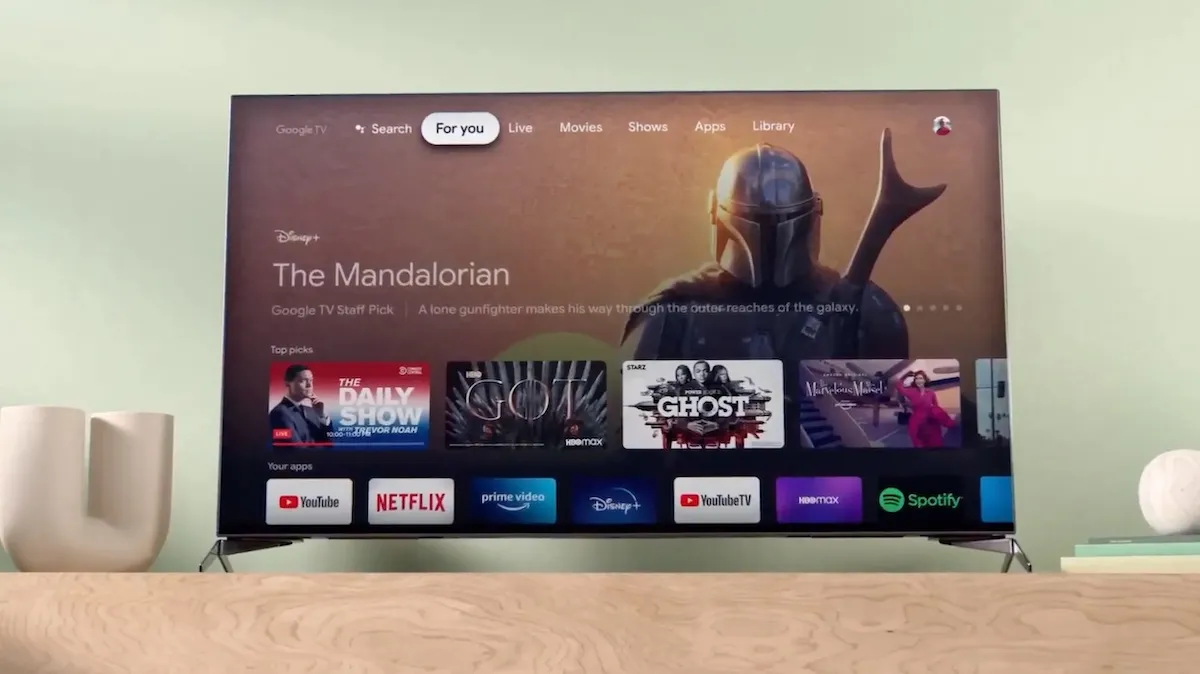
AI smart TV hacks are gaining attention as developers use coding assistants to remove ads, turn off tracking, and simplify TV interfaces. Open-source projects such as dumbtv and cleanyourtv aim to give users greater control over devices increasingly filled with sponsored content and preinstalled software.
These changes address growing frustration with smart TVs that collect viewing data and serve personalized ads. Many televisions use automatic content recognition (ACR) technology to identify what viewers watch through digital fingerprints of video or audio content. Manufacturers can use that information for advertising and audience measurement.
How AI Smart TV Hacks Remove Ads and Bloatware
One project, cleanyourtv, uses AI coding tools to turn off unnecessary apps and declutter home screens. It works over Wi-Fi with Android TV and Google TV devices, without requiring root access.
Developer Gathin T. created the tool after becoming frustrated with advertisements on his parents’ television. Using Claude Code, he turned off 25 preinstalled Xiaomi packages and built a simpler launcher that resembles Apple TV.
On his developer support page, Gathin said thousands of people tried the approach within two days. His project website provides instructions and emphasizes that users can reverse the changes.
Another project, dumbtv, was developed by Muzzammil Yasin Sabuwala. In an X announcement, he introduced an interface focused on installed apps and HDMI inputs rather than advertisements and tracking features.
Sabuwala used DeepSeek V4.1 Flash, Claude Opus 5.5 and Sonnet 5.5 during development. His project supports Fire TV and several Android-based television platforms, with compatibility varying by device.
These projects show how AI coding assistants can handle technical tasks that once required substantial programming knowledge. However, users still need to review changes and understand their devices’ limitations.
Users Report Faster TVs and Cleaner Interfaces
Other users are creating their own modifications without relying on existing projects. Developer Ryan Doyle shared his experience using Claude Code to remove advertisements and unwanted software from his television. He reported faster navigation and demonstrated a customized screensaver.
Another user, Mihir Gupta, reported turning off 25 applications and replacing a 192MB launcher with an 83MB alternative. He also added rotating wallpapers to the redesigned interface.
Such changes could reduce the advertising and viewing-data collection that help support smart TV manufacturers’ businesses. However, removing manufacturer software does not necessarily eliminate tracking by individual streaming applications.
AI TV Modifications Carry Software Risks
The experiments have produced mixed results. Some users had difficulty getting AI assistants to make the requested changes. Others found that Claude refused certain requests or required more specific instructions before proceeding.
More serious problems have also emerged. One user reported bricking an Android TV while using Claude, while another encountered problems midway through modifying a Fire TV.
Disabling essential system components can affect navigation, app compatibility or device functionality. Compatibility also varies by manufacturer and operating system, making universal instructions unreliable.
For users seeking a less invasive approach, existing Android TV launchers such as Projectivy Launcher, ATV Launcher and FLauncher offer interface customization without extensive AI-generated modifications.
The growing interest in these projects reflects consumer demand for simpler television software. AI tools may make customization more accessible, but careful testing remains essential to avoid damaging otherwise functional devices.