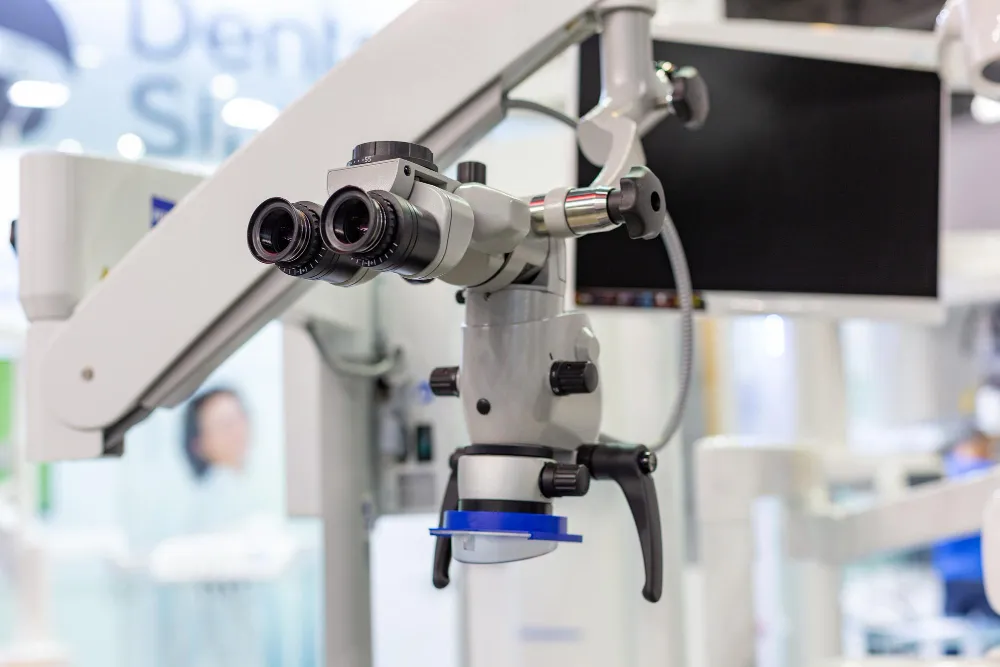
The Ottava surgical robot is set for its first U.S. commercial hospital installation at Memorial Hermann-Texas Medical Center in Houston. Johnson & Johnson announced the agreement on Nov. 19 as part of its early access commercial program.
The hospital previously evaluated the system in clinical research. The agreement therefore marks a move toward commercial use at an experienced trial site, rather than Ottava’s first use in patients.
Ottava surgical robot moves toward commercial use.
Memorial Hermann-Texas Medical Center participated in the investigational device exemption program that supported Ottava’s regulatory authorisation. Its collaboration with J&J included clinical evaluation in Roux-en-Y gastric bypass.
Erik Wilson, the hospital's director of bariatric surgery, was the lead investigator for the FORTE clinical study. He also leads minimally invasive and elective general surgery at UTHealth Houston. J&J identifies Wilson as a paid consultant in its installation announcement.
J&J plans to introduce the platform through selected U.S. customers while evaluating additional indications. The announcement names the first commercial hospital but does not specify an installation date, purchase price or first commercial procedure date.
Those details matter when tracking adoption. A commercial agreement establishes a customer relationship; completed installations and procedure volumes would show how that relationship develops into routine use.
Ottava surgical robot has FDA authorisation for 10 procedures
The system received FDA De Novo authorisation in July 2026. J&J’s authorisation announcement lists 10 general surgery procedures within its permitted scope:
- Roux-en-Y gastric bypass.
- Gastrectomy.
- Cholecystectomy, or gallbladder removal.
- Splenectomy.
- Gastric sleeve.
- Small bowel resection.
- Appendectomy.
- Lysis of adhesions.
- Fundoplication.
- Hiatal hernia repair.
The list identifies the procedures covered by that decision. It should not be read as authorisation for every abdominal operation or every surgical speciality.
J&J said in July that a separate U.S. trial was evaluating inguinal hernia procedures. Its November announcement says work on additional indications continues, without announcing an expansion of the authorised procedure list.
Four robotic arms are integrated into the table.
Ottava places four robotic arms within a standard-sized surgical table. J&J designed that arrangement to address operating room space constraints and simplify how teams position equipment around the patient.
The system supports predefined arm positions for setup and breakdown. Its synchronised table-and-arm movement, called twin motion, is intended to help teams reposition patients and access different anatomical regions.
J&J also connects Ottava with its Polyphonic digital platform for learning resources, media and surgical data. These functions describe the system’s design and intended workflow, rather than evidence that the Houston installation has improved outcomes.
For hospitals, a different equipment layout can affect where staff stand, how they reach the patient and how they prepare the room. Whether those changes improve efficiency needs assessment during actual use, alongside training requirements and clinical results. J&J says its training program includes virtual, hands-on and immersive learning for new and experienced robotic surgeons.
Hugo expansion adds competition in general surgery
The commercial announcement follows the expanded U.S. clearance for Medtronic’s Hugo robot earlier in the week. TechAmerica’s Hugo coverage explains that its indications now extend beyond urology into general surgery.
The platforms also use different physical layouts. Hugo has separate robotic arm carts, while Ottava integrates its arms into the operating table. That distinction gives hospitals different approaches to arranging equipment around a surgical procedure.
Both companies are entering a U.S. soft-tissue robotics market long led by Intuitive’s da Vinci systems. Regulatory authorisation lets a platform compete within its indications, but hospital purchasing and clinical adoption remain separate milestones.
Further installations and evidence will shape the rollout
The FDA’s broader surgical robot guidance addresses testing, clinical evidence, and labelling for marketing submissions. That policy process is separate from Ottava’s existing authorisation and J&J’s agreement with Memorial Hermann.
As MedTech Dive reported, J&J intends to continue introducing the Ottava surgical robot to selected U.S. customers. Memorial Hermann is the first named commercial installation site, with further indications still under evaluation.