Mazama Energy has developed Carbon Chill, a carbon dioxide cooling system designed to speed up geothermal drilling and improve its reliability. The company reports a 20% increase in drilling speed during testing.
The technology addresses a major obstacle in geothermal power development: extreme underground heat damages drilling equipment. Faster drilling could also reduce construction costs, which account for a substantial share of geothermal project spending.
How Mazama Energy Carbon Chill Works
Conventional geothermal drilling uses fluid to cool the drill bit and carry rock fragments to the surface. However, this method becomes less effective as underground temperatures rise.
Carbon Chill replaces conventional drilling fluid with liquid carbon dioxide. The fluid travels down the drill string and absorbs heat from surrounding rock.
As temperatures increase, the carbon dioxide can become supercritical. Before reaching the drill bit, it passes through a nozzle that allows rapid expansion and cooling.
The process removes heat from the drilling equipment and its sensitive electronics. It also helps transport rock fragments out of the borehole.
Mazama CEO Sriram Vasantharajan told TechCrunch that the system improved drilling speed by 20% compared with the company’s previous performance. The reported improvement has not been independently established across different geological conditions.
Carbon Chill Targets Superhot Geothermal Wells
Geothermal developers are exploring underground rock temperatures above 400 degrees Celsius to increase electricity production.
At sufficiently high temperatures and pressures, water becomes supercritical and can transport substantially more thermal energy. That could mean fewer wells are needed to generate the same amount of electricity.
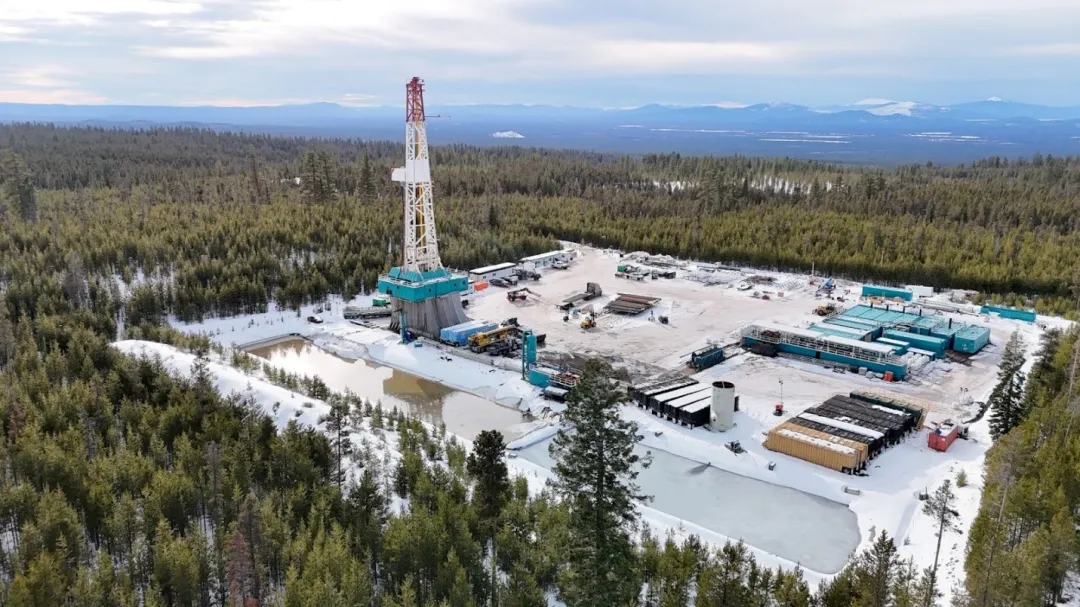
MMazama’ssuperhot rock geothermal technology targets these deeper resources. The company previously drilled a well reaching 331 degrees Celsius at its Newberry project in Oregon.
CEO Vasantharajan said a more recent well exceeded 700 degrees Celsius. Carbon Chill is intended to help drilling equipment operate under such extreme conditions.
Mazama Plans Higher-Capacity Geothermal Wells
Mazama raised $135 million in September 2026 to expand its geothermal development program. The investment supports deeper drilling and commercial power generation.
TechAmerica previously covered Mazama Energy’s $135 million funding round and its plans to develop superhot geothermal resources.
The company’s next objective is to demonstrate a geothermal well system capable of producing up to 15 megawatts of electricity.
Drilling accounts for about 25% to 30% of geothermal power plant construction costs. Faster drilling could therefore make deeper projects more economical.
Other developers are also expanding geothermal generation. TechAmerica recently reported on Fervo Energy’s growing geothermal power contracts, supported partly by demand from AI data centers.
Carbon Chill remains a developing technology. Its commercial value will depend on whether the reported drilling improvements translate into lower costs and reliable performance across future wells.