





























Connected Cars Are Sharing Driver Data With Tech Companies, Study Finds
A Northeastern University study found that connected vehicles and apps share driver data with third parties, raising consumer privacy concerns.
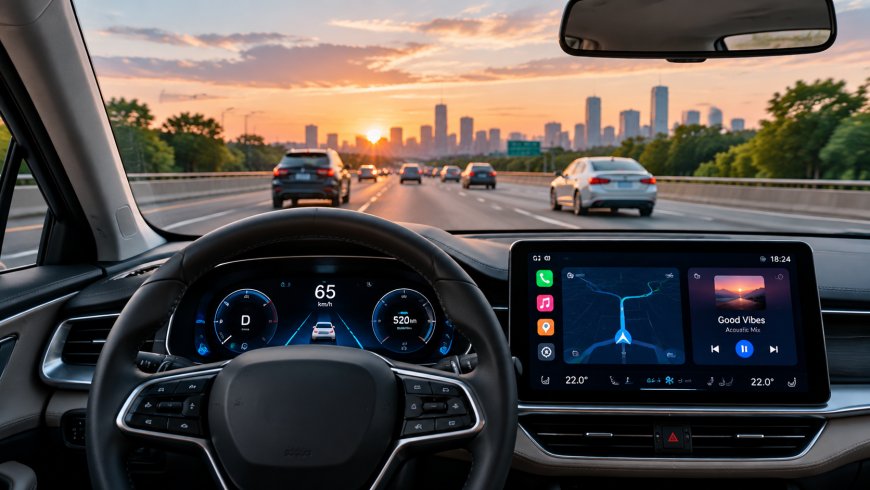
Modern vehicles equipped with connected features such as GPS, Wi-Fi, and mobile apps are collecting large amounts of information about drivers, and much of that data may be shared with third parties, according to a study from Northeastern University.
The findings add to growing concerns about vehicle data privacy, with previous investigations also examining how automakers collect and share driving information with outside companies, including insurers.
Connected Vehicle Data Creates Privacy Concerns
Researchers from Northeastern University, in partnership with Consumer Reports, tested 21 late-model vehicles from 17 automakers and reviewed 30 companion mobile apps to examine privacy risks across the connected vehicle ecosystem.
The study found that 19 of the 21 vehicles sent data traffic to at least one third-party company. Seven of the 30 mobile apps shared sensitive information, including vehicle identification numbers, email addresses, phone numbers, and precise location data, with tracking and advertising companies.
Car Apps Can Increase Data Exposure
Researchers found that connecting a companion app to a vehicle roughly doubled exposure to advertising and tracking companies. Multiple types of information were often sent to the same third parties, allowing companies to create detailed consumer profiles.
These profiles can be shared with different businesses, including insurers and financial companies, making it difficult for consumers to control how their information is used.
The research used data collected through the Northeastern University connected vehicle privacy dataset.
Automakers Respond to Data Collection Findings
The researchers shared their findings with automakers involved in the study. They said most companies shifted responsibility for data practices elsewhere, often toward consumers. At the same time, Honda responded by changing some data collection practices and instructing a vendor to delete geolocation data it had received.
Consumer Reports also found that some automakers attributed tracking activity to external webpages opened through companion apps. However, researchers noted that drivers were not always clearly informed about how their data was collected or shared.
Previous reporting has also examined how automakers use connected vehicle data, including concerns around sharing information with insurance-related businesses.
What's Your Reaction?
 Like
0
Like
0
 Dislike
0
Dislike
0
 Love
0
Love
0
 Funny
0
Funny
0
 Angry
0
Angry
0
 Sad
0
Sad
0
 Wow
0
Wow
0