GTA 6 city design is drawing attention for more than its detailed graphics. Rockstar Games has built a fictional Florida where recognizable streets, public transportation, and everyday activities make Vice City feel like a functioning place.
Emma Fraser, an assistant professor of geography at the University of California, Berkeley, believes this familiarity helps explain the game’s immersive appeal. In an interview published November 26, 2026, she examined how players experience virtual cities and why GTA VI’s world can feel surprisingly authentic.
GTA 6 City Design Makes Vice City Feel Familiar
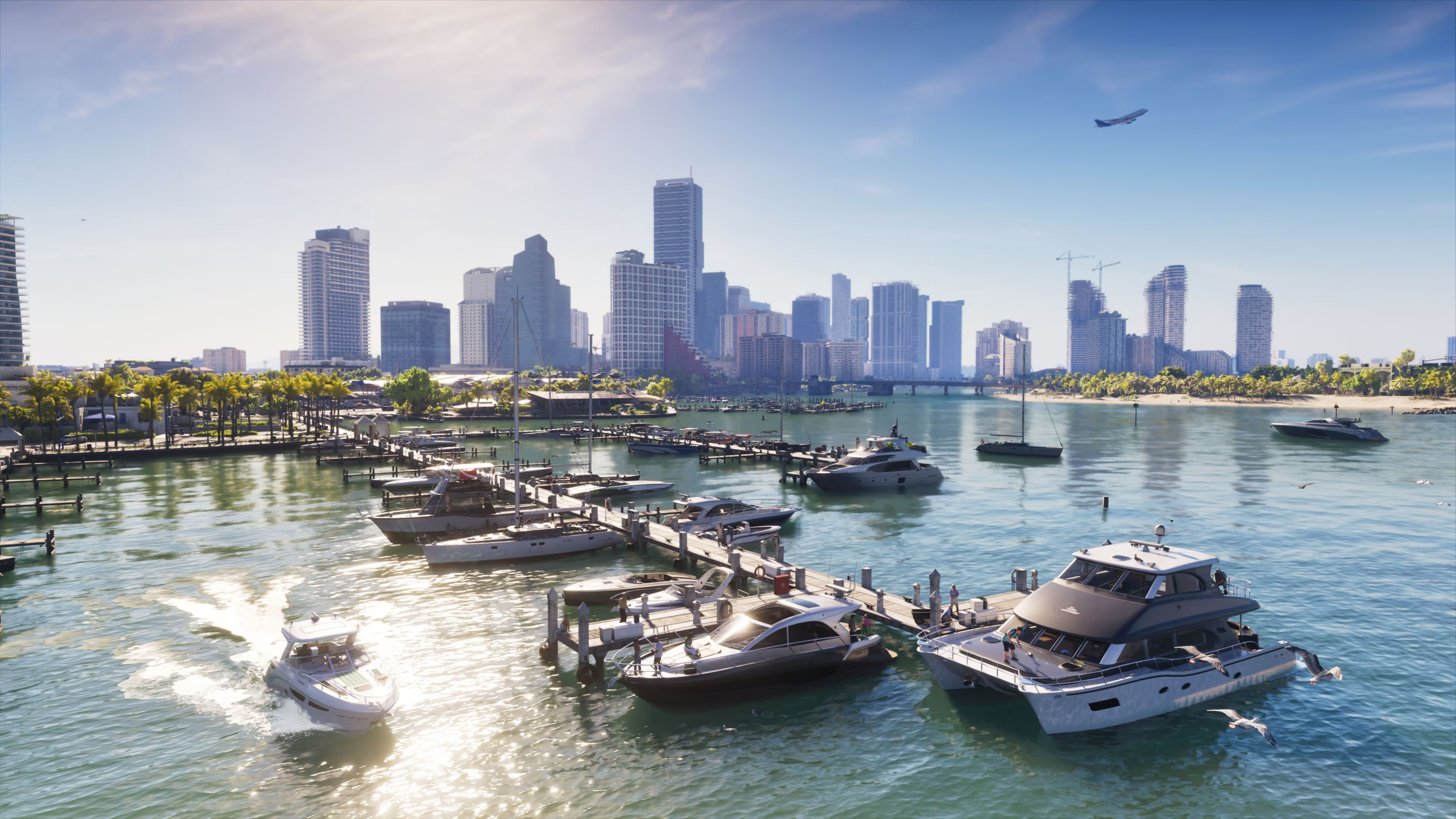
Vice City draws heavily on Miami, but Rockstar hasn’t tried to reproduce the real city street by street. Instead, the game combines recognizable urban features with fictional locations and interactive activities.
Players encounter highways, intersections, beachfront neighborhoods, buses, trains, and pedestrians. Outside the city, they can explore wetlands, coastal areas, and wildlife habitats.
Fraser argues that players recognize these environments because they already understand how cities function. They expect roads to connect neighborhoods, pedestrians to use sidewalks, and public transportation to follow established routes.
That familiarity helps players navigate the world without learning an entirely unfamiliar set of environmental rules.
Rockstar’s official GTA VI website introduces Vice City and the wider state of Leonida, including its coastal communities and contrasting landscapes.
Why Accurate Details Matter More Than an Exact Map
Fraser describes GTA VI’s approach as creating a sense of expansiveness without reconstructing every element of a real city.
The game includes recognizable architecture, coastal lighting, major roads, and familiar street arrangements. These features help establish the impression of Miami even when individual locations have been changed or compressed.
Other elements are absent or simplified. Schools and daycare centers are not prominent, and parking availability differs from what drivers would encounter in a real American city.
Fraser’s explanation suggests that convincing urban design depends on selecting the right details rather than reproducing everything.
The principle also applies beyond visible architecture. Radio broadcasts, conversations, and fictional television programs refer to people and events outside the player’s immediate surroundings.
These references make Leonida seem larger than the locations players can physically visit.
Rockstar Researched Florida Before Building Leonida
Rockstar North co-studio head Rob Nelson previously explained that the development team began by studying the setting.
Developers visited Florida to examine its landscapes and atmosphere. Their research included Miami, the Everglades, and the Florida Keys.
The goal was to identify characteristics that could give the fictional environment a recognizable regional identity.
That approach helps explain why Leonida includes contrasting environments rather than concentrating exclusively on Vice City’s urban center.
TechAmerica.ai previously examined Nelson’s design approach, including how Rockstar balanced environmental realism with gameplay and character development.
Not every realistic activity improves a game. Developers must decide which details support exploration and which add unnecessary complications.
Public Transportation Changes How Players Explore GTA VI
One of Fraser’s observations concerns the different ways players choose to travel.
GTA traditionally encourages fast driving, vehicle theft, and police pursuits. GTA VI also allows quieter forms of exploration.
Players can ride buses or trains, listen to audio content, and observe the surrounding city. These activities provide alternatives to rushing between missions.
Fraser compares such experiences to tourism. Some visitors travel quickly between attractions, while others enjoy exploring neighborhoods and observing everyday life.
The same distinction applies to virtual cities. Players may spend hours completing criminal missions or simply discovering unfamiliar streets.
These alternatives make public transportation more than a decorative feature. It changes the perspective from which players experience the environment.
Jason and Lucia Give Players Different Reasons to Explore
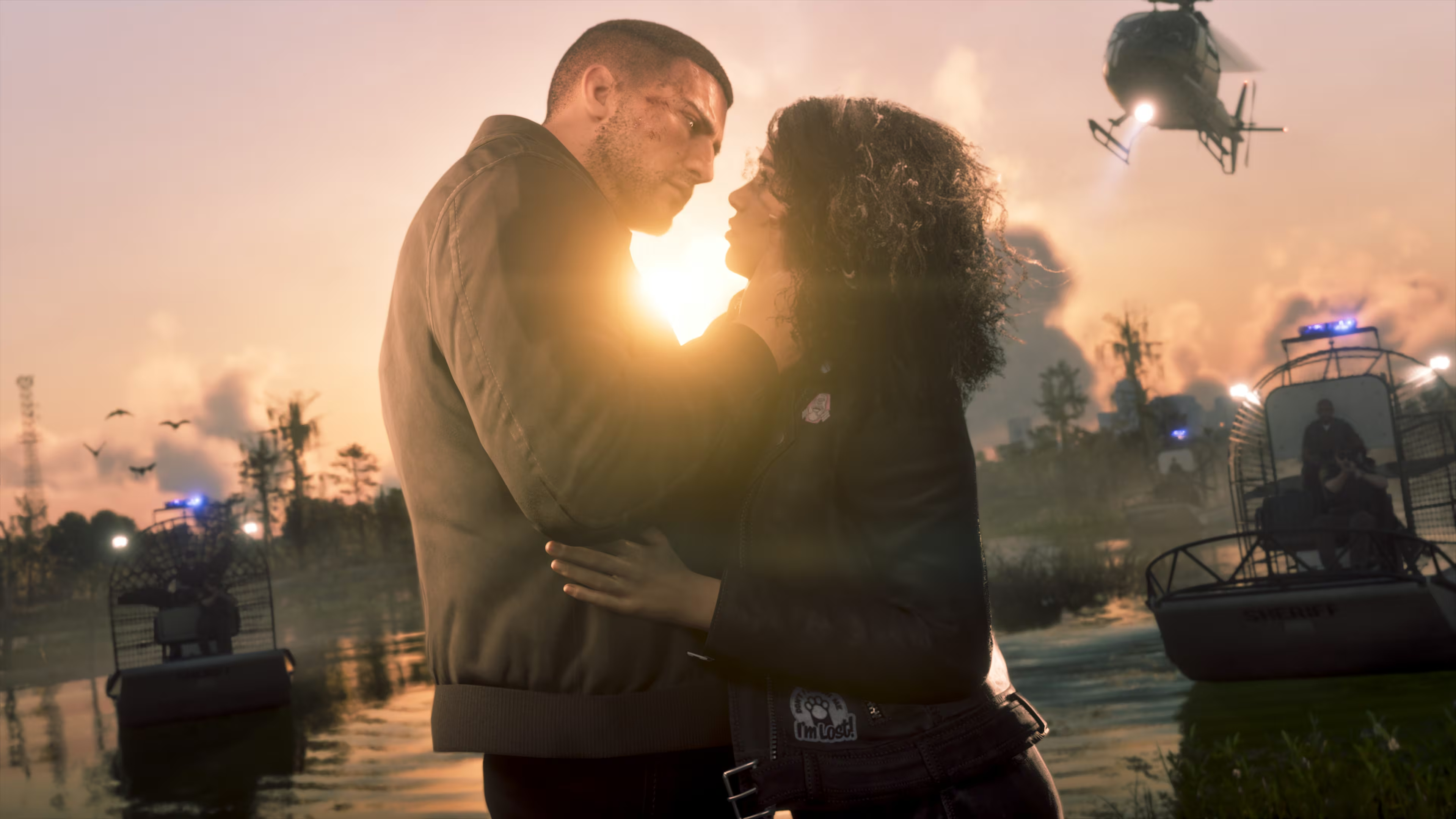
Grand Theft Auto VI’s relationship-focused story also influences how players interact with Leonida.
Protagonists Jason Duval and Lucia Caminos can participate in everyday activities together. Their relationship encourages some players to approach the city differently from earlier GTA installments.
Instead of constantly pursuing criminal encounters, players may choose to drive carefully, spend time together, or explore quieter locations.
Fraser suggests that a character’s motivations can affect how players use a virtual environment.
This adds another dimension to Rockstar’s design. Streets, businesses, and recreational spaces become settings for personal experiences rather than simply routes between missions.
TechAmerica.ai’s Grand Theft Auto VI review also examines the connections between the protagonists, environmental detail, and optional activities.
What GTA VI Reveals About Virtual Cities
Fraser’s research explores the relationship between geography, digital environments, and human experiences of place. Her work is documented in her UC Berkeley faculty profile and the university’s discussion of digital space and virtual worlds.
She hopes to study how GTA VI players apply real-world habits as they navigate its fictional city.
That question extends beyond video games. Virtual spaces can influence how people understand navigation, architecture, and social environments.
GTA VI demonstrates that convincing digital cities need more than realistic buildings. Their streets, transportation systems, residents, and everyday interactions must work together.
Vice City creates that impression because players recognize how its world operates, even when they know it is fictional.