Zelda and GTA 6 are preparing to dominate November 2026, with two major releases arriving just 14 days apart. Nintendo’s remake of The Legend of Zelda: Ocarina of Time launches November 5, followed by Rockstar Games’ Grand Theft Auto VI on November 19. Both are expected to attract enormous attention, but they arrive during a difficult period for the video game industry.
Layoffs, studio closures, rising hardware prices, and expensive development projects have reshaped the business. Nintendo and Rockstar remain unusually well-positioned to release major titles, while many other developers face growing financial uncertainty.
Why Zelda and GTA 6 Stand Apart From Other Releases
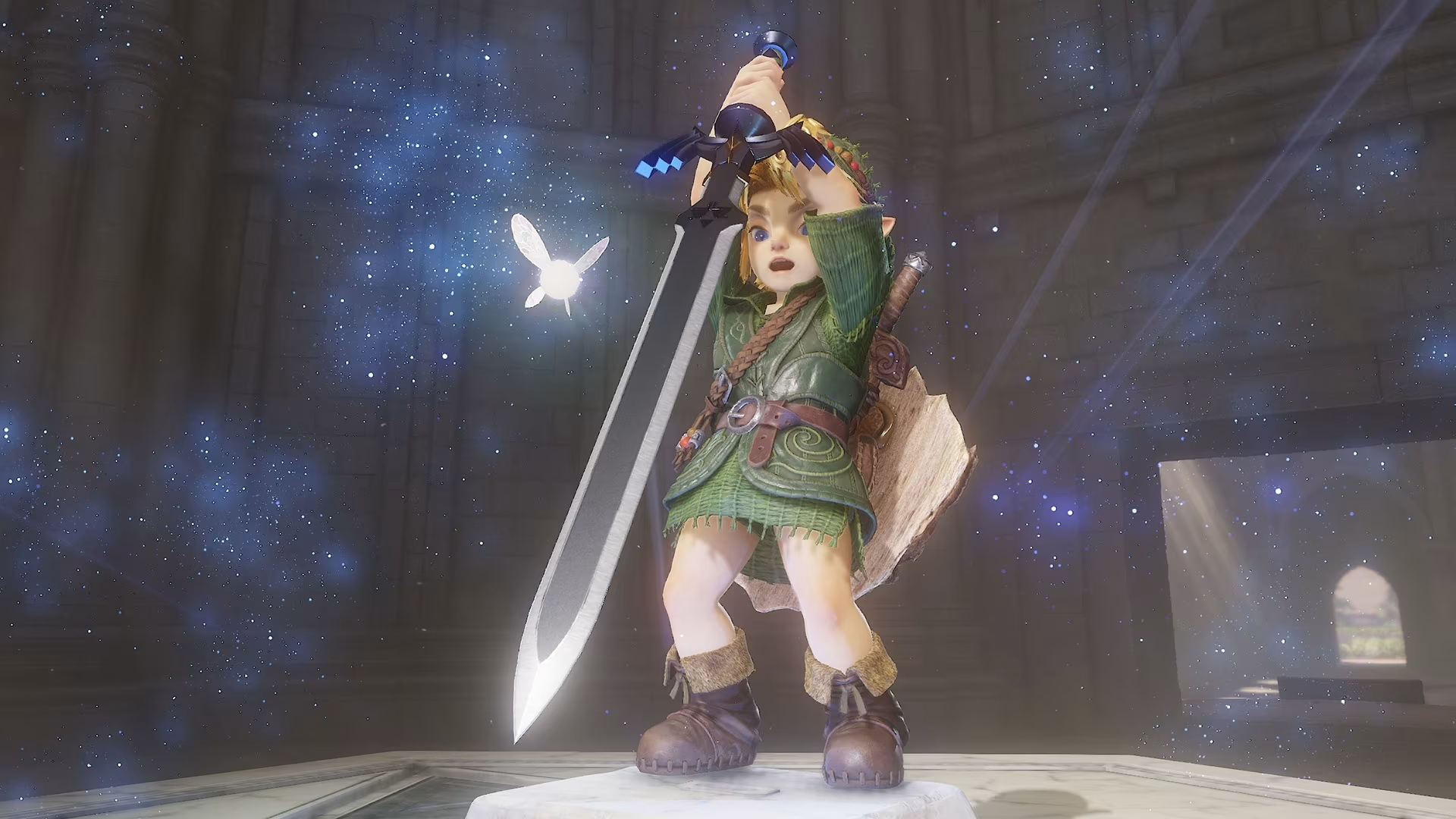
Nintendo is celebrating the 40th anniversary of The Legend of Zelda with a complete remake of Ocarina of Time. The original 1998 game helped establish many conventions of modern 3D adventures, including targeting systems, exploration, and environmental puzzles.
The Nintendo Switch 2 remake introduces rebuilt graphics, orchestral music, voice acting, and updated controls. These changes aim to make the classic adventure more accessible without abandoning its original structure.
TechAmerica.ai previously examined the Ocarina of Time remake, including its revised combat, darker dungeons, and expanded exploration features.
Grand Theft Auto VI represents a different kind of blockbuster. Rockstar has spent more than a decade preparing the follow-up to GTA V, one of the most commercially successful games ever released.
According to Rockstar’s official website, the upcoming game returns players to Vice City and the fictional state of Leonida. Its story follows Jason and Lucia, whose criminal partnership becomes entangled in a larger conspiracy.
The game launches on PlayStation 5 and Xbox Series X|S. TechAmerica.ai has also covered the latest GTA 6 trailer and the growing anticipation surrounding its release.
Both games benefit from decades of brand recognition. That established audience gives publishers an advantage newer franchises cannot easily match.
The Video Game Industry Faces Widespread Layoffs
The excitement surrounding these releases contrasts sharply with conditions across game development. Studios have continued to cut jobs, cancel projects, and reconsider their spending commitments.
The 2026 State of the Game Industry report illustrates the scale of the disruption. Of more than 2,300 surveyed industry professionals, 28% reported losing a job during the previous two years.
Among US respondents, that figure reached 33%. Two-thirds of surveyed developers working at major AAA studios said their companies had experienced layoffs.
These findings describe the survey participants, not the entire industry. Nevertheless, they show how widespread employment uncertainty has become.
Epic Games provides another example. In March, the Fortnite developer announced plans to eliminate more than 1,000 positions following a decline in player engagement.
In its official statement, Epic identified slower industry growth, weaker consumer spending, and higher operating costs as contributing pressures. CEO Tim Sweeney also said artificial intelligence replacing employees did not cause the cuts.
The disruption has affected established studios, too. Electronic Arts confirmed BioWare’s closure in October, ending development of the next Mass Effect game. The decision demonstrated that even long-running franchises do not guarantee a studio’s survival.
Big Games Are Becoming Harder to Finance
Modern blockbuster development often requires extensive teams, advanced technology, and years of production. Publishers must also invest in marketing, distribution, and ongoing support.
Those expenses increase the consequences of disappointing sales. A project can receive considerable attention without generating enough revenue to justify its total investment.
Hardware affordability creates another challenge. Sony increased PlayStation prices in April 2026, citing economic pressures. The standard PS5 reached $649.99 in the United States, while the PS5 Pro rose to $899.99.
Higher console prices can make it harder for consumers to enter a gaming ecosystem. That matters particularly when major releases depend on players purchasing newer hardware.
However, financial pressure does not mean the industry has stopped growing. The Entertainment Software Association reported approximately $60.7 billion in US consumer video game spending during 2025.
The problem is therefore more complicated than declining interest in games. Consumer spending remains substantial, but success is unevenly distributed, and development costs can undermine profitability.
Nintendo and Rockstar Operate From Different Positions
Nintendo benefits from controlling both its gaming hardware and major software franchises. A successful Zelda release can strengthen the Switch 2 platform while supporting related accessories, subscriptions, and merchandise.
The company can also revisit established titles through remakes and updated editions. This approach creates opportunities to reach new audiences without introducing entirely unfamiliar intellectual property.
Rockstar benefits from the extraordinary commercial longevity of Grand Theft Auto. GTA V has remained relevant across several console generations, supported by continuing interest in GTA Online.
That history gives Rockstar a recognizable audience before its next game reaches stores. It also allows the publisher to position GTA VI as a major entertainment event rather than an ordinary release.
Neither strategy is easily available to smaller developers. Building a globally recognized franchise takes years, significant investment, and repeated commercial success.
What the Blockbuster Divide Means for Gaming
The success of Zelda and GTA 6 could provide a welcome boost to console sales and consumer enthusiasm. However, strong launches would not automatically reverse layoffs or solve the industry’s financial problems.
Developers still face difficult decisions about project budgets, production schedules, and sustainable business models. Emerging AI tools add further uncertainty, although their effects differ across studios and professional roles.
The next phase of gaming may involve more selective investments, smaller development teams, and greater attention to established franchises. Independent studios could also benefit from more focused projects that avoid blockbuster-level expenses.
November’s two major releases demonstrate the extraordinary appeal of successful video game franchises. They also reveal how difficult it has become for other studios to achieve comparable security.
Nintendo and Rockstar are preparing for a potentially remarkable month. For the wider industry, the challenge is finding a future where creative success doesn’t depend on already owning one of gaming’s biggest franchises.