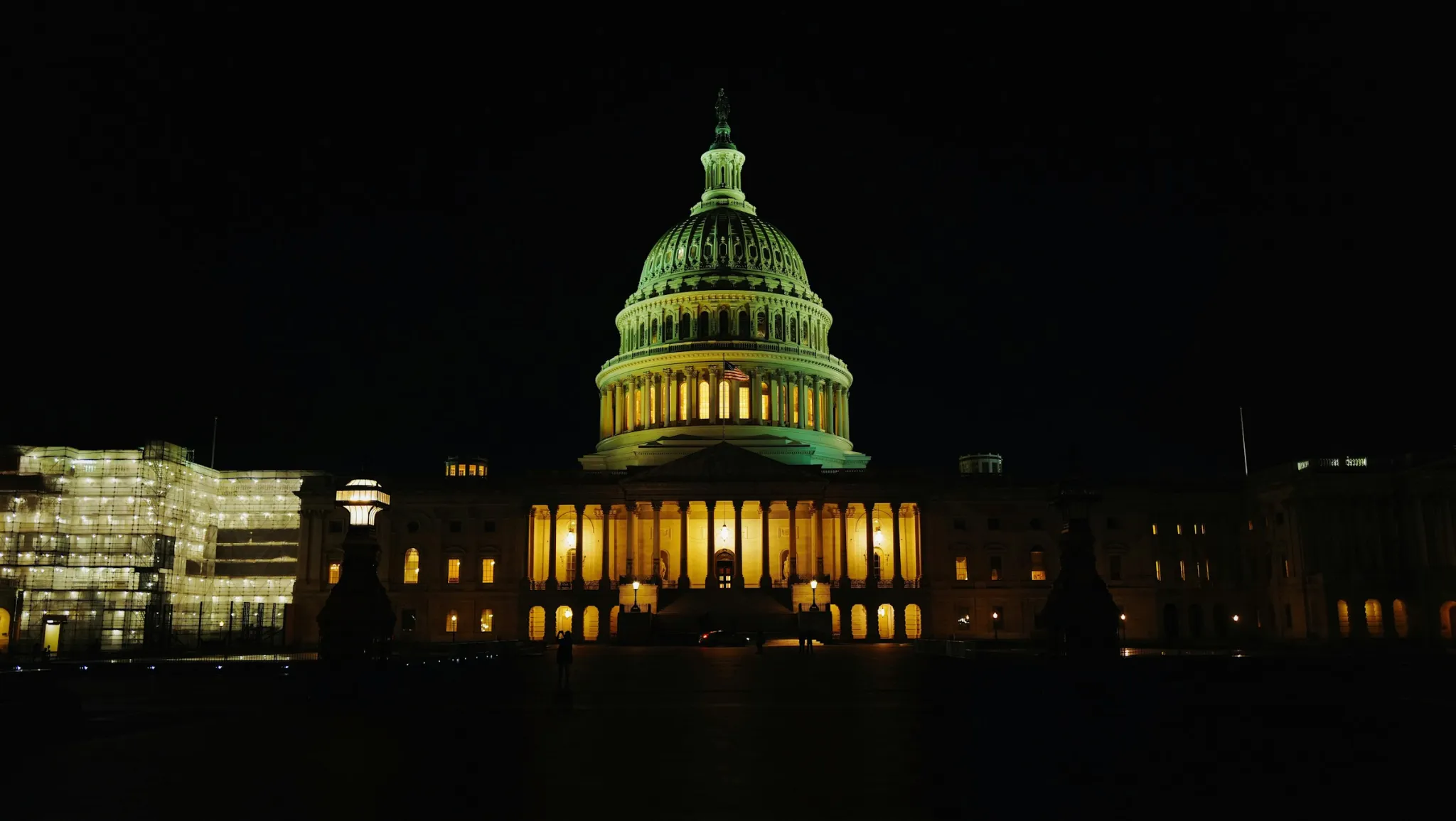
AI data center restrictions are gaining political attention after Democrats won control of Congress in the November 3, 2026, midterm elections. Voters also backed local measures limiting large computing facilities. Electricity costs, environmental concerns and community involvement have become central issues in the debate.
The results leave President Donald Trump facing a Democratic-controlled House and Senate. A Reuters analysis highlighted growing opposition to data center expansion following the elections. However, new federal restrictions would still require legislative negotiation and could face a presidential veto.
Voters Back AI Data Center Restrictions
Public concerns about artificial intelligence became increasingly visible during the elections. An NBC News exit poll found widespread opposition to building data centers near residential communities. More than half of respondents also believed AI would do more harm than good.
Broader election polling showed economic concerns remained important to voters. Data center opponents have linked large computing projects to electricity prices, environmental risks and limited public oversight.
Ohio saw particularly strong opposition. Voters approved local restrictions on large data centers, including a charter amendment prohibiting major facilities.
Democratic candidates who supported greater scrutiny also secured important victories. They included governor-elect Gina Hinojosa in Texas and governor-elect Amy Acton in Ohio. The results increased political pressure on developers, although opposition to data centers was not the only election issue.
Congress Could Consider Tougher Construction Rules
Democratic control of Congress could revive proposals addressing AI infrastructure development. Sen. Bernie Sanders and Rep. Alexandria Ocasio-Cortez introduced legislation seeking a nationwide moratorium on new data centers.
The proposal would pause construction until additional safeguards address electricity costs, environmental damage and community approval. Its prospects remain uncertain because President Trump retains veto authority.
Sen. Martin Heinrich’s GRID Savings Act offers another approach. The proposal would prevent certain electricity grid upgrade costs from being transferred to households during major infrastructure expansions.
Congressional Democrats could also examine federal environmental and energy policies. Their election victories have already prompted discussion of potential congressional investigations into the Trump administration.
Electricity Costs and Pollution Raise Concerns
AI data centers consume substantial electricity to operate processors, cooling systems and supporting equipment. Large facilities may require new transmission infrastructure and additional power generation.
These demands have raised questions about who should finance grid upgrades. TechAmerica previously examined the growing need for more efficient data center power infrastructure as demand for AI computing increases.
Environmental concerns have also intensified around xAI’s computing operations in Memphis, Tennessee. Community advocates have questioned the use of gas turbines and their potential effects on local air quality.
Supporters argue that data centers generate construction employment, tax revenue and essential computing capacity. Opponents question whether those benefits outweigh potential increases in utility bills and environmental costs.
Communities Push for Greater Transparency
Public participation has become another point of contention. In Gilroy, California, Amazon developed a major data center project under existing industrial zoning provisions. Many residents learned about the development after construction had begun.
A Wall Street Journal investigation described how the project advanced without public meetings, despite environmental review and notification procedures.
Similar concerns have increased scrutiny of development agreements, zoning rules and tax incentives. Residents are calling for earlier disclosure and meaningful opportunities to review projects affecting their communities.
Further construction moratoriums and electricity-cost protections could emerge at state and local levels. Federal legislation remains uncertain, particularly because lawmakers disagree over restrictions that could slow AI development.
The election results have strengthened calls for accountability but have not established a nationwide construction ban. The next debate will center on how governments balance AI infrastructure investment with electricity affordability, environmental standards and local decision-making.