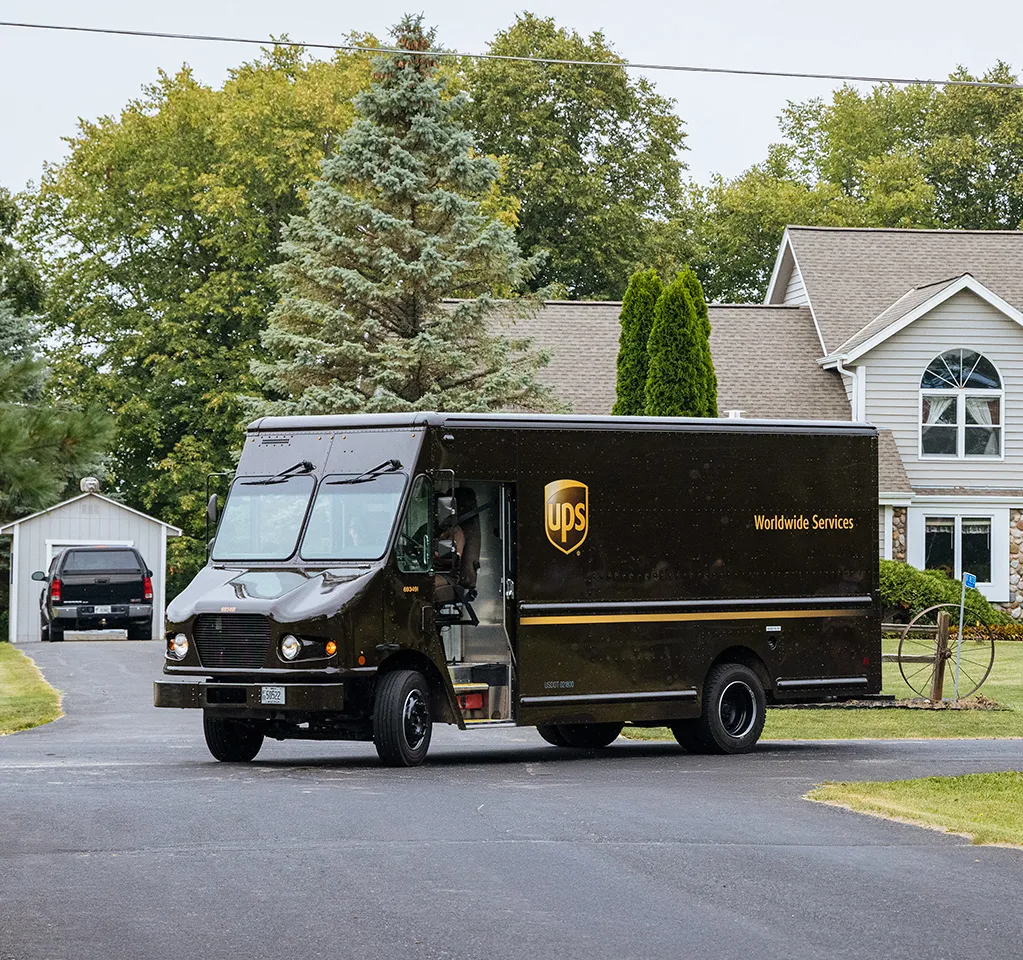
UPS layoffs in 2026 formed part of a major overhaul of the company’s U.S. delivery network after it deliberately reduced package volume from its largest customer, Amazon. In January, the shipping company outlined plans to eliminate up to 30,000 operational positions during the year. Its subsequent financial disclosures confirm workforce reductions, voluntary driver departures and substantial separation costs, but do not establish that precisely 30,000 employees were dismissed.
The distinction matters because UPS has used several methods to reduce costs: voluntary separation offers, attrition, facility consolidation, and changes to its parcel-delivery operations. Its third-quarter financial report described approximately $1.8 billion in program benefits through September 30, while restructuring-related costs were substantial. UPS’s 2026 program should also be separated from the roughly 48,000 operational positions it said it reduced in 2025.
What UPS announced at the start of 2026
In its January 27 earnings discussion, UPS said it expected to reduce up to 30,000 operational positions in 2026. Chief Financial Officer Brian Dykes described the target as part of a companywide effort to match labor and facility capacity with lower package volumes. Reuters reported the announcement following the company’s fourth-quarter results.
That statement described a planned upper limit, not a completed count. Operational positions include staff directly involved in moving, handling and delivering packages. The company indicated that voluntary departures and normal employee attrition would contribute to the reduction. It did not say every targeted position would involve an involuntary dismissal.
UPS had already announced major reductions in the prior calendar year. Its 2025 year-end earnings release disclosed approximately 48,000 operational positions reduced during 2025, including 15,000 fewer seasonal positions, alongside the closure of daily operations at 93 buildings. Those numbers belong to 2025 and cannot simply be added to a definitive 2026 layoff total.
Voluntary driver exits and the Driver Choice Program
A central 2026 initiative was UPS’s Driver Choice Program, a voluntary separation offer for full-time drivers in the United States. The offer window closed in the first quarter, and UPS confirmed final acceptances during the second and third quarters. The company documents the program in its September 2026 Form 10-Q.
UPS said it recognized approximately $1.2 billion in additional separation costs, including payroll taxes, during the first nine months and made roughly $1.1 billion in payments. These dollar amounts describe accounting expenses and payments, not the number of drivers who accepted the offer. The company did not provide a standalone count of accepted drivers in that quarterly filing.
The voluntary nature of this program is important. Workers who elected to leave through a buyout are not necessarily comparable to workers laid off without such an option. A full accounting of UPS job reductions must consider both pathways without mislabeling them.
Why UPS is shrinking its delivery network
UPS’s transformation is closely tied to its decision to reduce reliance on lower-margin packages from Amazon, its largest customer. It began the Network Reconfiguration initiative in late 2024, expanding an existing network modernization program and linking it to its Efficiency Reimagined effort.
The company has consolidated facilities, vehicles, aircraft and staffing while redesigning some workflows. In July, UPS said the planned reduction in volume from Amazon was completed in the second quarter of 2026. Lower package volume can leave a carrier with more sorting and delivery capacity than it needs, even when revenue and per-package yields improve.
This story intersects with broader shifts in logistics technology. TechAmerica.ai has separately reported on Amazon’s 2026 robotics and logistics investments and its corporate job cuts. Those are different workforce decisions by a separate company and should not be merged with UPS’s program.
What the financial filings confirm
The company’s October 27 third-quarter earnings release reported consolidated quarterly revenue of $22.9 billion. UPS said operational staffing reductions and changes to daily operations had generated approximately $1.8 billion in program benefits during the first nine months of 2026. It expected nearly $3 billion in full-year benefits from the initiatives.
UPS forecast $1.4 billion to $1.6 billion in certain full-year expenses, primarily separation costs and consulting fees, with about $1.2 billion associated with Driver Choice. By September 30, it had incurred about $1.4 billion in costs during 2026 under the relevant initiatives. These figures provide a clearer picture of the financial scale than speculation about an undisclosed final headcount.
The Form 10-Q separately listed $1.398 billion in transformation strategy costs for the first nine months, including $1.261 billion in compensation and benefits. That broader accounting presentation should not be added to the program cost figure as if the expenditures were entirely separate.
The 2026 timeline of UPS workforce changes
- January 27: UPS outlined plans to eliminate up to 30,000 operational positions in 2026.
- First quarter: The Driver Choice voluntary separation election period closed, while UPS reported early program savings.
- April: UPS’s first-quarter results described operational workforce reductions and roughly $600 million in first-quarter program savings.
- July 28: Its second-quarter report confirmed the completion of planned Amazon volume reductions and a major charge related to driver separations.
- September 30: The nine-month period ended, with cumulative program benefits of approximately $1.8 billion.
- October 27: UPS reported third-quarter revenue of $22.9 billion and updated its restructuring expense outlook.
- November 28: Reporting cutoff. The sources reviewed did not establish a final, reconciled total of people involuntarily laid off during 2026.
What the reductions mean for employees and the wider sector
The restructuring illustrates how a company can announce a large position-reduction target without that figure representing an equal number of compulsory layoffs. A workforce can shrink through voluntary exits, fewer seasonal hires, unfilled vacancies, natural turnover and formal dismissals. Those outcomes carry different consequences for employees and communities.
Facility consolidation can still cause significant disruption, including shift changes, longer commutes, and relocation decisions. For affected employees, the most reliable information on eligibility for separation packages, employment status, and benefits comes from their employer notices and applicable labor agreements. Government WARN notices can provide additional information for qualifying facility-level changes, but they do not capture every departure.
UPS said its Efficiency Reimagined initiative was expected to continue through the fourth quarter of 2027. That means the operating model will continue to evolve beyond the current reporting period. The documented 2026 developments show extensive cost reduction, but they do not justify presenting the January 30,000-position ceiling as the final number of laid-off workers.
What official filings confirm about planned reductions, voluntary exits and restructuring costs.
How many UPS jobs were targeted for cuts in 2026?
UPS said in January it expected to reduce up to 30,000 operational positions in 2026. That was a target, not a confirmed final number of workers laid off.
Did UPS actually lay off 30,000 workers in 2026?
Its official disclosures confirm workforce reductions but do not establish that exactly 30,000 employees were involuntarily laid off during 2026.
What was the UPS Driver Choice Program?
It was a voluntary separation program offered to full-time U.S. drivers. The election window closed in the first quarter of 2026.
How much did UPS spend on separation costs in 2026?
UPS reported approximately $1.2 billion in additional separation costs, including payroll taxes, during the first nine months of 2026.
Why did UPS reduce its workforce?
UPS was reconfiguring its network and reducing lower-margin volumes from its largest customer, Amazon, while seeking cost and efficiency improvements.
Were the 48,000 UPS positions cut in 2025 part of the 2026 figure?
No. The roughly 48,000 operational positions disclosed for 2025 belong to the previous year, including fewer seasonal positions.
Have another question about this story? Email the newsroom.