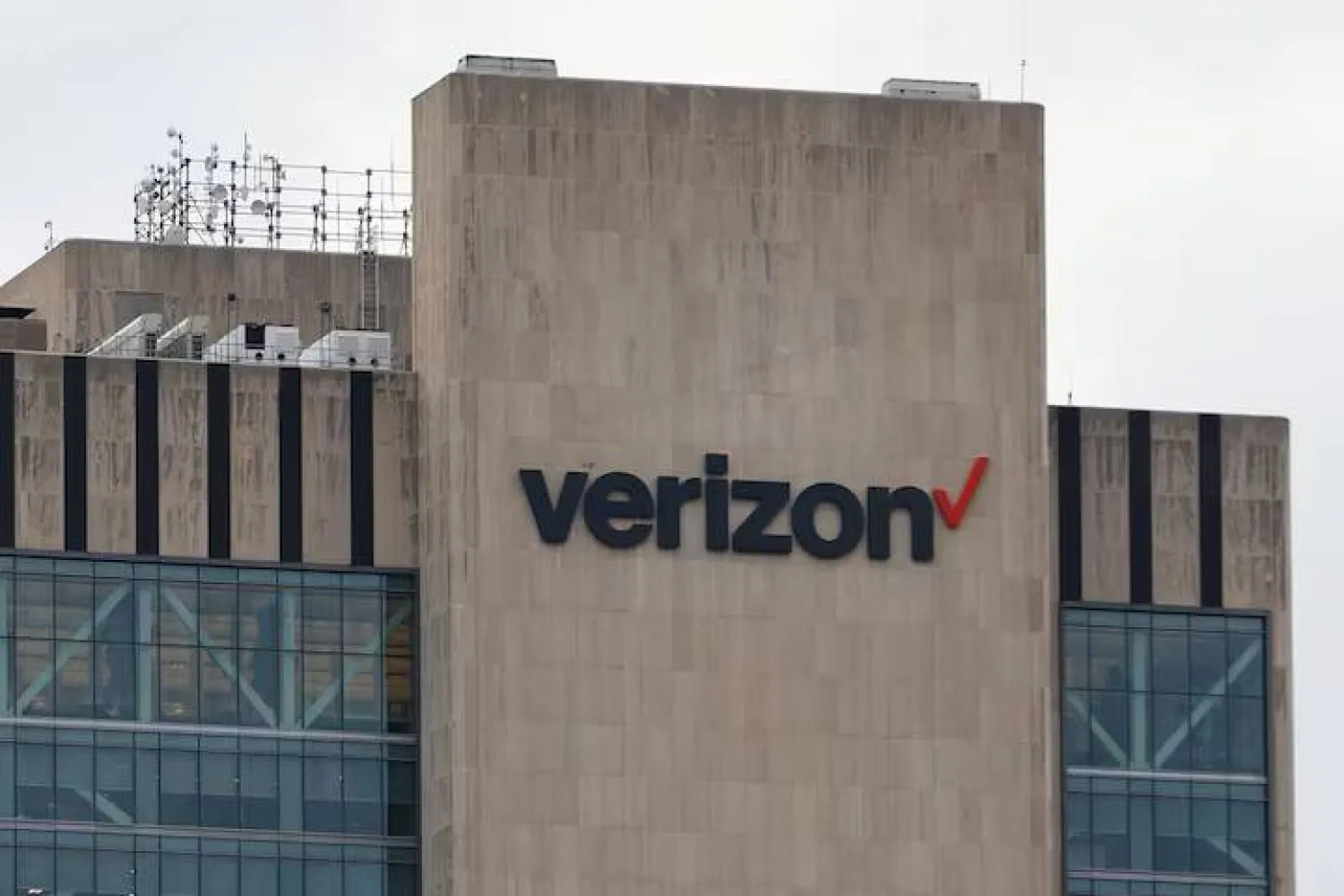
Verizon layoffs in 2026 continued after the telecommunications company announced its largest workforce reduction the previous year. This year brought additional cuts in May and July, along with a significant shift away from company-operated retail stores. The central question for workers and investors is not just how many positions were removed, but which employees lost jobs, which transferred to other operators, and how Verizon is reorganizing its business.
Reuters reported that Verizon cut several hundred jobs nationwide in May. In July, the company said it would eliminate about 500 corporate positions while transferring 274 company-owned retail stores to outside operators. That transaction affected about 3,000 retail and corporate employees, but that number does not equal a confirmed layoff total. Some store workers could potentially continue working under franchise owners.
What Verizon announced in 2026
The year began with Verizon still implementing a restructuring announced in November 2025. In that earlier announcement, the carrier identified more than 13,000 positions for elimination. The distinction matters: those were reductions announced in 2025, even when subsequent employment consequences extended into 2026.
On May 7, Reuters reported that Verizon was eliminating a few hundred additional positions nationwide. The report did not establish a precise figure or a breakdown by state, division, or occupation. Describing those cuts as exactly 300 or 500 would go beyond the public evidence reviewed.
On July 16, the company announced the sale of 274 company-run stores, alongside approximately 500 corporate job cuts. The retail transactions were due to take effect August 16. Verizon expected to operate around 1,000 company-owned stores afterward, while continuing to work through its wider franchise network.
How many workers were affected by store sales
The July transaction affected approximately 3,000 people across retail and corporate functions, according to Reuters. That figure represents an employment transition and restructuring impact, not necessarily 3,000 lost jobs. Store ownership changes can lead to transfers, new employment offers, departures, or redundancies, depending on circumstances.
Verizon said that in previous store sales, roughly 70% of employees at the transferred sites had accepted jobs with their new operators. That historical experience does not guarantee the same outcome for the 2026 group. Without a verified final count of employees retained or dismissed, no definitive layoff number can be assigned to the retail transfer.
It would also be misleading to add 3,000 affected workers to the 500 corporate reductions as though both were separations. The 500 figure falls within the broader July restructuring account, and the retail figure measures a different outcome.
What SEC filings reveal about the costs
Verizon’s second-quarter SEC filing reported a remaining severance liability of $959 million as of June 30, reflecting obligations connected in part to employees separated under workforce reduction initiatives. The company also discussed additional charges associated with ongoing headcount reductions.
Its September 30 quarterly filing described lower personnel costs in the business segment associated with workforce reduction initiatives. It reported a $134 million reduction in those costs in the third quarter and $428 million in the first nine months, compared with the corresponding 2025 periods.
These are accounting figures, not counts of people leaving. Severance liabilities can reflect payments scheduled for later periods, while personnel-cost changes depend on compensation, staffing mix and timing. Neither measure supports a single worldwide tally of Verizon layoffs in 2026.
Why Verizon is shifting its operating model
Verizon faces competition from AT&T, T-Mobile and other providers for wireless and home internet subscribers. Pricing, equipment subsidies, customer retention and network investment all place pressure on operating expenses. Management has framed its transformation as an effort to simplify operations, reduce costs and sharpen customer service.
Moving stores into a franchise model changes the company’s direct employment footprint while leaving much of its retail distribution in place. Franchise operators may hire employees directly, but their employment terms and staffing decisions are separate from Verizon’s. The company also remains a major network operator with extensive technical, customer support and enterprise operations.
Automation and AI are components of the telecom sector’s cost-efficiency debate. Verizon has discussed technology improvements and platform simplification, but the documents reviewed do not establish that AI directly replaced a specified number of Verizon workers in 2026.
Timeline of the workforce changes
- January–April: Verizon continued implementing broader efficiency initiatives; the reviewed records do not support a separate nationwide layoff total for each month.
- May 7: Reuters reported several hundred job cuts nationwide.
- June: Verizon disclosed material severance-related obligations in its quarterly reporting.
- July 16: Verizon announced around 500 corporate cuts and a plan to sell 274 company-owned retail locations.
- August 16: The announced effective date for the store-transfer transaction.
- October: Third-quarter results and SEC disclosures described continuing savings from workforce reduction initiatives.
- November 28: This report’s cutoff. The sources reviewed did not identify a verified, reconciled 2026 worldwide separation total.
What the numbers mean for workers
Anyone evaluating a Verizon layoff report should separate three categories: confirmed job eliminations, employees affected by a business transfer, and changes in reported staffing or payroll expenses. These figures can overlap, and treating them as additive risks exaggerating job losses.
Workers facing separation should consult their official employer communications for effective dates, severance terms and benefit information. State WARN systems can also provide notice details for qualifying employment actions, although they do not cover every layoff or every employee. Employees moving to a new retail operator should verify whether the move includes continuous employment, unchanged benefits or a new contract.
The available evidence establishes continued job reductions and a major retail restructuring in 2026. It does not establish a reliable combined global number of Verizon employees involuntarily laid off during the calendar year. The distinction will remain important as the company provides additional regulatory filings and workforce disclosures.
The figures distinguish layoffs from employees affected by store ownership transfers.
How many people did Verizon lay off in 2026?
Verizon reportedly cut several hundred jobs in May and announced about 500 corporate cuts in July. The reviewed sources do not establish a single confirmed worldwide total for 2026.
Were 3,000 Verizon employees laid off in July 2026?
No. Roughly 3,000 employees were affected by store transfers and corporate changes. That figure does not reflect confirmed job losses.
How many Verizon stores were sold in 2026?
Verizon announced the transfer of 274 company-owned retail locations in July, with August 16 given as the effective date.
Did Verizon announce its 13,000 job cuts in 2026?
No. Verizon announced the more-than-13,000-position reduction in November 2025, although its consequences extended into 2026.
Did AI cause Verizon layoffs in 2026?
The available company disclosures do not assign a specific number of eliminated jobs to artificial intelligence.
Where can Verizon employees check layoff notices?
Employees should consult official Verizon communications and applicable state labor-department WARN notice systems for specific locations and effective dates.
Have another question about this story? Email the newsroom.