






























Meta Launches Muse AI Agent as It Bets on Consumer Trust
Meta introduced Muse, a personal AI agent that connects with apps and services to help users complete everyday tasks.
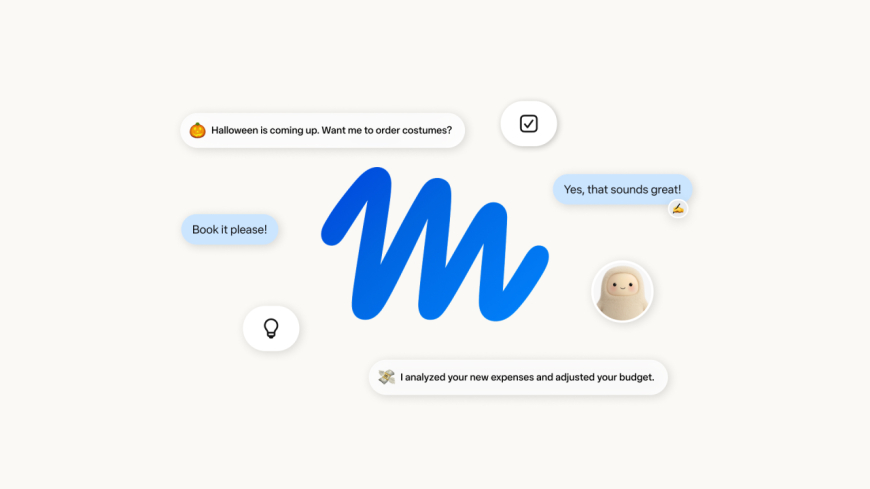
Meta has launched Muse, a personal AI agent designed to connect with the apps and services people use every day and complete tasks for them. The company is making the agent available to U.S. users as it expands its push into consumer AI.
Meta’s Muse can connect with services including email, calendars, payments, shopping, dining, music, events, health and fitness apps, and smart-home services. Users choose which services to connect individually, while additional services can be connected through an API or browser access when supported.
Muse Is Designed to Take Actions
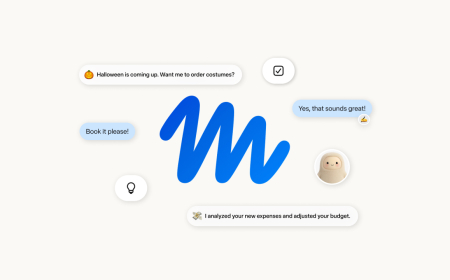
Unlike conventional chatbots that primarily answer questions, Muse is designed to carry out tasks. Meta says it can send emails, book travel, lower bills, complete forms, create plans, prepare grocery lists from recipe videos, send invitations and make purchases.
For purchases, Muse uses Link by Stripe, which provides purchase protections. Meta says it also plans integrations with Shopify’s Shop Pay and 1Password.
Muse Spark powers the agent and is initially available on the web at Muse.ai, as well as on iOS, Android, and WhatsApp. Meta also plans to bring it to its AI glasses.
Free Tier and Paid Plans
Muse will be free to use, with paid subscriptions available for people who need additional usage. Meta says users will see a usage meter and receive a warning when their free allocation runs out.
The Power plan costs $20 per month, while the Maximum plan costs $100 per month. A payment card is required when setting up the service because users can move to a paid plan as their usage increases.
Security Measures for an AI Agent
Because Muse can interact with personal services, Meta has built the system around a dedicated computing environment called Muse Secure VM. Meta says the environment includes separate security protections designed to limit what the agent can access.
Meta says a separate Sentinel agent operates on the same virtual machine but remains isolated from Muse at the system level. The company also says Muse cannot see users’ passwords or payment information and that it does not share conversations and data with its advertising systems.
Meta has published additional security documentation for Muse explaining its approach to protecting users and their data. The company has also provided further technical details about Muse’s security and safety architecture.
Muse is entering a broader market for consumer AI agents. Other companies are also developing systems designed to perform tasks rather than respond to prompts, including Google’s Gemini Spark.
Meta’s Privacy Record Could Shape Adoption
Muse arrives with Meta asking consumers to grant an AI system access to a much wider range of personal services. That creates a different trust challenge from traditional social media because the agent is designed to act inside users’ everyday digital workflows.
Meta’s privacy history could therefore influence how consumers respond. In 2011, the Federal Trade Commission settled charges with Facebook over alleged deception involving users’ privacy settings. In 2019, the FTC announced a $5 billion settlement with Facebook over privacy violations.
In 2023, the FTC also proposed additional restrictions involving Facebook’s handling and monetisation of young users’ data.
Meta has also disclosed that some Facebook users’ passwords were stored in readable formats. The company described its response to that security issue after discovering the passwords.
The company’s history also includes the Cambridge Analytica data scandal, in which a third party obtained data associated with millions of Facebook users without their consent.
Trust Remains a Central Test for Muse
Meta is attempting to address those concerns through technical controls and by giving users more control over which services Muse can access. The company also lets users personalise the agent with a name, avatar, and communication settings.
Meta has faced further scrutiny over the safety of its social platforms. New Mexico’s attorney general said a court ordered Meta to pay $942 million and overhaul protections for children, while other litigation involving alleged social media harms remains ongoing.
Additional litigation has focused on alleged harms associated with social media use. Against that background, Muse’s success will depend not only on whether the agent can perform useful tasks, but also on whether users are comfortable giving it access to increasingly sensitive parts of their digital lives.
What's Your Reaction?
 Like
0
Like
0
 Dislike
0
Dislike
0
 Love
0
Love
0
 Funny
0
Funny
0
 Angry
0
Angry
0
 Sad
0
Sad
0
 Wow
0
Wow
0