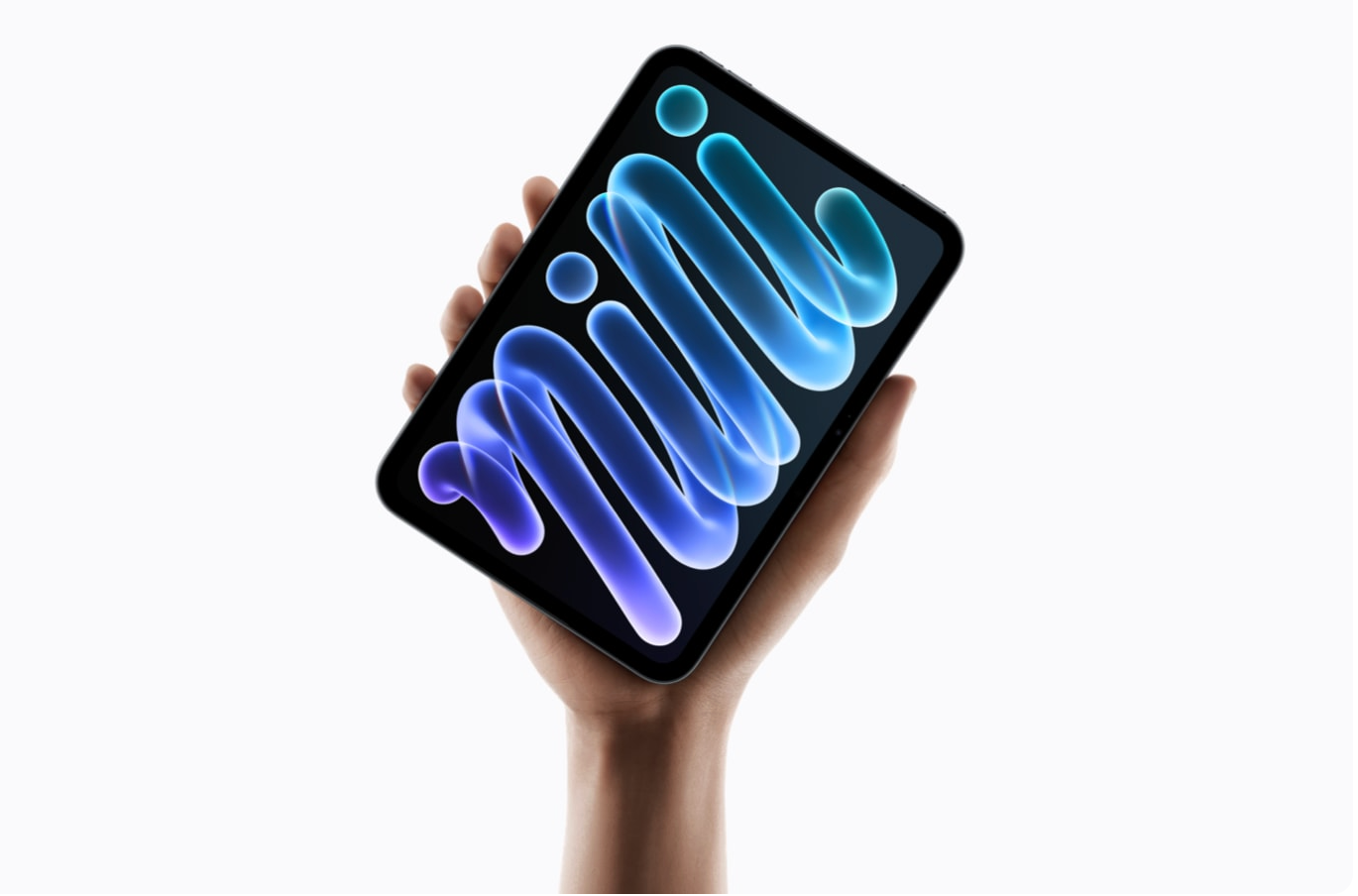
The 2026 iPad mini review comes down to a familiar trade-off: portability versus price. Apple’s smallest tablet now has an 8.5-inch OLED display, a faster A20 Pro chip and improved durability. It is also thinner and lighter than its predecessor. However, the $699 starting price makes the buying decision considerably harder.
The eighth-generation iPad mini offers meaningful improvements for readers, travelers, students and creative professionals. Its new screen is the biggest attraction, but Apple still limits the refresh rate to 60Hz. Buyers also miss out on Face ID, despite paying more than the starting price of an iPad Air.
OLED Gives the iPad mini a Much-Needed Display Upgrade
Apple has replaced the previous 8.3-inch LCD with an 8.5-inch Super Retina XDR OLED display. The new panel offers a resolution of 2316 × 1512 pixels and a 2,000,000:1 contrast ratio.
According to Apple’s official specifications, the display reaches 600 nits of full-screen brightness and 1,200 nits of peak HDR brightness. Individual pixel illumination allows deeper blacks and more precise contrast than a conventional LCD.
The practical benefits extend beyond watching movies. Dark backgrounds appear richer, photographs gain contrast, and text remains sharp. The screen also supports Apple’s P3 wide color gamut and True Tone technology.
Independent reviews support the improvement. TechRadar’s hands-on assessment praised the OLED display’s visual quality and the tablet’s lightweight construction. However, its reviewer also highlighted the lack of ProMotion.
The iPad mini still uses a 60Hz refresh rate. Scrolling and Apple Pencil movements therefore lack the fluidity available on Apple’s 120Hz iPad Pro displays. This limitation is disappointing at the new price.
Apple also offers optional nano-texture display glass for reducing reflections. It costs an additional $100 and requires at least the 256GB configuration. Buyers should weigh the glare reduction against the additional expense.
Thinner Design and IP67 Protection Improve Portability
The redesigned iPad mini measures just 5.4mm thick and weighs 255 grams in its Wi-Fi configuration. The cellular version weighs 263 grams. Both are lighter than the previous generation.
Apple reduced the display bezels by 24%, creating room for a larger screen without increasing the tablet’s overall footprint. The device remains suitable for one-handed reading and portable note-taking.
Another important improvement is IP67-rated dust and water resistance. Apple’s launch announcement confirms protection against dust and temporary immersion under specified laboratory conditions.
The rating covers freshwater immersion to a depth of one meter for up to 30 minutes. It does not make the tablet permanently waterproof. Resistance can also diminish through normal wear.
Apple has redesigned the speakers using its Acoustic Display technology. The system integrates tweeters and woofers within the tablet’s sealed construction. Independent reviewers report improvements in clarity, although the small chassis still limits audio output.
The front camera now sits along the landscape edge. Its 12MP Center Stage system offers a more natural angle during video calls. Touch ID remains integrated into the power button, while Face ID is no longer available.
A20 Pro Delivers Faster Performance With a Configuration Catch
Apple’s A20 Pro processor replaces the A17 Pro found in the previous iPad mini. The newer chip supports hardware-accelerated ray tracing and improved AI processing.
However, processor configurations vary by storage capacity. Models with 128GB or 256GB include a five-core CPU and seven-core GPU. The 512GB version adds a sixth CPU core and an enhanced Neural Engine configuration.
This distinction matters because buyers do not receive identical processing hardware across the lineup. Nevertheless, the entry-level configuration should handle common tablet tasks comfortably.
In its independent review, Macworld reported strong performance improvements alongside the more compact design. Those findings support the hardware’s appeal, although benchmark results alone cannot predict every workload.
The tablet runs iPadOS 27 and supports Apple Intelligence and Siri AI. Its processing capabilities also suit drawing, photo editing, gaming and multitasking.
Apple’s N1 wireless chip improves connectivity. The device supports Wi-Fi 7, Bluetooth 6 and Thread. Cellular models also use Apple’s C2 modem for mobile connectivity.
TechAmerica.ai’s earlier iPad mini launch coverage examined the A20 Pro upgrade and Apple’s expanded AI features.
Battery Life, Charging and Apple Pencil Support
Apple rates the new iPad mini for up to 10 hours of web browsing or video playback over Wi-Fi. That estimate matches the previous generation despite the faster processor and OLED display.
Independent battery results vary with testing conditions. TechRadar reported endurance close to Apple’s estimate, suggesting it’s adequate for typical daily use.
Fast charging is a welcome addition. Apple says the battery can reach approximately 50% in 30 minutes with a compatible 35W or higher USB-C adapter. The included 20W adapter does not provide the same advertised charging speed.
Apple Pencil Pro and Apple Pencil USB-C remain supported. This makes the tablet useful for handwritten notes, sketches and document annotation. However, you must buy both accessories separately.
The compact display benefits portable tasks but provides limited workspace for complex creative applications. Artists frequently using multiple panels or large canvases may prefer a larger iPad.
2026 iPad mini Price: Is It Better Value Than the iPad Air?
The new iPad mini starts at $699 for the 128GB Wi-Fi model. The Wi-Fi and Cellular configuration starts at $849. Storage options extend to 256GB and 512GB.
Preorders opened October 28, 2026, with general availability scheduled for November 6. The tablet comes in Midnight and Starlight finishes.
The price creates an unusual comparison within Apple’s lineup. The 11-inch iPad Air with M4 starts at $599, according to Apple’s pricing announcement. That makes the larger tablet $100 cheaper at its starting price.
The iPad Air provides more screen space and supports a compatible Magic Keyboard. It is better suited to extended typing, document editing and multitasking—the iPad mini counters with OLED image quality and a much smaller body.
TTechAmerica.ai’sreview of major iPad generations explores how Apple’s tablet designs have evolved. Display technology, accessories and portability have consistently shaped the differences between models.
Existing iPad mini owners face a separate decision. The OLED display and thinner construction are meaningful improvements, especially for older models. However, owners of the A17 Pro generation may find its existing performance sufficient.
2026 iPad mini Pros and Cons
Pros:
- Sharper OLED display with deeper blacks and improved contrast.
- Thinner, lighter construction with excellent portability.
- Faster A20 Pro processor and improved wireless connectivity.
- IP67 dust and water resistance.
- Fast charging and continued Apple Pencil support.
Cons:
- High $699 starting price.
- 60Hz display without ProMotion.
- No Face ID authentication.
- Nano-texture display requires an expensive configuration upgrade.
- Smaller workspace than the less expensive 11-inch iPad Air.
Final Verdict: The Best iPad mini, but Not the Best Value
The 2026 iPad mini is a substantial improvement over its predecessor. OLED technology, faster performance and water resistance strengthen its appeal. Its lightweight construction remains the defining advantage.
However, Apple has priced the tablet for buyers who specifically want a compact device. The missing 120Hz display and Face ID make that premium harder to justify.
For frequent travelers, readers and Apple Pencil users, the new mini offers an appealing combination of portability and capability. Buyers prioritizing productivity, screen size or value should consider the M4 iPad Air instead.
The 2026 iPad mini is an impressive small tablet, but its strongest selling point remains its size. Whether that advantage is worth $699 depends on how much portability matters to the buyer.