The Fitbit Edge brings back the simplicity of traditional fitness bands with a larger AMOLED display, built-in GPS, and expanded health tracking. Google’s $179.99 wearable is comfortable, lightweight, and rated for up to seven days of battery life. However, limited smartwatch features and subscription-based AI coaching make its value less straightforward.
The tracker sits between the $99 Fitbit Air and Google’s more advanced Pixel Watch lineup. It offers detailed fitness information without the complexity of a full smartwatch. Independent reviews praise its design and battery endurance, although GPS accuracy and software usability have produced mixed results.
Fitbit Edge Design and Display
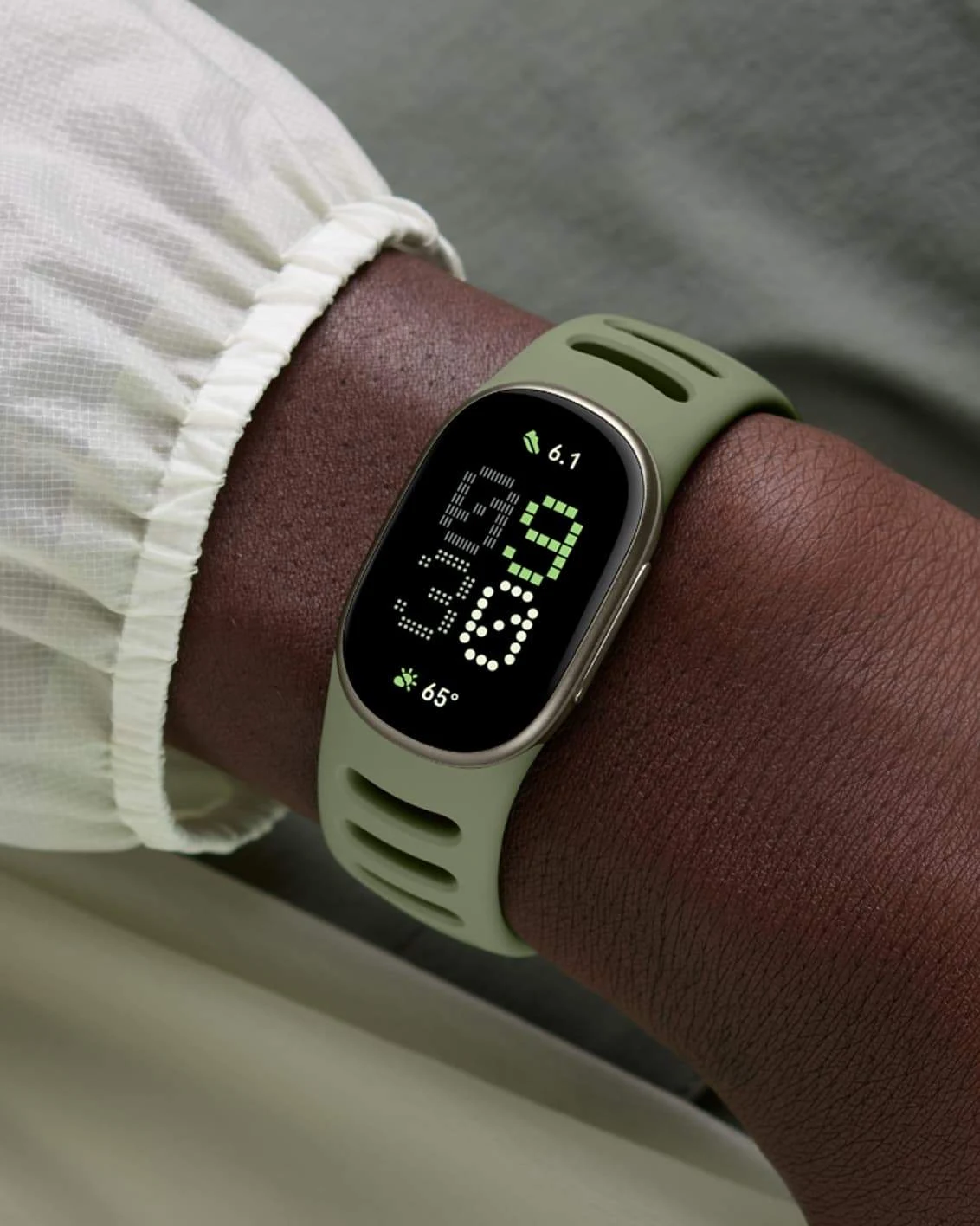
The Fitbit Edge features a rounded aluminum housing and interchangeable silicone straps. Its compact design makes it suitable for workouts, daily activities, and sleep. A physical side button provides an alternative to touchscreen navigation.
Google’s official specifications say the tracker weighs 17.7 grams without its band. Its 1.34-inch AMOLED display supports adjustable brightness and an always-on mode.
The larger screen makes health statistics, notifications, and workout information easier to read than on earlier Fitbit bands. However, the bezels around the screen remain noticeable with certain watch faces.
Tom’s Guide praised the comfortable design and responsive display in independent testing. The reviewer also highlighted the improved visibility and convenient physical controls.
The Edge carries IP68 and 5 ATM water-resistance ratings. These protect against everyday moisture and support suitable water activities under the manufacturer’s specified conditions.
Fitbit Edge Fitness Tracking and GPS Performance
Fitness monitoring remains the Edge’s main strength. It tracks heart rate, steps, sleep, activity intensity, and recovery-related measurements. Built-in GPS lets you record outdoor activities without carrying a connected phone.
The tracker includes an altimeter for elevation changes. Its sensors also support blood oxygen monitoring, skin temperature trends, and ECG functionality where available.
Google has expanded automatic workout recognition. The device can identify different activities and record exercise sessions even when users forget to start tracking manually.
However, GPS accuracy is not consistently convincing across independent reviews. Android Authority’s testing found disappointing GPS results, even as it praised the display, comfort, and battery life. Tom’s Guide reported a more favorable experience with location and elevation tracking.
These differences suggest users who depend on precise running routes and pace measurements should use caution. Automatic workout recognition is convenient, but it does not replace carefully recorded exercise data.
Battery Life Is Strong, With One Important Limitation
Google advertises up to seven days of battery life with typical use. That is considerably longer than most full-featured smartwatches, which often require more frequent charging.
Independent tests support the general claim. Tom’s Guide reported approximately eight days of use during its battery assessment, including regular GPS workouts.
However, the always-on display changes the picture. Google’s battery guidance estimates up to two days with that feature enabled. Continuous GPS use can further reduce endurance.
The tracker supports fast charging, with Google claiming approximately one day of use from a five-minute charge when the battery is low. A full charge takes around 90 minutes.
Google has also introduced a replaceable battery design. This could improve the product’s long-term usefulness, although repair costs and replacement availability remain important considerations.
Google Health and AI Coaching
The Fitbit Edge works with Google’s redesigned Health app. It brings activity statistics, sleep information, recovery measurements, and wellness trends into one interface.
Google Health Coach uses Gemini AI to develop personalized exercise plans and provide recommendations based on user goals. The system can adjust suggestions as routines and activity patterns change.
TechAmerica.ai previously covered Google’s AI-powered health coach and its subscription model. Google Health Premium costs $9.99 per month or $99 per year, with three months included with the Edge.
Basic tracking remains available without a paid membership. However, personalized AI coaching and certain advanced insights require the subscription.
The app’s complexity may frustrate some users. In 9to5Google’s review, reported problems included unreliable notifications and difficult interface navigation. The publication also found the AI coach useful for developing exercise routines.
Google’s planned Health Guardian features include trends related to blood pressure and insulin resistance. These are wellness indicators, not substitutes for clinical measurements or medical diagnosis. Their usefulness also requires longer-term evaluation.
Smartwatch Features Remain Limited
The Edge includes smartphone notifications, alarms, timers, media controls, and selected Google Maps functionality. It works with compatible Android phones and iPhones.
However, users cannot answer calls directly from the tracker. It has no microphone or speaker, and it doesn’t support contactless payments.
These omissions distinguish the Edge from Google’s Pixel Watch devices. Buyers expecting extensive applications, communication features, or wrist-based payments may find the experience restrictive.
Fitbit Edge Pricing and Alternatives
The Fitbit Edge costs $179.99 in the United States, with general availability scheduled for October 27, 2026. Google also offers alternative bands and a higher-priced Stephen Curry Special Edition.
The most obvious alternative is the Fitbit Air. TechAmerica.ai previously examined the screen-free Fitbit Air, which prioritizes unobtrusive health monitoring.
At $99 in the United States, the Air is considerably cheaper. However, it lacks the Edge’s display, onboard GPS, and immediate access to workout statistics.
The Fitbit Charge 6 remains another comparison, especially for buyers who want Google Wallet payments. Meanwhile, a Pixel Watch provides more extensive smartwatch capabilities at a higher price.
Final Verdict
The Fitbit Edge succeeds as a comfortable fitness tracker with a useful screen and strong battery endurance. Its expanded sensors, automatic exercise recognition, and built-in GPS make it more capable than basic fitness bands.
However, the $179.99 price is difficult to ignore. Independent reviews have produced mixed results on GPS accuracy, while limited notifications and missing contactless payments weaken its appeal. Premium AI features also require an ongoing subscription.
The Fitbit Edge suits users who want detailed health and activity tracking without wearing a full smartwatch. Buyers seeking a cheaper, less distracting experience should consider the Fitbit Air. A Pixel Watch may better serve those who need advanced apps and communication features.