France-Iran refrigerator cyberattacks have prompted French officials to accuse Iran’s Islamic Revolutionary Guard Corps of sabotaging commercial refrigeration systems. The October attacks affected about 700 sites, causing food losses and at least 15 fires.
French Foreign Minister Jean-Noël Barrot announced the attribution on Nov. 9. France summoned Iran’s ambassador and warned that additional European Union sanctions could follow.
The accusations followed an investigation Reuters detailed. Iranian officials have previously denied involvement in malicious cyber operations. Iran’s United Nations mission did not respond to Reuters’ requests for comment.
France Iran Refrigerator Cyberattacks Hit 700 Sites
The attacks began Oct. 11, when hackers manipulated temperature controls at commercial refrigeration facilities across France. Supermarkets were the main targets, although butcher shops, food-processing factories and a slaughterhouse were also affected.
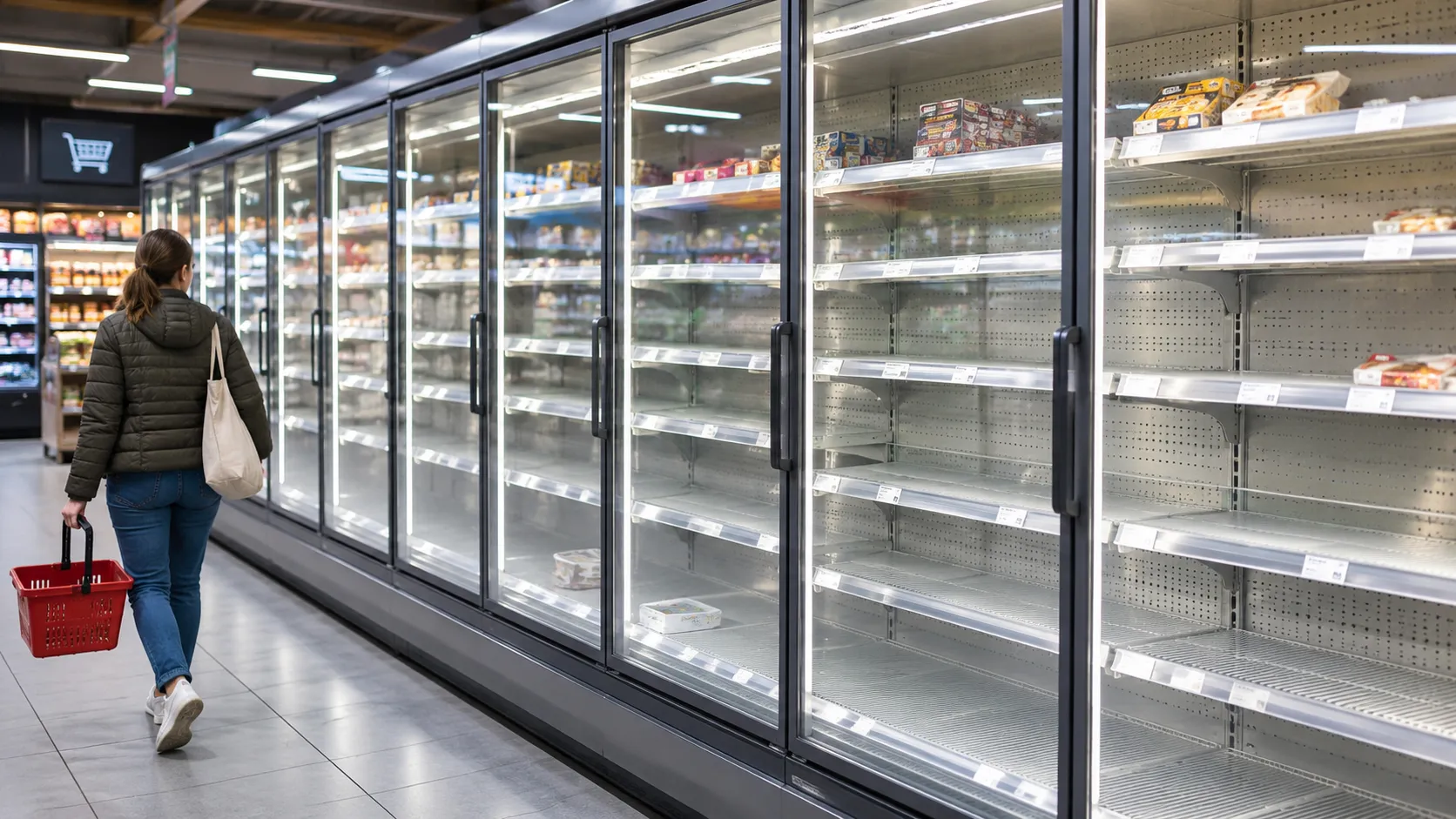
Some refrigeration units became dangerously hot and caught fire. Others stopped preserving food at safe temperatures, forcing businesses to discard spoiled meat, dairy products and frozen goods.
French investigators reported at least 15 fires across the affected locations. One supermarket owner estimated that nationwide losses could reach tens of millions of euros.
France’s intelligence and cybersecurity agencies attributed the campaign to Shahid Kaveh, which they identified as a cyber unit of the Iranian Revolutionary Guard. Their findings linked the attacks to previously observed infrastructure, intrusion patterns and traces of Farsi-language material.
Investigators also identified three alleged associates: Hamid Reza Lashgarian, Mahdi Lashgarian and Reza Salarvand. French prosecutors have requested international arrest warrants targeting those responsible.
The French report connected the operation to groups operating under names including CyberAveng3rs and Cyber Isnaad Front.
French Blood Banks Report Refrigeration Attacks
A separate wave of refrigeration-related cyber incidents affected more than 100 establishments across Europe in early November. French blood storage facilities were among the affected locations.
France’s national blood service, Établissement français du sang (EFS), confirmed a security incident involving an external refrigeration equipment provider.
In its official incident statement, EFS addressed unauthorized interference with equipment used to maintain blood storage temperatures.
The organization reported that temperature and defrost settings were altered at three facilities. Monitoring systems detected the changes, allowing employees to move affected blood products into secure storage.
EFS said no blood products were lost and no health consequences were identified. Authorities have not established whether the blood bank incident and the October supermarket attacks involved the same perpetrators.
TechAmerica previously covered refrigeration cyberattacks affecting European supermarkets, including incidents in Belgium, Ireland, Luxembourg and Sweden.
Similar Freezer Failures Investigated at U.S. Military Bases
Investigators are also examining possible connections to refrigeration failures at American military facilities.
In August, freezers malfunctioned at approximately six U.S. military commissaries. The failures disrupted food storage at grocery stores serving military personnel and their families.
An independent investigation published by Signal and Silence documented unusual refrigeration failures at multiple installations. Subsequent reporting confirmed several disruptions.
According to NextGov’s October investigation, U.S. officials suspect Iranian involvement. However, the Pentagon has not publicly attributed the incidents to Iran.
The Defense Department said it was aware of speculation concerning possible cyber activity but declined further comment for security reasons.
French and American investigators have exchanged information about the incidents. No definitive connection between the U.S. military freezer failures and the French attacks has been publicly established.
Outdated Refrigeration Controllers Expose Security Risks
Commercial refrigeration systems frequently use internet-connected controllers for remote temperature monitoring and equipment management. Unauthorized access can allow attackers to alter operating settings without physically entering a facility.
Some affected systems reportedly used outdated firmware or equipment that no longer received security updates. These weaknesses can make remote interference easier when controllers are exposed to external networks.
TechAmerica previously reported on U.S. cybersecurity warnings concerning refrigeration equipment. Federal agencies urged operators to secure remote connections, update supported software and monitor industrial control systems.
The French attribution adds a new dimension to those warnings. Investigators now identify an Iranian state-linked unit as responsible for the October attacks, while the U.S. military incidents remain under investigation.
France has not announced specific sanctions in response. Its authorities are pursuing international arrest warrants as investigators continue examining the wider refrigeration sabotage campaign.