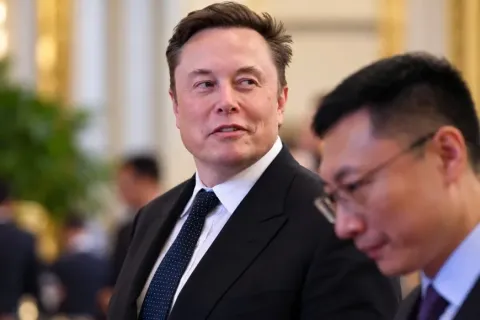
SpaceX cell phone dead zones could become less common under a new plan outlined by CEO Elon Musk. The company has completed the design of a compact rooftop cell tower that could improve mobile coverage inside buildings.
Speaking at the DealBook Summit in November 2026, Musk said the equipment could enter production in 2027. SpaceX plans to combine the miniature towers with its next-generation Starlink Direct-to-Cell satellite network.
SpaceX cell phone dead zones plan includes rooftop towers
Starlink satellites can connect directly to compatible smartphones, but their signals may struggle to penetrate buildings. Metal roofs and thick construction materials can weaken or block satellite connections.
SpaceX’s proposed solution involves installing small cellular base stations on rooftops, potentially alongside existing Starlink terminals.
The towers would provide ground-based connectivity where satellite signals are unreliable. This would create a hybrid network using both terrestrial equipment and satellites.
SpaceX President Gwynne Shotwell previously described the strategy during an August earnings call. As Ars Technica reported, the company intends to deploy smaller, low-power base stations rather than conventional large cell towers.
Starlink Direct-to-Cell V2 targets higher bandwidth
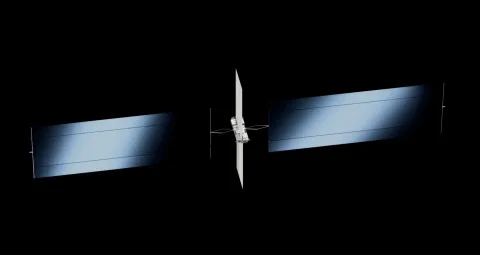
Musk also outlined plans to launch SpaceX’s second-generation Direct-to-Cell satellites in 2027. He claimed the upgraded constellation could provide 40 times more bandwidth than the existing system.
The expanded network would rely partly on wireless spectrum acquired through SpaceX’s agreements with EchoStar.
TechAmerica.ai previously reported on SpaceX’s potential expansion into the U.S. wireless market, including discussions involving Boost Mobile.
Unlike conventional satellite broadband, direct-to-phone services must operate within the power and antenna limitations of ordinary smartphones. TechAmerica.ai explains these technical differences in its guide to low Earth orbit satellite internet.
SpaceX aims to compete with traditional mobile networks
The hybrid network could eventually compete with AT&T, Verizon and T-Mobile. However, established carriers have extensive infrastructure and substantially more licensed wireless spectrum.
Musk suggested that growing demand from AI systems and robots could increase the need for mobile bandwidth.
SpaceX has not demonstrated nationwide coverage from its proposed rooftop towers. Deployment costs, regulatory requirements and actual network performance remain uncertain.
The planned 2027 production schedule also remains a target rather than a confirmed commercial launch date.