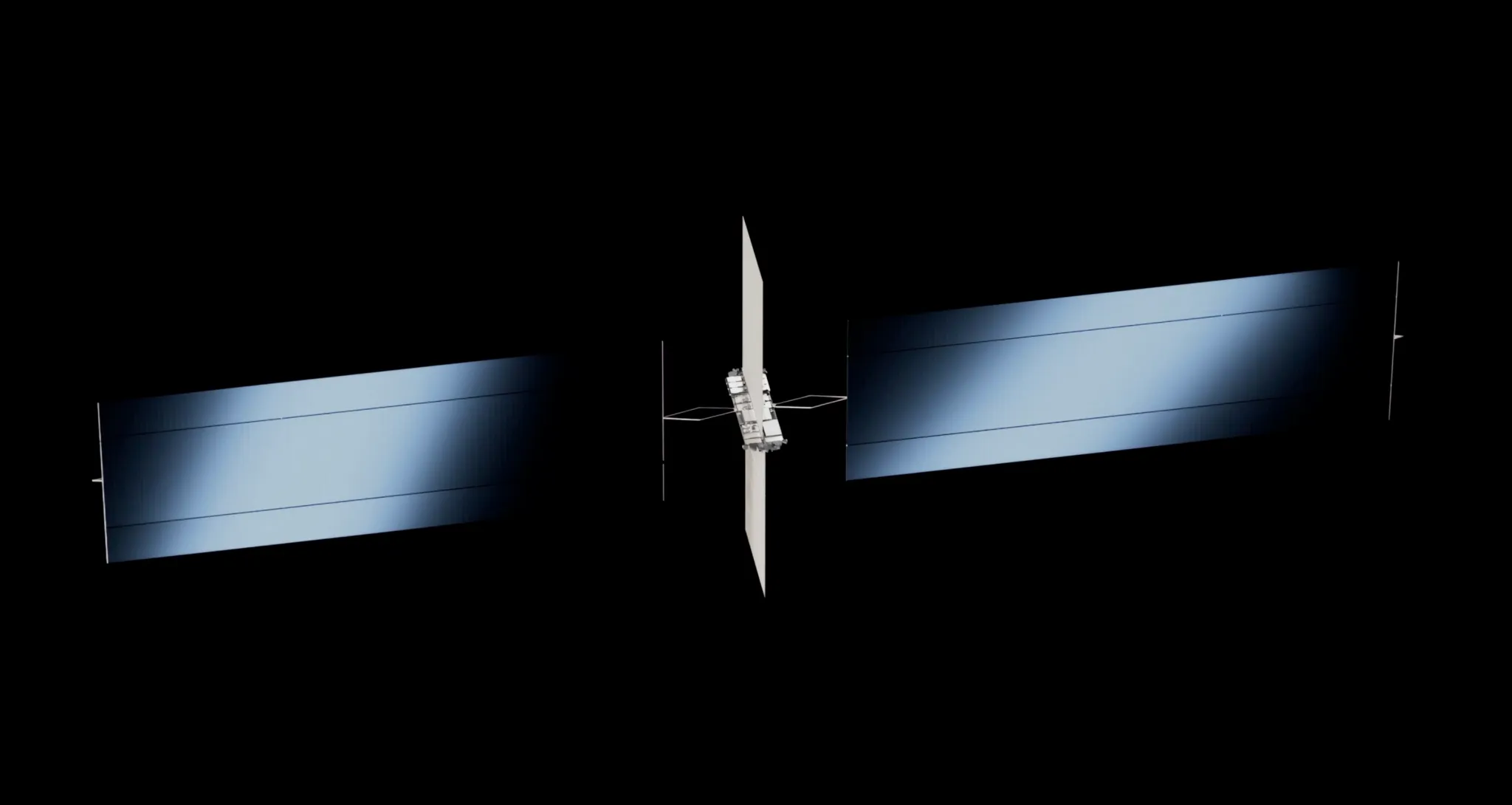
Space data center financing faces a new challenge as lenders reportedly seek to prevent SpaceX from sending financed AI chips into orbit. The concern centers on whether banks could recover valuable computing equipment if a borrower defaults.
SpaceX is pursuing orbital computing infrastructure alongside its terrestrial data center expansion. However, financing equipment that cannot easily return to Earth creates risks that conventional data center loans rarely face.
Space data center financing raises collateral concerns
According to a Financial Times report, lenders involved in SpaceX’s $40 billion chip financing agreement requested restrictions on orbital deployment.
The lenders reportedly want the financed processors to remain on Earth. It remains unclear whether SpaceX accepted that condition.
Traditional data center loans often use GPUs as collateral. If a borrower defaults, lenders can recover the hardware and sell it to other operators.
That arrangement becomes difficult in space. Processors installed aboard satellites cannot be repossessed through ordinary recovery procedures.
AI chips retain value in secondary markets
High-performance GPUs can retain substantial resale value even after several years of operation.
According to the Compute Credit Index Research hardware market data, Nvidia H100 processors continue to trade in secondary markets. Their resale value helps lenders assess the financial risks of GPU-backed loans.
However, hardware deployed in orbit would be difficult to recover, inspect or resell. Lenders would therefore face greater uncertainty about their collateral’s value.
TechAmerica.ai previously examined SpaceX’s orbital data center challenges, including hardware lifespans, maintenance limitations and satellite disposal.
Orbital computing plans face financial and technical hurdles
SpaceX is not alone in exploring space-based AI infrastructure. Google and other companies are investigating whether powerful processors can operate reliably aboard satellites.
TechAmerica.ai reported on Google’s Project Suncatcher orbital computing experiment, which examines the feasibility of processing AI workloads in space.
Despite growing interest, orbital data centers face several obstacles. Launch costs, radiation exposure, cooling requirements and limited maintenance options complicate deployment.
Financing now adds another challenge. Even if chips can operate successfully in orbit, lenders must determine how to protect their investment.
For SpaceX, the immediate financing restrictions remain unconfirmed. The broader question is whether conventional asset-backed lending can support large-scale computing infrastructure beyond Earth.